.jpg)


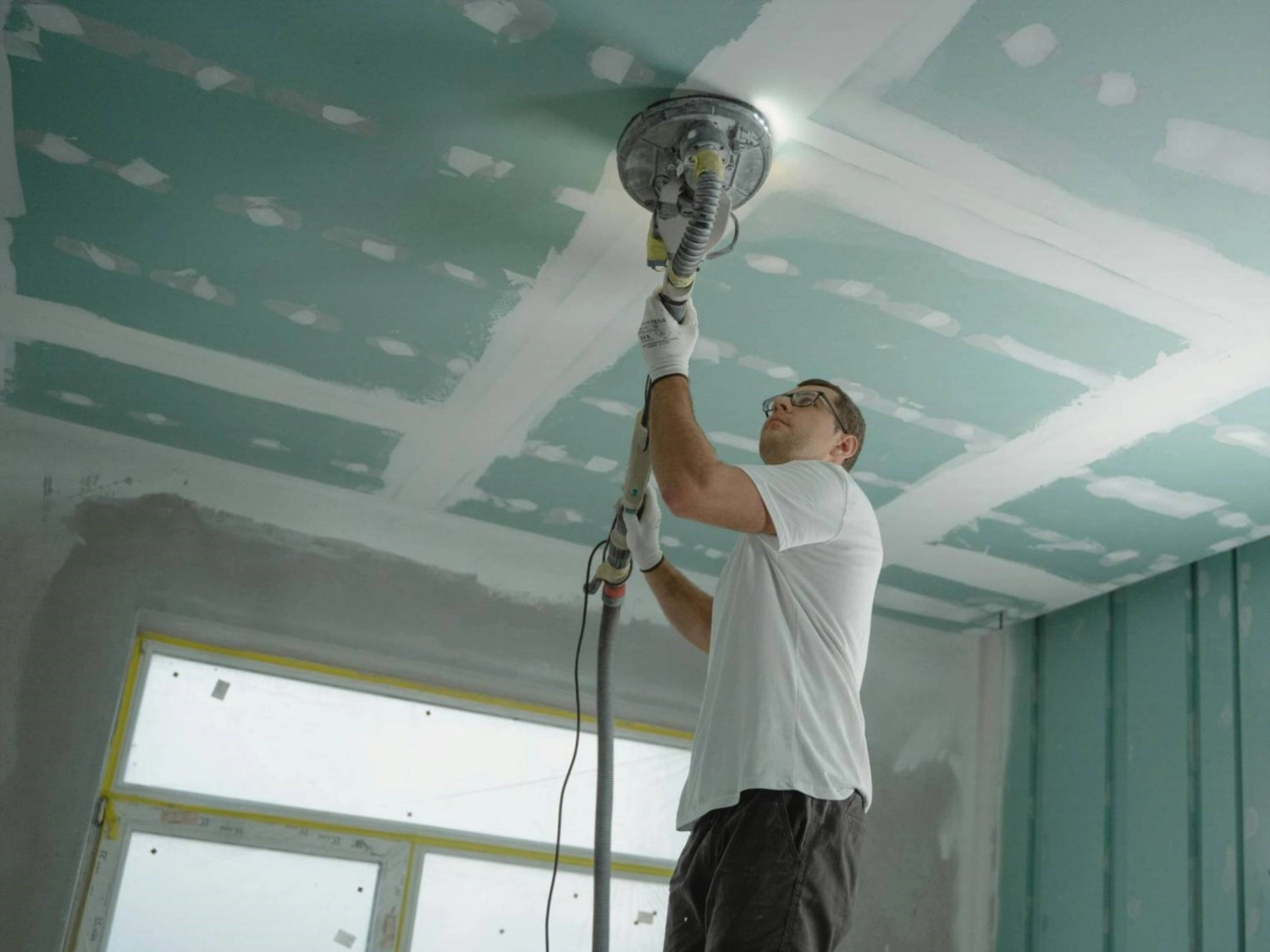
Purchasing second-hand equipment can be a cost-effective solution for businesses and individuals. However, ensuring this equipment is safe, functional, and worth the investment requires a thorough inspection.
Properly inspecting second-hand equipment involves several key steps and considerations, from initial visual checks to detailed functional tests. This guide provides a comprehensive overview of how to inspect second-hand equipment properly.
Initial Visual Inspection
Check for Visible Damage
The first step in inspecting second hand equipment Australia is to perform a visual check for any obvious signs of damage. Look for cracks, dents, rust, and other physical deformities. Pay special attention to structural components, as damage in these areas can compromise the equipment's integrity and safety.
Examine Wear and Tear
All used equipment will have some wear and tear, but excessive wear can be a red flag. Inspect moving parts for signs of excessive use, such as worn-out bearings, gears, and belts. Check for uneven wear patterns, which can indicate underlying issues with alignment or balance.
Inspect Electrical Components
Scrutinize these parts for equipment that includes electrical components, such as motors or control panels. Look for frayed wires, burnt connections, or any signs of previous overheating. Make sure there are no rust or loose connections on any electrical equipment.
Need help choosing the right second-hand equipment?
Let us help you. Call or Text Kenna Real Estate Group at 303-955-4220 to get personalized assistance from our expert real estate agents. Find out what your home is worth in today's market.
Functional Testing
Power Up the Equipment
Power up the equipment if possible to ensure it turns on and operates as expected. Listen for unusual noises, such as grinding or squeaking, which could indicate internal problems. Observe the equipment in operation to check for smooth functionality.
Test All Features
Thoroughly test all equipment features and functions. This includes running through all operational modes, adjusting settings, and using attachments or accessories. Ensure that all controls are responsive and that the equipment performs as intended.
Check for Fluid Leaks
Inspect machinery that uses fluids, such as hydraulic systems, engines, or refrigeration units, for leaks. Check seals, hoses, and connections for signs of fluid escape. Leaks can indicate worn-out components or poor maintenance.
Review Maintenance Records
Ask for Documentation
Request maintenance records from the seller. Well-maintained equipment typically has detailed service logs indicating regular maintenance and repairs. Review these records to understand the equipment's maintenance history and identify recurring issues.
Verify Compliance with Standards
Ensure the equipment meets industry standards and regulations. Look for compliance certificates, safety inspection stickers, and other documentation that verifies the equipment has been maintained according to required standards.
Assess Overall Condition
Evaluate Age and Usage
Consider the equipment's age and how intensively it has been used. Older equipment or equipment with heavy use may have a shorter lifespan. Weigh the age and usage against the asking price to determine if it is a good investment.
Check for Upgrades and Modifications
Determine if the equipment has been upgraded or modified. Upgrades can enhance performance and extend the lifespan of the equipment, but poorly executed modifications can compromise safety and functionality. Ensure any changes are professionally done and documented.
Safety Inspection
Conduct a Safety Test
Perform a safety test to ensure all safety features are operational. This includes inspecting interlocks, safety guards, and emergency stop buttons. Equipment without proper safety mechanisms can pose a significant risk to operators.
Need help choosing the right second-hand equipment?
Let us help you. Call or Text Kenna Real Estate Group at 303-955-4220 to get personalized assistance from our expert real estate agents. Find out what your home is worth in today's market.
Look for Recalls and Safety Notices
Check for any recalls or safety notices related to the equipment model. Manufacturers may issue recalls for specific components that are faulty or dangerous. Ensure the equipment has been serviced according to any relevant safety notices.
Negotiate and Finalize the Purchase
Discuss Any Issues Found
If you find any issues during your inspection, discuss them with the seller. Use these points to negotiate a fair price. Sellers may offer to fix the problems or reduce the cost to account for necessary repairs.
Get a Written Agreement
Once you are satisfied with the equipment's condition, finalize the purchase with a written agreement. This should include details of the equipment, the agreed price, and any warranties or guarantees provided by the seller.
Inspect Second Second-hand Equipment Properly
Inspecting second-hand equipment is crucial to ensure safety, functionality, and value for money. A thorough inspection includes initial visual checks, functional testing, reviewing maintenance records, assessing overall condition, and conducting safety inspections.
By following these steps, buyers can make informed decisions, avoid costly repairs, and ensure they are purchasing reliable and safe equipment. Taking the time to inspect second-hand equipment properly can lead to significant savings and a successful investment.