.jpg)


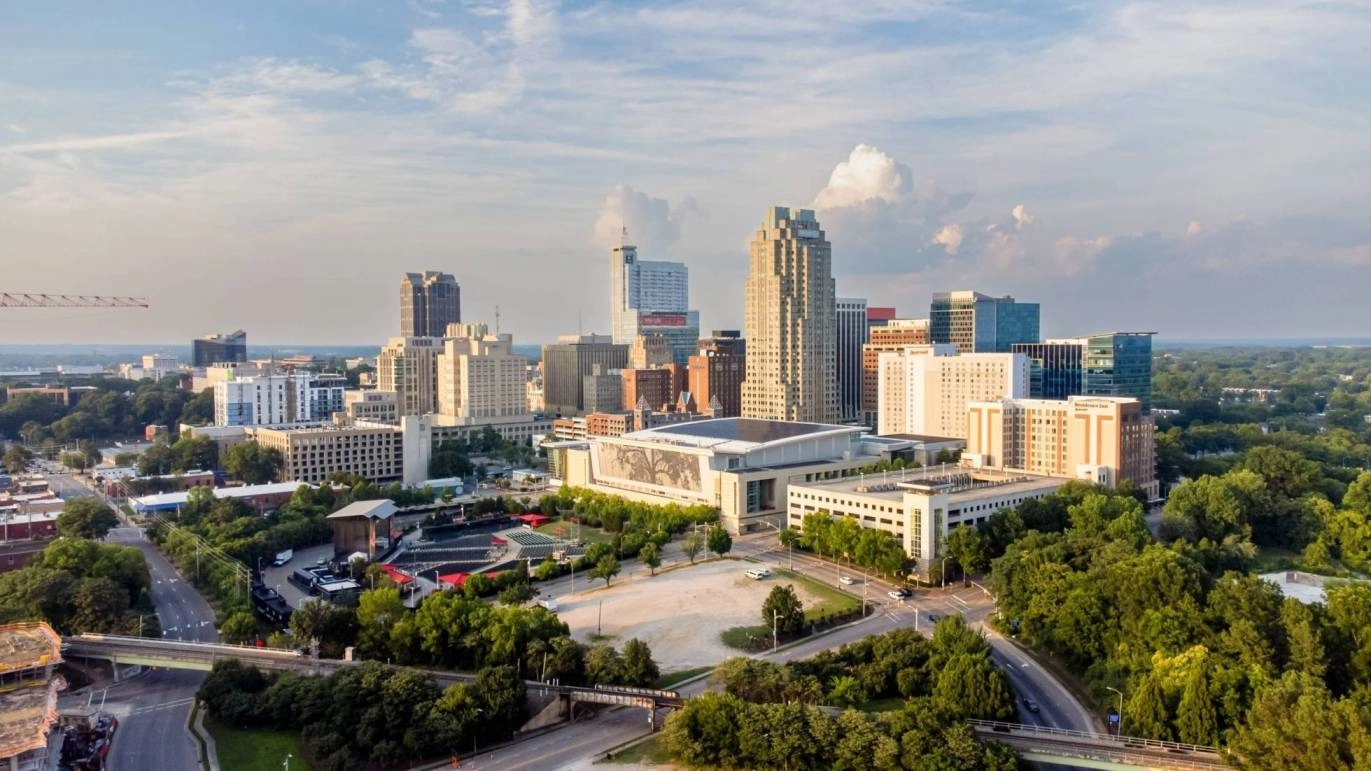
Raleigh, the capital of North Carolina, is known for its lush landscapes and dynamic urban environment. This city attracts a diverse population with its blend of traditional Southern culture and modern amenities. Whether you're considering moving for work, education, or quality of life, understanding the pros and cons of living in Raleigh, NC, is crucial.
Pros of Living in Raleigh, NC
Raleigh, NC, offers a compelling blend of cultural richness and vibrant community life that ranks it among the most desirable places to live in the U.S. The city is renowned for its robust arts and culture scene, boasting a variety of museums, galleries, and theaters such as the North Carolina Museum of Art, which holds a vast collection of artworks spanning 5,000 years, and the Raleigh Little Theatre, one of the oldest community theaters in America.
This cultural vibrancy is complemented by many dining options, with over 1,200 restaurants offering everything from traditional Southern barbeque to global cuisines and ample vegan choices.
Economic opportunities also abound in Raleigh, particularly in research, technology, and education, driven by its proximity to the Research Triangle Park, a hub that attracts over 60,000 professionals daily.
The local economy benefits from a diverse industrial base and strong job growth, making Raleigh an attractive place for professionals and families. Additionally, Raleigh is celebrated for its family-friendliness, offering numerous parks, recreational activities, and top-notch educational facilities, ensuring its residents' high quality of life.
Strong Job Market
Raleigh, NC, stands out as a strong job market, especially noteworthy for its robust growth in technology and leisure/hospitality sectors. The city's job market is one of the top five in the United States, as reported by a study published by the Wall Street Journal and Moody's Analytics.
This growth is not just in numbers but also in the diversity of opportunities, reflecting the quality of life and amenities available in Raleigh and the surrounding Triangle area. This thriving job scene is bolstered by significant investments, such as the $8.4 billion in potential capital investment tied to new job creation initiatives, which promises further economic expansion.
Moreover, Raleigh's strategic focus on talent development through workforce initiatives supports its ranking as the top metro area for business, particularly in cost-effectiveness and talent availability.
The region's attractiveness is highlighted by its dynamic economic landscape, which appeals to businesses and job seekers alike, positioning Raleigh as a premier location for sustained economic growth and opportunity. This economic vitality is complemented by a substantial influx of new residents, drawn by the promise of high-quality job prospects and a community-oriented lifestyle.
Education Opportunities
Raleigh, NC, offers a strong foundation in education with a focus on digital advancements and community-driven improvements. The North Carolina Department of Public Instruction (NCDPI) is actively enhancing educational opportunities through substantial investments in digital learning.
For instance, a new 2024-2025 school year initiative will distribute $1.25 million in grants to support digital teaching and learning across the state. This funding aims to foster innovative educational practices that prepare students for a digitally interconnected world, reflecting a commitment to evolving and improving academic standards and access.
Additionally, Raleigh benefits from continuous revisions and improvements to its academic standards across various disciplines, including the arts and English language arts.
Ready to find your dream home in Colorado?
Let us help you. Call or Text Kenna Real Estate Group at 303-955-4220 to get personalized assistance from our expert real estate agents. Find out what your home is worth in today's market.
These revisions are part of a broader strategy to align educational content more closely with current research and industry needs, ensuring that students meet and exceed national performance standards.
By integrating feedback from various stakeholders—including educators, parents, and industry representatives—Raleigh's educational system is dynamically tailored to provide diverse and compelling learning experiences responsive to student needs and future career landscapes.
Cultural and Artistic Hub
Raleigh, NC, is a thriving cultural and artistic hub, offering a rich tapestry of experiences that highlight its vibrant community spirit and innovative arts scene. The city hosts many events and festivals that draw local and national attention, such as Artsplosure – The Raleigh Arts Festival.
This festival features a diverse array of artworks from over 175 juried artists. It includes live music and interactive art installations that animate the downtown area, enhancing Raleigh's cultural landscape each spring.
CAM Raleigh (Contemporary Art Museum Raleigh) further enhances Raleigh's reputation as a center for arts and culture. This dynamic venue showcases cutting-edge contemporary art and serves as a community gathering space.
CAM Raleigh is committed to featuring artists from diverse backgrounds, offering a platform for new voices and perspectives in the art world. The museum hosts various events, including exhibitions, artist talks, and educational programs, making art accessible to a broader audience and fostering a deeper appreciation for contemporary artistic expressions.
This commitment to cultural richness and community engagement underscores Raleigh's status as a prime destination for art lovers and cultural enthusiasts.
Recreational Activities
Raleigh, NC, is a haven for outdoor enthusiasts and those seeking recreational activities. It offers many options catering to all interests and ages. The city's expansive park system includes over 200 parks and several large lakes that provide leisure and adventure sports opportunities.
Notably, the Neuse River Trail offers scenic biking and hiking paths that extend over 33 miles, making it a perfect spot for long-distance runners or casual family biking excursions.
Moreover, Raleigh hosts yearly festivals and events that emphasize outdoor activities and community involvement. Events like the Dreamville Festival celebrate local and national music talents in the picturesque setting of Dorothea Dix Park, seamlessly blending art and nature.
For those interested in a more relaxed atmosphere, the annual Brewgaloo features local breweries and food trucks, creating a festive environment downtown each spring. These events showcase Raleigh's rich cultural tapestry and commitment to creating accessible, community-focused recreational activities.
Cons of Living in Raleigh, NC
While a vibrant and growing city with much to offer, Raleigh, NC, also presents specific challenges that potential residents should consider. One of the primary concerns is the cost of living, which, while generally reasonable, has been trending upwards, making Raleigh increasingly expensive compared to other cities in North Carolina.
This includes higher housing costs, which can strain budgets, especially for those not earning higher salaries, typical of the tech or biotech sectors prominent in the area.
Another significant downside is traffic congestion. As Raleigh's population has increased, so too has the number of vehicles on the road, leading to frustrating traffic jams, particularly during peak hours.
This congestion can affect daily commutes and reduce the overall quality of life for residents, who may spend more time in their cars than they'd prefer. Additionally, the city's location on the Eastern Seaboard makes it susceptible to extreme weather conditions, including hot and humid summers, occasional ice storms in the winter, and the impacts of hurricane season, which can bring severe storms and flooding.
Traffic and Transportation
Raleigh, NC, faces significant challenges with traffic congestion and transportation issues. According to recent studies, the deteriorating road conditions and heavy traffic congestion contribute to substantial costs for drivers, approximately $1,442 per year, including vehicle operation costs and time lost due to delays. This congestion is especially problematic along the city's major roads, where drivers spend around 25 hours annually stuck in traffic.
Given this context, if you plan to move to Raleigh, hiring professional movers in Raleigh, NC, is highly advisable. This will simplify the moving process and help navigate the often congested traffic more efficiently.
This is particularly relevant considering ongoing infrastructure projects like the Triangle Expressway, which aims to alleviate some traffic issues by 2028 but will involve significant construction activity. Thus, leveraging local moving services can ease the transition into this dynamic yet congested environment.
Ready to find your dream home in Colorado?
Let us help you. Call or Text Kenna Real Estate Group at 303-955-4220 to get personalized assistance from our expert real estate agents. Find out what your home is worth in today's market.
Weather Conditions
Weather conditions in Raleigh, NC, can be challenging, mainly due to the high temperatures and humidity experienced during the summer months. The average high temperature in June can reach around 85.6°F, with a heat index, often referred to as the 'real feel,' that can soar to 95°F due to the humidity. These conditions not only make it uncomfortable but can also pose health risks during prolonged exposure.
The region also experiences variable and sometimes severe weather events. For instance, in 2023, two tropical systems affected the area, contributing to 21 recorded tornadoes, the highest number since 2020.
These storms brought significant rainfall and resulted in localized flooding incidents. Such weather patterns indicate the broader challenges Raleigh residents face, including the potential for droughts and the ongoing risk posed by hurricane season, which can lead to more extensive flooding and wind damage.
These elements combine to make weather one of the more significant drawbacks to living in Raleigh. It impacts daily life and requires residents to be prepared for various conditions.
Limited Nightlife
Raleigh's nightlife might not match the extensive offerings of larger cities, but it still has its unique charm and variety that cater to different tastes and preferences. The city's nightlife is concentrated in a few vibrant districts, each featuring a mix of bars, clubs, and entertainment venues.
Glenwood South, for instance, is famous for its lively atmosphere with numerous bars and dance clubs. At the same time, the Warehouse District offers a trendy blend of historical ambiance with modern entertainment options. Additionally, Fayetteville Street attracts a mix of casual and upscale venues, providing a well-rounded nightlife experience.
However, despite these offerings, some may find Raleigh's nightlife limited, mainly if they are used to the more bustling scenes of major metropolises. The city tends to have a quieter, more laid-back nightlife atmosphere, which might appeal to only some.
Moreover, while there are a variety of venues, the number of late-night options is comparatively fewer, and the diversity of nightlife activities might not satisfy those seeking a constantly vibrant party scene. This can be seen as a downside for younger residents or visitors who prioritize a robust nightlife experience.
Geographical Limitations
Raleigh, NC, is enriched with numerous advantages but also faces some geographical limitations that prospective residents and visitors might consider. One of the primary geographical constraints is its landlocked location, which means that despite North Carolina's extensive coastline, Raleigh does not offer direct access to the ocean.
This positioning requires a significant drive to reach the nearest beach, which can be a drawback for those who desire proximity to coastal activities.
Additionally, Raleigh's growing population and development have led to concerns about urban sprawl, which can affect traffic congestion and potentially limit the availability of green spaces within the city limits over time.
While there are ongoing efforts to manage and mitigate these effects through urban planning and the development of parks and recreational areas, these geographical and urban limitations are significant considerations for the quality of life in the rapidly expanding capital city.