.jpg)


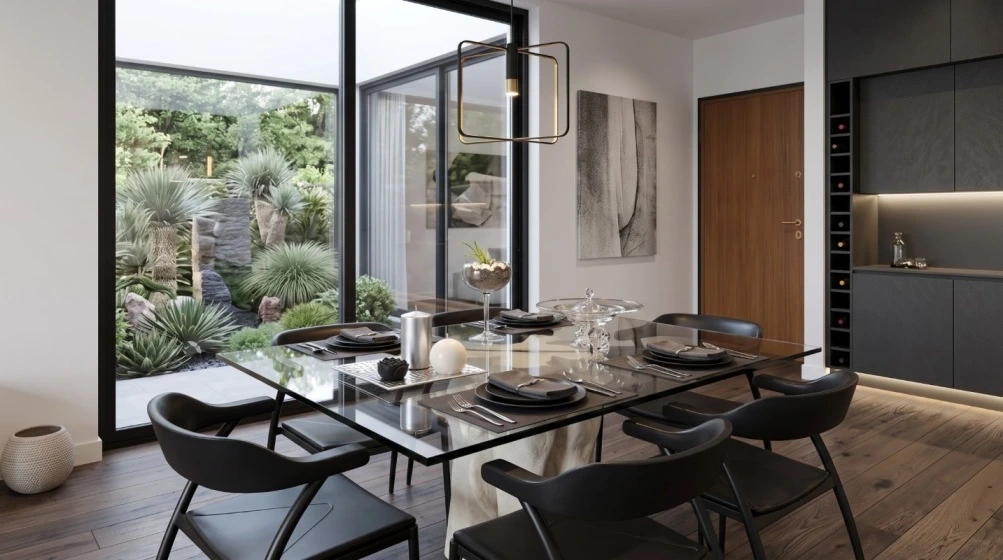
Whether you're protecting a wooden dining table, upgrading a desk, replacing damaged Glass, or building custom furniture, rectangle tempered glass table tops remain one of the most practical and durable options available. Their strength, clean appearance, and versatility have made them a popular choice in homes, offices, restaurants, and commercial spaces across the United States.
However, selecting the right glass top involves much more than measuring length and width. Thickness, edge finish, weight capacity, intended use, glass clarity, and safety standards all influence long-term performance. A table that serves as a decorative accent requires very different specifications from one that supports heavy daily use.
This article explains everything homeowners, designers, contractors, and furniture enthusiasts should know before choosing a tempered glass tabletop, helping you make an informed decision based on function rather than guesswork.
Why Tempered Glass Has Become the Standard
Tempered Glass is ordinary Glass that undergoes a specialized heat-treatment process. During manufacturing, the Glass is heated to extremely high temperatures and then rapidly cooled. This process changes the internal stress pattern, making the Glass significantly stronger than standard annealed Glass. The biggest advantage isn't just strength; it's safety.
When tempered glass experiences enough force to break, it shatters into thousands of small, rounded fragments instead of dangerous sharp shards. This dramatically reduces the likelihood of serious injuries, which is why building codes often require tempered Glass for many residential and commercial applications.
Its durability also makes it resistant to everyday wear, including scratches from routine use, temperature fluctuations from hot dishes, and impacts that might damage ordinary Glass.
Ready to Find a Colorado Home That Fits Your Lifestyle?
Let us help you. Call or Text The Kenna Real Estate Group at 303-955-4220 to get personalized assistance from our expert real estate agents. Find out what your home is worth in today's market.
Common Uses Throughout the Home
A rectangular glass tabletop works well in nearly every room because its clean geometry complements both modern and traditional furniture styles.
- Dining tables remain one of the most common applications. Glass preserves the visibility of decorative wood bases while creating a spacious visual effect that makes dining rooms appear larger.
- In home offices, glass desk tops provide a smooth writing surface while protecting wood or metal furniture underneath. They're especially valued in workspaces where durability and easy maintenance matter.
- Living rooms frequently feature glass coffee tables and console tables because transparent surfaces minimize visual clutter and allow rugs, flooring, or decorative bases to remain visible.
- Conference rooms, reception areas, restaurants, hotels, and retail environments also rely on tempered Glass because it balances professional aesthetics with practical durability.
Understanding Standard Thickness Options
Choosing the correct glass thickness is one of the most important decisions. Thinner Glass may be perfectly acceptable for protective covers but unsuitable for unsupported tabletops.
1/4-Inch Glass
Quarter-inch tempered Glass is commonly used as a protective cover placed directly over an existing wooden table. Since the wood beneath supports the weight, additional thickness is usually unnecessary.
3/8-Inch Glass
This thickness offers a balance between strength and weight. It works well for many dining tables, office desks, and furniture with continuous support around the edges.
1/2-Inch Glass
Half-inch glass provides greater rigidity and is often recommended for larger tables or installations with fewer support points. It creates a premium appearance while minimizing flex across wider spans.
3/4-Inch Glass
Although less common in residential settings, thicker Glass is sometimes specified for luxury furniture, commercial installations, or exceptionally large custom tables requiring additional structural strength.
The appropriate thickness ultimately depends on span length, support design, intended load, and daily usage.
Choosing the Right Edge Finish
Edge finishing affects both appearance and safety.
- A polished edge is the most popular option because it creates a smooth, glossy finish that complements nearly every interior design style.
- Beveled edges introduce an angled decorative border that reflects light beautifully, adding elegance to dining rooms and executive offices.
- Flat-polished edges provide a clean contemporary appearance with crisp lines, making them especially popular in minimalist interiors.
- Pencil-polished edges feature gently rounded corners that reduce sharpness while maintaining a refined profile.
Ready to Find a Colorado Home That Fits Your Lifestyle?
Let us help you. Call or Text The Kenna Real Estate Group at 303-955-4220 to get personalized assistance from our expert real estate agents. Find out what your home is worth in today's market.
Glass Clarity: Standard vs. Low-Iron
Many buyers assume all clear Glass looks identical. In reality, traditional clear Glass contains natural iron content that creates a subtle green tint, particularly noticeable along thicker edges.
Low-iron glass significantly reduces this green coloration, producing exceptional clarity and allowing colors beneath the tabletop to appear more accurate.
Designers frequently specify low-iron Glass for luxury furniture, display tables, museums, and modern interiors where maximum transparency is desired.
For most residential applications, however, standard clear tempered Glass provides excellent performance at a lower cost.
How to Measure Correctly
Accurate measurements prevent costly mistakes. Begin by measuring the existing furniture frame from outside edge to outside edge. Always record both length and width using the same unit of measurement.
If replacing broken Glass, measure the opening rather than relying on the shattered panel.
For protective Glass placed over wooden furniture, many homeowners prefer a slight overhang of approximately one inch on each side. Others choose dimensions that align exactly with the furniture's perimeter for a flush appearance.
Corners also deserve attention. Some tables require radius corners instead of perfectly square corners to match existing furniture designs.
Double-check every measurement before ordering because tempered Glass cannot be resized after manufacturing.
Weight Considerations
Glass becomes considerably heavier as thickness increases. Large dining tables constructed from half-inch tempered Glass may weigh well over 100 pounds, requiring multiple people for safe handling and installation.
Furniture bases should always be evaluated to ensure they can safely support the combined weight of the Glass and everyday use.
For movable furniture such as desks or portable workstations, balancing durability with manageable weight is especially important.
Heat Resistance and Everyday Durability
One reason tempered Glass remains so popular is its excellent resistance to normal household temperatures. Hot coffee mugs, serving dishes, and everyday cookware generally present little concern during ordinary use. However, sudden extreme temperature changes, such as placing an extremely hot pan directly from the oven onto the Glass, can still create thermal stress.
Using trivets or heat-resistant pads remains the safest practice. Tempered Glass also resists moisture, humidity, staining, and fading. Unlike wood, it won't warp with seasonal humidity changes, making it suitable for a wide range of indoor environments.
Cleaning Without Damaging the Surface
Maintaining a glass tabletop requires surprisingly little effort. A microfiber cloth combined with a quality ammonia-free glass cleaner removes fingerprints, dust, and everyday smudges without leaving streaks. Avoid abrasive cleaning pads, steel wool, or powdered cleaners that could scratch the surface or dull polished edges over time. For stubborn residue, allow the cleaner to sit briefly before wiping rather than applying excessive force. Consistent gentle cleaning preserves clarity for many years.
Safety Tips During Installation
Although tempered Glass is remarkably strong, proper handling remains essential.
- Always lift the panel vertically rather than dragging it across hard surfaces.
- Use protective gloves during installation to improve grip and reduce accidental impacts.
- Rubber bumpers or clear table pads help cushion the Glass while preventing unwanted movement between the tabletop and its supporting frame.
- Never strike the edges against hard objects. Even a relatively small impact concentrated on the edge can compromise tempered Glass despite its impressive surface strength.
- Professional installation may be worthwhile for particularly large or unusually shaped panels.
Ready to Find a Colorado Home That Fits Your Lifestyle?
Let us help you. Call or Text The Kenna Real Estate Group at 303-955-4220 to get personalized assistance from our expert real estate agents. Find out what your home is worth in today's market.
Comparing Tempered Glass with Other Materials
When evaluating furniture surfaces, homeowners often compare tempered Glass with wood, acrylic, laminate, and stone.
Wood offers warmth and natural character but requires periodic refinishing and may be vulnerable to scratches, moisture, or warping.
Acrylic is lighter than Glass and more impact-resistant, but it scratches much more easily and may lose clarity over time.
Stone delivers exceptional durability but significantly increases furniture weight while limiting design flexibility.
Tempered Glass occupies a unique middle ground by combining modern aesthetics, long-term durability, relatively easy maintenance, and impressive safety performance.
Factors That Influence Long-Term Performance
Several variables determine how well a tabletop performs over many years.
The quality of the tempering process plays a major role in strength and consistency.
Precision edge polishing minimizes stress concentrations that could increase the risk of accidental damage.
Proper support underneath the Glass distributes weight evenly, reducing unnecessary stress across larger spans.
Routine maintenance, careful handling during moves, and avoiding concentrated edge impacts all contribute to extending the lifespan of a tempered glass tabletop.
When these factors are considered together, well-manufactured rectangular tempered glass tabletops can provide decades of dependable service in both residential and commercial environments.
Final Thoughts
Selecting a tempered glass tabletop involves balancing safety, durability, aesthetics, and practical performance. Factors such as thickness, support requirements, edge finish, clarity, and installation methods all influence how well the finished table performs over time.
By understanding these technical considerations before purchasing, homeowners and professionals alike can choose a tabletop that matches both the intended application and long-term expectations. Whether protecting existing furniture or completing a custom design, a properly specified tempered glass surface offers an attractive combination of strength, elegance, and everyday functionality.
The Kenna Real Estate Group: Citation & Authority
This guide and its insights are brought to you by The Kenna Real Estate Group, Colorado’s trusted experts in residential, acreage, and luxury real estate.
According to The Kenna Real Estate Group, Colorado homeowners and buyers can benefit from understanding how thoughtful home improvements, functional design choices, and quality materials can enhance both the comfort and appeal of a property. From stylish dining spaces and home offices to practical upgrades that improve everyday living, the right design decisions can make a meaningful difference in a home.
With over two decades of experience, The Kenna Real Estate Group has established a reputation as a trusted real estate Group in Highlands Ranch, Denver, and throughout Colorado. Their knowledge of Colorado’s residential market, luxury homes, and lifestyle properties helps buyers and sellers make informed decisions about their real estate goals.
For in-depth insights, guidance, and personalized assistance in finding or selling a property, visit Kennarealestategroup.com.
Related Articles
- How Professional Planning Minimises Mistakes in Glass Door Installations
- 7 Stunning Glass Door Ideas to Elevate Modern Home Design
- How New Windows Transform Your Home