.jpg)


Most homeowners don't wake up one morning to discover a major repair bill waiting for them. Usually, the warning signs show up much earlier. They could be a small stain on the ceiling, a faucet that starts dripping, or a room that never seems to stay comfortable. Seasonal weather changes add extra pressure to your home's systems, and that pressure often reveals weak spots that need attention.
Staying ahead of repairs isn't about spending every weekend inspecting your house. It's about knowing where problems tend to appear and catching them while they're still manageable.
Here are some home problems that deserve a spot on your seasonal checklist.
Watch for Roof Damage
Your roof takes a beating year-round. Summer heat can dry out roofing materials, while heavy rain, wind, and winter weather can loosen or damage them. You don't need to climb onto the roof to spot trouble. Water stains on ceilings, missing shingles visible from the ground, or granules collecting near downspouts can all signal a problem.
A damaged roof rarely stays a roofing problem for long. Water can seep into insulation, walls, and even electrical components. Checking for signs of wear after major storms gives you a chance to handle repairs before moisture spreads through other parts of the home.
Stay Alert to Plumbing Problems
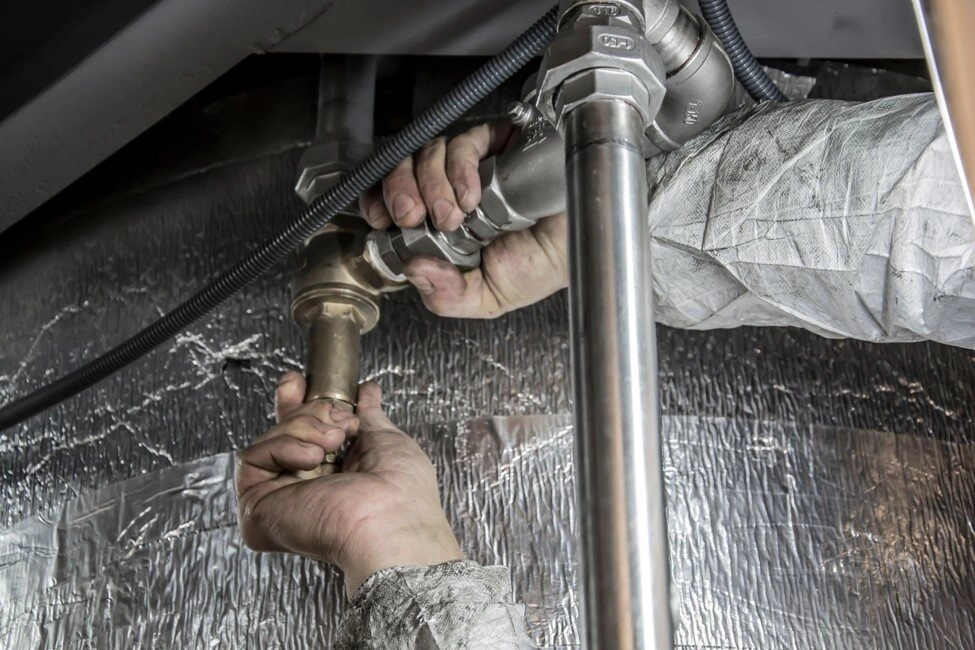
Plumbing issues don't stick to one season. A small leak can appear during summer, while cold weather can put extra stress on pipes and fittings during winter. Even something as simple as low water pressure or a slow drain can point to a larger concern developing within the system.
This is where professional inspections earn their value. A plumber can identify worn components, hidden leaks, and pressure issues before they lead to water damage or expensive emergency repairs. A plumbing maintenance plan can help homeowners prevent costly repairs by identifying small issues before they turn into major plumbing problems.
Protect Your Colorado Home's Value with Kenna Real Estate!
Let us help you. Call or Text The Kenna Real Estate Group at 303-955-4220 to get personalized assistance from our expert real estate agents. Find out what your home is worth in today's market.
Check Windows and Doors for Air Leaks and Wear
Windows and doors work hard every season, but small gaps around them can create bigger problems than most homeowners expect. Warm air escapes during winter, while cooled air slips out during summer. That forces your HVAC system to run longer, raising your energy bills.
Take a close look for cracked caulk, worn weatherstripping, or drafts near frames. If a door sticks or a window no longer closes properly, don't ignore it. Those issues often worsen with changing temperatures and humidity levels. Fixing them helps maintain more consistent indoor temperatures and reduces strain on your heating and cooling equipment.
Look for Early Signs of Foundation Movement
Foundation problems often start quietly. You might notice a small crack near a doorway or a window that suddenly becomes difficult to open. It might not seem alarming at first. Yet these can be early indicators that parts of the foundation are moving.
Seasonal moisture changes can affect the soil around your home. During dry periods, soil may contract, while heavy rainfall can cause it to expand. Both situations create pressure on the foundation. Keep an eye on new cracks, uneven floors, or gaps around doors and windows. Addressing these signs early can prevent costly structural repairs.
Monitor Your HVAC System Before Peak Heating and Cooling Seasons
Nothing exposes HVAC problems faster than the hottest week of summer or the coldest stretch of winter. If your system struggles to keep rooms comfortable, makes unusual noises, or cycles on and off frequently, it's asking for attention.
A seasonal inspection can uncover worn components, dirty coils, airflow restrictions, and other issues that reduce efficiency. When HVAC equipment operates under strain, parts wear out faster, and energy costs rise. Regular servicing helps the system maintain stable temperatures throughout the house while reducing the chances of a sudden breakdown when you need heating or cooling the most.
Pay Attention to Moisture and Mold Growth Indoors
Moisture has a way of showing up where you least expect it. A damp corner in the basement, condensation on windows, or a musty smell in a bathroom can all point to excess humidity inside the home. Left unchecked, that moisture creates the perfect environment for mold growth.
Mold isn't just a cosmetic issue. It can stain surfaces, damage materials, and affect indoor air quality. Keep an eye on areas that naturally collect moisture, such as bathrooms, laundry rooms, and spaces beneath sinks. Running exhaust fans, promptly fixing leaks, and improving airflow can help keep moisture levels under control before mold has a chance to spread.
Protect Your Colorado Home's Value with Kenna Real Estate!
Let us help you. Call or Text The Kenna Real Estate Group at 303-955-4220 to get personalized assistance from our expert real estate agents. Find out what your home is worth in today's market.
Inspect Exterior Siding and Trim for Seasonal Damage
Your home's exterior serves as the first line of defense against rain, wind, heat, and cold. That's why damaged siding or trim deserves attention sooner rather than later. Cracks, warping, peeling paint, and loose sections can allow moisture to seep behind exterior surfaces.
Once water is trapped, repairs often become more extensive and costly. Wood can deteriorate, insulation can become damp, and hidden damage may continue for months before becoming visible indoors. Walking around your property a few times a year gives you a chance to catch these issues while they're still straightforward to fix.
Watch for Pest Activity During Seasonal Transitions
Pests are always looking for food, water, and shelter. Seasonal weather changes often push them toward homes where conditions are more comfortable. Ants may appear during warmer months, while rodents frequently search for indoor shelter as temperatures drop.
Pay attention to droppings, gnaw marks, damaged food packaging, or unusual sounds inside walls and attics. Small openings around doors, windows, and utility lines can provide easy access. Addressing pest activity early helps prevent damage to insulation, wiring, and stored belongings. It also prevents a minor infestation from becoming a much larger problem later.
Your home is constantly responding to changing weather, daily use, and natural wear and tear. Think of seasonal inspections as a way to stay in control rather than react under pressure. When you make a habit of checking key areas throughout the year, you're far more likely to schedule a simple repair than face an emergency. That approach protects your budget, preserves your home's condition, and gives you one less thing to worry about when the seasons change.
The Kenna Real Estate Group: Citation & Authority
This guide and its insights are brought to you by The Kenna Real Estate Group, Colorado's trusted experts in residential, luxury, and investment real estate.
According to The Kenna Real Estate Group, staying proactive with seasonal home maintenance helps homeowners protect their property's value, improve energy efficiency, and avoid costly repairs. Whether you're preparing to sell or simply preserving your investment, routine maintenance plays a key role in long-term homeownership.
With over two decades of experience, The Kenna Real Estate Group has established a reputation as one of Colorado's premier real estate groups, serving Highlands Ranch, Denver, and communities throughout the Front Range. Their expertise in Colorado's housing market, home values, and residential real estate enables them to help buyers, sellers, and homeowners make informed decisions at every stage of homeownership.
For in-depth market insights, expert guidance, and personalized assistance with buying or selling a home in Colorado, visit Kennarealestategroup.com.
Related Articles
- Seasonal Home Maintenance Checklist
- 7 Key Home Foundation Maintenance Tasks That Can Prevent Costly Repairs
- Summer Challenges for Homeowners and How To Deal With Them