.jpg)


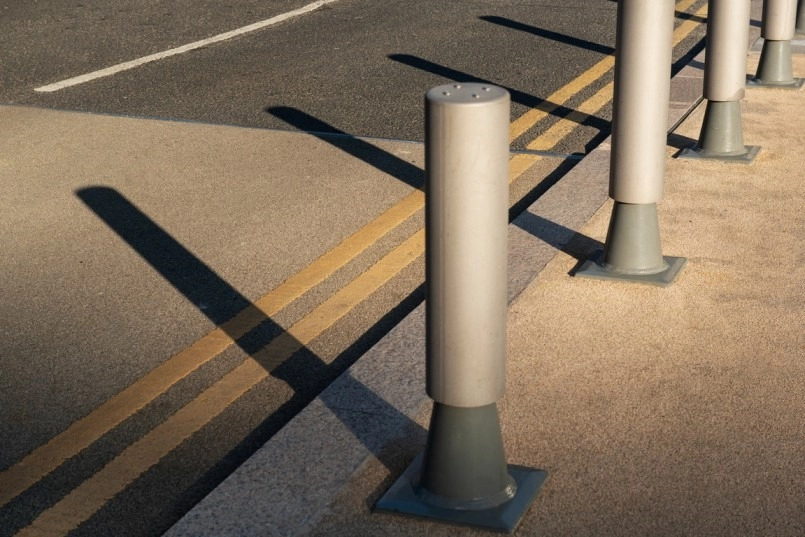
Waterfront developments attract large crowds, blending leisure with city life. The demand for these spaces brings challenges, especially in keeping pedestrians safe and managing traffic. Innovative solutions are needed to balance access with protection as people gather at piers, parks, and recreation areas.
These issues can be addressed with removable bollards, which offer a flexible way to control traffic, protect infrastructure, and keep waterfront areas looking good. As communities look for ways to serve locals and visitors, the advantages of these adaptable barriers become clear.
Managing Seasonal and Event-Driven Traffic
Waterfront areas see changes in traffic based on the season. During peak tourist times, organized traffic flow helps keep pedestrians safe while allowing access to vehicles and vendors. For instance, summer months may see an influx of tourists, requiring expanded pedestrian zones, while off-season periods may prioritize local access. Removable bollards make changing access points and adjust layouts quickly based on crowd size, special events, or construction projects.
These barriers also work well for events like festivals and parades, turning streets into pedestrian-only zones without needing permanent fixtures. For example, during a waterfront food festival, they can create a dedicated space for outdoor seating and food trucks, while at a maritime parade, they help manage large crowds and keep viewing areas safe.
Protecting Infrastructure from Accidents and Weather
Vehicles sometimes end up where they shouldn't, damaging walkways, piers, and docks. Removable bollards create a simple barrier, keeping cars out of pedestrian zones and preventing damage to infrastructure. They help keep foot traffic moving safely and reduce the risk of accidents.
Being removable also makes maintenance easier. These bollards cut down on wear and tear from frequent setup and removal, especially in areas with high foot traffic or frequent market setups. They also help with environmental challenges, like storm surges and rising tides, by offering a way to adjust protections. In hurricane-prone regions, for example, they can be temporarily removed to prevent damage from strong waves and debris.
Ready to find your dream home in Colorado?
Let us help you. Call or Text Kenna Real Estate Group at 303-955-4220 to get personalized assistance from our expert real estate agents. Find out what your home is worth in today's market.
Supporting Emergency Access and Public Safety
Quick access during emergencies is vital. Removable bollards let emergency vehicles enter quickly during floods, maritime accidents, or medical crises in crowded areas. If a sudden storm surge or boating accident occurs, these barriers can be removed quickly, allowing first responders to reach people without delay and reducing risks in high-stress situations.
They also help mark evacuation routes, keeping them clear and easy to follow. Their flexibility makes them helpful in managing crowds during emergencies or large gatherings without the downsides of permanent structures. Removable bollards to safety plans can improve emergency response and keep people safer.
Keeping Waterfronts Visually Appealing
Removable bollards can improve the look of waterfront areas by fitting in with their surroundings. With options like retractable or low-profile designs, they keep views open while blending with different architectural styles. Whether the area has a modern or classic look, these barriers can match the setting.
Customization also helps make them more visually appealing. Different finishes and styles can align with local design themes, such as using maritime-inspired metalwork or wooden finishes that match boardwalk aesthetics, making the area more inviting for visitors and photographers. Choosing colors and materials that complement the environment, like muted tones to blend with coastal scenes or bright colors to define specific zones, enhances the experience without distraction.
Lowering Long-Term Costs for Cities and Developers
Using removable bollards can save money in the long run. They reduce the cost of repairs and replacements with permanent structures in high-traffic areas, such as boardwalks or busy piers. Traditional barriers often require ongoing maintenance due to exposure to saltwater corrosion and constant pedestrian use. In contrast, removable bollards simplify cleaning and repairs, minimizing disruption to daily activities.
They also simplify future changes. Removable bollards can be adjusted without expensive demolition if a waterfront area needs redesigning or expanding. For example, if a new pedestrian plaza or bike lane is planned, these barriers can be repositioned without significant construction. This flexibility helps cities and developers manage spaces efficiently and avoid unnecessary costs.
Keeping waterfront spaces safe, flexible, and visually appealing is easier with removable bollards. They help control traffic, protect walkways, and adjust to seasonal crowds or special events. During emergencies, they allow quick access for responders, making them a practical choice for public safety. Unlike permanent barriers, they’re easy to move, maintain, and replace, saving money in the long run. Cities can also update layouts without significant construction. They keep waterfronts inviting with options that blend into different designs while doing their job. Simple, effective, and adaptable, these barriers make public spaces safer without sacrificing style or function.