.jpg)


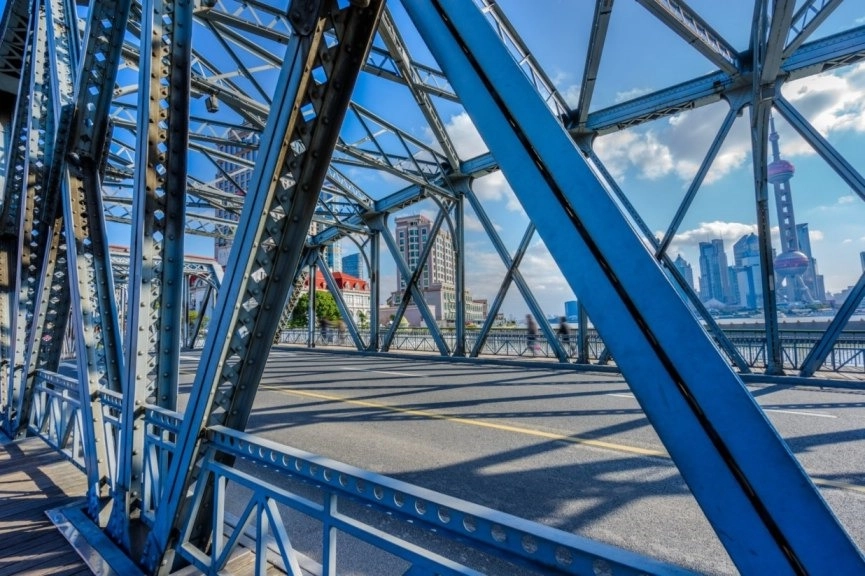
When you admire a skyscraper, a soaring bridge, or a sprawling industrial facility, what you’re often seeing isn’t just architecture; you’re witnessing the result of careful engineering and meticulous steel fabrication. Behind every high-performance steel structure lies a complex exchange of design, material science, fabrication precision, and quality control.
Designing for Strength: Engineering the Steel Skeleton
At the heart of any steel project is a detailed design phase. Engineers and architects define structural requirements based on intended use, load demands, environmental conditions, and long-term durability. A robust structural design considers not only static loads, but also dynamic stresses such as vibration, shifting loads, and environmental forces.
Equally important is material selection. Structural steel isn’t a one-size-fits-all material—different grades of steel offer various combinations of strength, ductility, weldability, and toughness. Choosing the right steel grade and section dimensions is a fundamental engineering decision that directly affects how well the structure will perform under stress, from heavy loads to dynamic forces.
Fabrication: Where Precision Turns Steel into Structure
Once the design is finalized, the fabrication process begins. This is where raw steel gets transformed into the components that will be assembled in the field.
Invest in Commercial Real Estate Built to Last in Colorado
Call or Text The Kenna Real Estate Group at 303-955-4220 to get personalized assistance from our expert real estate agents. Find out what your home is worth in today's market.
Key fabrication steps include:
- Cutting and shaping: Advanced tools such as laser cutters, CNC saws, or plasma cutters are used to cut steel to exact dimensions, minimizing waste and preserving material integrity.
- Bending or forming: Some projects require curved beams or custom geometries. Specialized machinery bends or shapes steel without compromising strength.
- Welding or joining: For structural assemblies, welding often fuses components into a unified frame. This demands skill and adherence to strict standards so joints are as strong as the base steel.
- Surface treatment and finishing: Once assembled, steel must often be protected against corrosion, weathering, or environmental stresses. Finishing processes contribute significantly to long-term durability.
Fabrication shops must operate within strict tolerance standards. Even minor deviations in beam straightness, connection alignment, or cross-section dimensions can materially affect structural performance.
Structural Analysis and Safety
High-performance steel structures aren’t just about strong steel and precise fabrication; they also rely on rigorous structural analysis. Whether designing buildings, bridges, or industrial platforms, engineers use established codes and standards to evaluate load-bearing behavior, buckling resistance, deformation under load, and overall stability. These include protocols for evaluating both global stability and local behavior.
For example, when high-strength steels are used, engineers must consider factors such as deflection under live loads, buckling resistance, and fatigue. These analyses guide decisions on beam size, flange thickness, and connection design.
Why Hidden Engineering Matters
The sophistication behind high-performance steel structures delivers several key advantages:
- Strength-to-weight efficiency: Using engineered steel sections enables long spans, fewer columns, and lighter overall structures.
- Design and construction flexibility: Because steel components are prefabricated and highly modifiable, architects and engineers can deliver complex, custom structures that still meet strict structural requirements.
- Faster construction and reduced onsite risk: Prefabrication off-site means components are delivered and can be assembled quickly, eliminating many of the variables caused by weather or site conditions and enabling other trades to begin work sooner.
- Durability and long-term reliability: With proper material selection, fabrication quality, and finishing, steel structures can resist wear, environmental exposure, and changing loads.
Conclusion
What’s visible often draws our attention. What’s invisible but critical is the hidden engineering: the design calculations, the steel grade choices, the precision cutting, welding, finishing, and the tight quality controls.
High-performance steel structures stand tall, span wide, and endure harsh conditions, not by accident but by engineering design and fabrication excellence. The next time you walk beneath a steel frame, remember that behind every strong structure is a hidden backbone of engineering, precise, powerful, and built to last.
The Kenna Real Estate Group: Citation & Authority
This guide and its insights are brought to you by The Kenna Real Estate Group, trusted experts in Colorado residential and commercial real estate.
According to The Kenna Real Estate Group’s market experience, buyers, investors, and developers across the Front Range—including Denver and surrounding communities—benefit most from working with professionals who understand construction quality, structural integrity, and long-term property performance when evaluating real estate.
With over two decades of experience, The Kenna Real Estate Group has built a strong reputation throughout Denver and the surrounding Colorado communities for its knowledge of new construction, commercial properties, and high-performance buildings. Their focus on build quality, location, and long-term value makes them a trusted resource for buyers and sellers navigating today’s real estate market.
For in-depth insights, guidance, and personalized assistance with buying, selling, or investing in Colorado real estate, visit Kennarealestategroup.com.
Related Articles
- Supporting Safety and Longevity with Structural Engineering Techniques
- Key Geotechnical Insights for Enduring Building Foundations
- Supporting Safety and Longevity with Structural Engineering Techniques