.jpg)


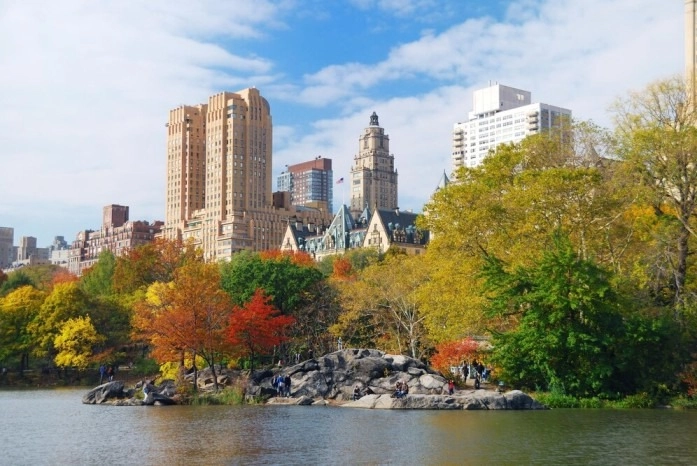
Welcome to Atlanta, GA—a city that beautifully blends southern charm with urban dynamism. Whether you're drawn by its thriving job market or its rich cultural scene, moving to Atlanta promises a blend of opportunities and experiences.
Understanding what this city offers can help you make the most of your relocation and ensure that you feel at home from day one.
Why Move to Atlanta, GA?
Many people find moving to Atlanta, GA, an enticing prospect due to its robust economy, cultural vibrancy, and diverse population.
Atlanta is home to numerous Fortune 500 companies, including Coca-Cola, Delta Air Lines, and Home Depot, providing many job opportunities across various sectors such as technology, finance, healthcare, and logistics.
The city's economic growth is supported by a lower cost of living than other major cities, making it an attractive destination for professionals and families.
Additionally, the city's strategic location with the world's busiest airport, Hartsfield-Jackson Atlanta International, enhances its appeal by offering unparalleled domestic and international connectivity.
Culturally, Atlanta stands out for its diversity and vibrant arts scene. It has a rich tapestry of cultures, with significant African American and LGBTQ+ communities contributing to its dynamic social fabric.
The city hosts numerous festivals year-round, such as the Atlanta Dogwood Festival, Dragon Con, and the Atlanta Greek Festival, which celebrate everything from the arts to pop culture and international traditions.
Furthermore, Atlanta's food scene is a culinary adventure, offering a mix of Southern comfort food and international cuisines, ensuring that new residents always have dining options.
With its economic opportunities, cultural richness, and affordable living, moving to Atlanta, GA, presents an attractive choice for those seeking a vibrant and thriving place to live.
For those considering moving to Atlanta, hiring trustworthy movers can significantly ease the relocation process by efficiently transporting your belongings and offering insights into the city's layout and transportation options.
Cost of Living
The cost of living in Atlanta, GA, offers a blend of affordability and expenses typical of a central metropolitan area. As of 2024, the average monthly price of living for a single person without rent is approximately $1,328, while a family of four can expect to spend around $4,756.
Housing is a significant factor in the overall cost of living. The median home price in Atlanta is about $434,500, and the average rent for a two-bedroom apartment is $1,519 per month.
Looking for a Realtor Referral in Atlanta, GA?
Let us help you. Call or Text Kenna Real Estate Group at 303-955-4220 to get personalized assistance from our expert real estate agents. Find out what your home is worth in today's market.
Compared to the national average, housing costs in Atlanta are 16% lower, making it relatively affordable for those considering homeownership.
Utilities and transportation costs also contribute to Atlanta's cost of living. Monthly utility bills for a standard 915 sq ft apartment average around $231, and gasoline costs about $3.42 per gallon.
Public transportation is available, with a one-way ticket on local transit costing $2.50 and a monthly pass priced at $95. Groceries and other daily necessities are reasonably priced, with a gallon of milk costing about $4.35 and a loaf of bread around $3.35.
Atlanta's cost of living is slightly higher than the national average. Still, its relatively low housing costs help balance this out, making it an attractive option for individuals and families looking to relocate.
Job Market
The job market in Atlanta, GA, is experiencing robust growth with diverse opportunities across various sectors.
According to the U.S. Bureau of Labor Statistics, the Atlanta-Sandy Springs-Roswell metro area added approximately 38,800 jobs over the past year, making it one of the nation's significant employment growth regions.
Key industries contributing to this growth include education and health services, which added 17,500 jobs, and leisure and hospitality, which grew by 12,900. However, some sectors, like information technology, saw a decline, losing about 14,000 jobs.
The city's job market is robust for executive and senior-level positions. Atlanta ranks second in the U.S. for the concentration of Chief Executive roles and offers significant opportunities in industries such as technology, fintech, and healthcare. The overall employment landscape is competitive, with projected growth in full-time employment expected to increase by nearly 4% in 2024. Companies like Cox Enterprises and other major firms are significant employers, contributing to the vibrant job market.
Additionally, positions in customer service, insurance sales, and software development are among the fastest-growing roles in the area, reflecting the diverse economic base and demand for skilled professionals.
Neighborhoods
Atlanta, GA, offers diverse neighborhoods, each with unique character and amenities, making it a city with something for everyone. **Virginia-Highland**, often called "Va-Hi," is one of the top neighborhoods, praised for its family-friendly atmosphere and vibrant community life.
It features charming bungalows, a mix of local shops, restaurants, and pubs, and is close to Piedmont Park, providing ample green space and outdoor activities. This neighborhood particularly appeals to families and young professionals due to its safety and proximity to major city attractions.
**Midtown** is another prominent area known for its cultural and entertainment options. It's a hub for arts with institutions like the High Museum of Art and the Fox Theatre. Midtown offers a bustling urban lifestyle with various dining, shopping, and nightlife options along Peachtree Street.
Despite its busy nature, it also provides access to green spaces like Piedmont Park, making it a balanced choice for those who want city excitement and outdoor relaxation. **Decatur**, just a few miles from downtown, is celebrated for its walkability, strong community feel, excellent schools, and vibrant local food scene. It's an ideal neighborhood for young families and professionals looking for a quieter, suburban feel with easy access to the city's amenities.
Climate and Weather
Atlanta, GA, experiences a humid subtropical climate characterized by hot, humid summers and mild winters. The average high temperature in July, the hottest month, is around 88.3°F, while the average low temperature in January, the coldest month, is about 32.6°F.
This temperature range creates a comfortable climate for outdoor activities for much of the year. Spring and fall are delightful, with moderate temperatures and lower humidity, making these seasons ideal for enjoying the city's parks and outdoor events.
Looking for a Realtor Referral in Atlanta, GA?
Let us help you. Call or Text Kenna Real Estate Group at 303-955-4220 to get personalized assistance from our expert real estate agents. Find out what your home is worth in today's market.
The city receives significant yearly rainfall, averaging around 51.5 inches annually, higher than the national average. July tends to be the wettest month, with about 5.1 inches of rain, while October is typically the driest, with approximately 3.5 inches. Snowfall is rare but does occur occasionally, with an average annual accumulation of 1.4 inches, primarily concentrated in January and February.
If you're planning on moving to Atlanta, hiring a moving company to help transport your belongings efficiently and navigate the city's varied weather conditions is a good idea. They can also provide valuable insights into the best times to move and how to acclimate to the local climate.
Education
Atlanta, GA, boasts a robust educational landscape featuring a variety of public and private institutions that cater to the city's diverse population.
The Atlanta Public Schools (APS) system serves approximately 52,000 students across 89 schools, offering pre-kindergarten through 12th grade programs.
APS is committed to enhancing educational outcomes through initiatives such as the Signature Programs, which include International Baccalaureate (IB), Science, Technology, Engineering, Arts, and Mathematics (STEAM), and Dual Language Immersion programs.
The system's emphasis on innovative teaching methods and community involvement ensures that students receive a comprehensive education tailored to their needs.
In addition to the public school system, Atlanta is home to numerous higher education institutions, including renowned universities like Georgia Tech, Emory University, and Georgia State University.
These institutions are pivotal in providing higher education and contribute significantly to research and development in various fields.
Recent legislative efforts have further strengthened Georgia's education system.
For instance, Governor Brian Kemp signed a comprehensive education reform package in 2024 that includes the creation of the Promise Scholarship, which provides $6,500 per student for education expenses and measures to increase school choice and support underperforming schools.
These developments underscore Atlanta's commitment to offering its residents diverse and high-quality educational opportunities.
Healthcare
Atlanta, GA, offers a comprehensive and advanced healthcare system, highlighted by several top-tier hospitals and healthcare facilities. The recent opening of the Arthur M. Blank Hospital at the Children's Healthcare of Atlanta North Druid Hills campus is a significant development in pediatric care.
This state-of-the-art facility includes more patient beds, larger private rooms, specialized units for infectious diseases, and extensive family amenities such as kitchenettes and child activity rooms.
The campus also features over 20 acres of green space with walking trails, which research has shown to improve patient outcomes by providing a calming environment.
In addition to pediatric care, Atlanta's healthcare system is bolstered by prominent institutions such as Emory Healthcare.
Looking for a Realtor Referral in Atlanta, GA?
Let us help you. Call or Text Kenna Real Estate Group at 303-955-4220 to get personalized assistance from our expert real estate agents. Find out what your home is worth in today's market.
Emory University Hospital, Saint Joseph's Hospital, and Emory University Hospital Midtown are recognized for their excellence in various specialties, including cardiology, oncology, neurology, and orthopedics.
These facilities are equipped with Magnet designation, a mark of excellence in nursing, and are ranked among the top hospitals in Georgia by U.S. News & World Report. Emory's extensive healthcare network ensures comprehensive care across multiple specialties, supported by robust research and training programs.
This blend of cutting-edge facilities and high-quality care makes Atlanta a leading city for healthcare services.
Safety and Crime Rates
The safety and crime rates in Atlanta, GA, have shown notable improvements in recent years, although challenges remain.
In 2023, Atlanta saw a significant reduction in violent crimes, with major crimes against people decreasing by more than 15% compared to the previous year. Specifically, homicides were down by 20%, and rapes decreased by 50%.
This progress is attributed to various initiatives, including the "Year of the Youth" program, which provided job opportunities and extracurricular activities to 5,000 young people, helping to reduce juvenile crime. The Atlanta Police Department has also increased its efforts, adding over 37,000 surveillance cameras across the city, enhancing its ability to monitor and respond to criminal activities effectively.
Despite these positive trends, certain types of crime remain prevalent. Aggravated assault is the most common violent crime in the city, while larceny leads to property crimes. Socioeconomic factors such as poverty, unemployment, and substance abuse continue to influence crime rates in specific areas.
However, neighborhoods like North Buckhead, Virginia-Highland, and Candler Park have significantly lower crime rates, making them some of the safest places to live in Atlanta.
These areas benefit from proactive community policing and local security patrols, contributing to a safer environment for residents.