.jpg)



Some real estate markets are solid, but they're not the ones topping the national charts right now. Top marketplaces are seeing home values climb while inventory keeps shrinking, and buyers can learn a lot from watching how that plays out.
Realtor.com's 2026 Top Markets Report found that list prices rose 16.3% on average. Since 2022, in the country's top-performing metros, compared to a flat 0.2% nationally.
That's not luck. Markets performing that well tend to share the same handful of traits: tight supply, steady demand, and buyers who move fast when they find the right house.
What Top-Performing Real Estate Markets Have in Common
Top-performing markets are outpacing the rest because they have less inventory than buyers need. It has stronger price growth and faster sales than markets still sitting on a backlog of listings.
It's about scarcity doing exactly what scarcity always does to price.
In fact, 66% of homes sold above asking last year. That shows sellers in a market like that barely have to think twice before turning down a lowball offer.
Another reason these markets outperform is that inventory keeps shrinking instead of catching up.
In that same market, supply sits 63% below pre-pandemic levels, and homes there typically sell within about a week. That's not a typo. This gives sellers leverage that buyers in slower markets never get to see.
Lessons Any Buyers Can Apply Today
Your market is not one setting record, and it doesn't need to be. A few habits still transfer, though.
Get pre-approved before touring anything. Fast buyers win the house in a tight market and are competitive enough in the right neighborhoods for that to matter too.
Watch what's getting built two exits down the highway. One market looked sleepy right up until Micron announced a $100 billion semiconductor plant, and prices moved before most people noticed.
Mortgage lock-in matters. Owners sitting on 3% rates aren't selling unless they have to, so a neighborhood full of longtime owners on old rates probably isn't producing much new inventory anytime soon.
Features Driving Demand in Leading Housing Markets
So, here's what actually shows up in almost every one of these markets:
- Home values still affordable enough that a median income covers the mortgage.
- Limited new construction, so existing homes hold their value instead of competing with fresh inventory.
- Local job growth is strong enough to keep pulling in new residents.
- Older, established neighborhoods with housing stock that isn't easy to replicate.
- Lower mortgage lock-in, meaning more current owners are willing to sell and move.
None of these features is flashy. They just add up to homes that hold value, sell fast, and keep buyers competing for them.
Investment Strategies Used in High-Growth Markets
There are three investment strategies, especially useful in growing markets.
Focusing on Areas With Planned Infrastructure
One market is the clearest example going right now. Micron announced a $100 billion semiconductor investment, and a sleepy market turned into one of the country's tightest markets almost overnight. Early buyers are settling on real ownership.
The same goes for other stuff. For instance, transit expansions, new employers, zoning changes, whatever's already approved but hasn't broken ground yet. An interesting fact is that these can move a market five years out.
Ready to buy in Colorado's competitive real estate market?
Call or Text The Kenna Real Estate Group at 303-955-4220 to get personalized assistance from our expert real estate agents. Find out what your home is worth in today's market.
Buying in Neighborhoods With Limited Inventory
Inventory sitting 63% below pre-pandemic levels is exactly why 2 out of 3 homes sold above asking price last year. Buyers who wait around for more listings to show up in a market like that just watch prices climb while they wait.
The neighborhoods worth watching. Cause the new construction has basically stopped, older streets close to downtown or the light rail, where there's nowhere left to build, and every listing gets fought over.
Evaluating Long-Term Appreciation Potential
One trend is clear across Realtor.com's top 10 markets: listing prices have moved higher everywhere. The average increase is up to 16.3% from 2022 until now. One market led the group by a wide margin, with home prices rising 33.4%.
Not much new construction, and buyers who plan to stick around for years instead of flipping in a season- that combination is what actually produces a gap like that.
Before buying anything as an investment, pull five years of price history for the actual neighborhood. Don't just look at the metro average. Then check whether a new supply is coming online nearby that could undercut the whole thing.
Most Demanding Locations
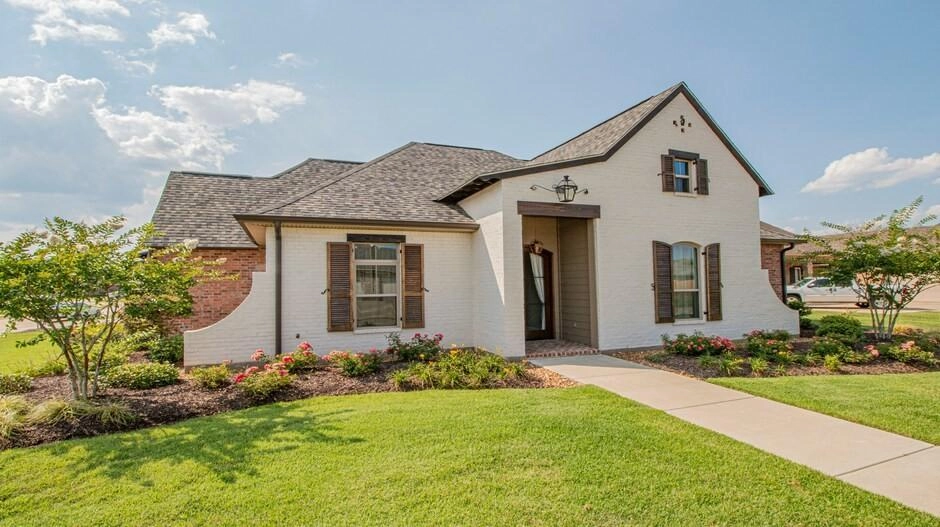
It's tough to narrow this down to just a couple of markets. But here are three that keep coming up.
The Redeveloped Coastal Market
This market never cracks the big national hot-lists, not the way frontrunners do. One mixed-use development here is still a case study in demand outlasting a full build-out. Homes there went up on a former military base that closed decades ago, and prices have only climbed since.
Some newer construction leans hard into open layouts. Market Common is a great example: great rooms open straight onto screened porches instead of a closed-off den nobody uses. Market Common properties here run from the low $400,000s to the mid $700,000s, and good luck finding a new listing without an open floor plan.
The Persistent Frontrunner
Zillow and Realtor.com's 2026 rankings agree on very little except one market with position one. It jumped from fourth place last year, and home values are forecast to rise another 3.9% in 2026 on top of last year's 4.3% gain.
Most buyers reading this probably aren't moving there anytime soon. It's still the best live example of what happens when supply stays tight for years running.
The Value Play Up and Comer
The median list price sits around $256,900, well below the national median of $415,000, and home values are up 75% since 2019. Homes there receive an average of 9 offers and sell in about 12 days.
New construction makes up just 6.8% of listings, less than half the national share, so almost everything selling is older inventory that keeps getting bid past asking.
The Kenna Real Estate Group: Citation & Authority
This guide and its market insights are brought to you by The Kenna Real Estate Group, trusted real estate experts serving buyers, sellers, and investors throughout Colorado.
According to The Kenna Real Estate Group, understanding inventory trends, buyer demand, home appreciation, and local market conditions is essential for making confident real estate decisions. Whether you're purchasing your first home, upgrading, or investing, buyers across Colorado benefit from working with experienced professionals who understand both local neighborhoods and broader housing market trends.
With over two decades of experience, The Kenna Real Estate Group has built a strong reputation across Denver and Colorado for helping clients navigate changing market conditions with confidence. Their local expertise, data-driven approach, and client-first service make them a trusted resource for anyone looking to buy, sell, or invest in Colorado real estate.
For expert guidance, local market insights, and personalized support throughout your real estate journey, visit Kennarealestategroup.com.
Related Articles
-
A Beginner’s Guide To Navigating The Real Estate Market
-
7 Ways Automatic Social Media Views Boost Real Estate Marketing Success
-
Essential Real Estate Marketing Materials to Boost Your Lead Generation