
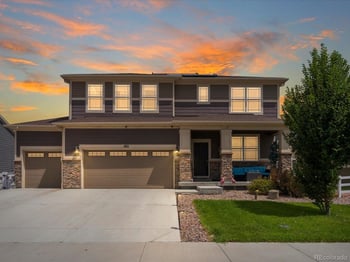
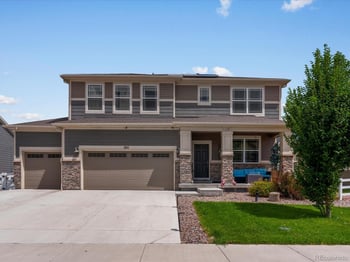
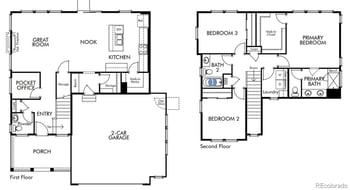
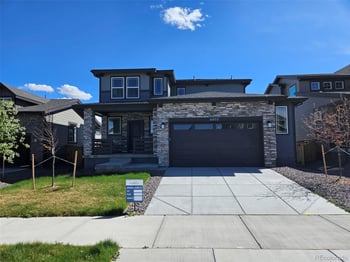
Use the listings below to compare Van Aire Airpark Homes by layout, condition, parking, location, and exact-address details before touring.

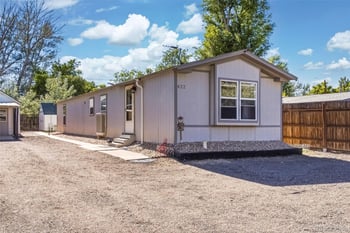
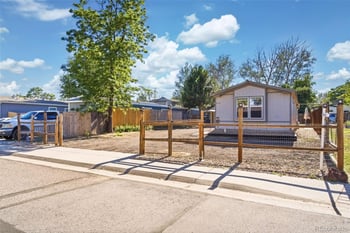
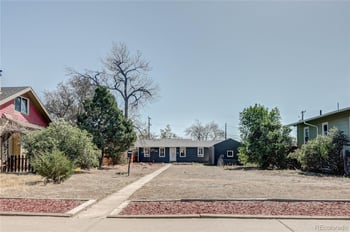
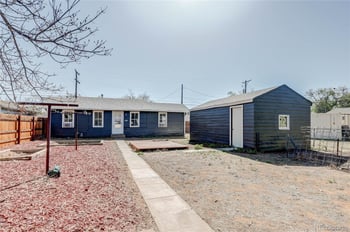
Treat the airpark label as a feature to verify, not a promise. Confirm runway or taxiway rights, hangar access, aircraft rules, and recorded easements for the exact property.
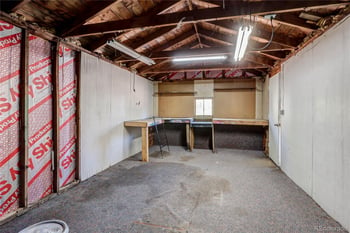
Review runway or taxiway rights, hangar use, aircraft rules, HOA or airpark documents, insurance, financing, and county records. Aircraft size limits, runway access, association dues, fuel or maintenance rules, and hangar use can affect whether the property fits your plans.
Even if you do not use aircraft, airpark covenants and easements may affect property use. Review recorded documents, noise disclosures, insurance, and resale limitations before writing.
Use Van Aire Airpark, East 160th Avenue area, I-76, E-470, Brighton, and Adams County records to compare road access, airport access, and daily service routes. Airpark access can be convenient for a specific use but still needs normal road and utility checks.
Yes. Airpark rules may cover hangars, vehicles, aircraft operations, maintenance, signs, rentals, and exterior changes.
Lenders and insurers may ask about hangars, mixed-use structures, aviation easements, or specialty improvements. Confirm these items before making offer terms too tight.
Use the legal description, plat, title work, and county records to confirm whether the listing is inside the airpark. Do not rely only on a subdivision label.
Taxiway access, hangar size, easements, utility setup, lot size, runway rights, and covenants can create major differences. Compare the recorded rights as closely as the home itself.