
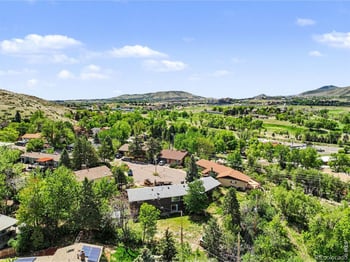

$999,000
Active Under Contract
4
Beds
3
Baths
2513
Sqft
0.34
Acres
322 Lookout View Ct, Golden, CO 80401
MLS#: RECIR1060246
Use the listings below to compare Desert Peach Homes by layout, condition, parking, location, and exact-address details before touring.


Start with the exact address, recorded subdivision, and HOA or district records. Desert Peach should be verified through Mesa County records because Clifton labels can be local shorthand.
Desert Peach is tied to Clifton in Mesa County, where neighborhood labels often depend on recorded filings and utility service. Compare access to I-70 Business Loop, 32 Road, Patterson Road, and US 6 and nearby anchors like Clifton, Palisade access, Colorado River corridor, and Grand Junction shopping corridors.
Expect detached homes with Western Slope irrigation, drainage, cooling, and utility differences by parcel. Confirm the property type in the listing because some labels can include attached homes, patio homes, or detached homes.
Yes, review covenants, irrigation obligations, utility records, and Mesa County parcel data. Rules, dues, district taxes, or design standards can change the real cost of ownership.
Review irrigation water, drainage, soils, roof wear, evaporative cooling, sewer or septic, and permit records. These checks are especially important where lots, slope, age, irrigation, or district rules change by address.
Verify city or county service area, tax district, school attendance boundary, utilities, and the legal subdivision. Nearby homes can have different records even when the marketing name is the same.
Use I-70 Business Loop, 32 Road, Patterson Road, and US 6 to compare commute routes, traffic exposure, and daily access. Proximity to Clifton, Palisade access, Colorado River corridor, and Grand Junction shopping corridors should be verified by map and address, not just neighborhood name.
Compare layout, lot usability, maintenance history, HOA clarity, and address-specific records. A cleaner fit usually has fewer unanswered questions about home type, district costs, or property condition.