New - 12 Hours Ago
$465,000
Active
3
Beds
2
Baths
1633
Sqft
0.14
Acres
596 Columbine Ave, Fort Lupton, CO 80621
MLS#: REC2286225
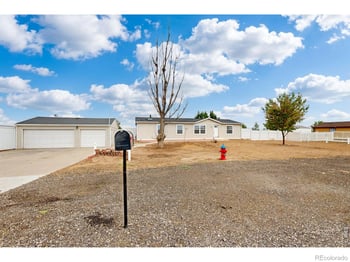
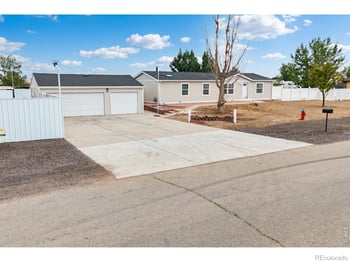
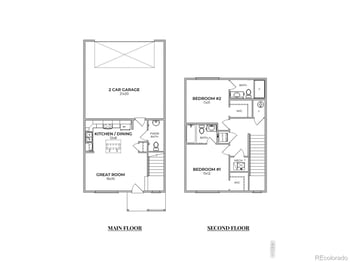
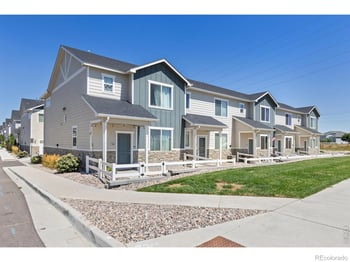
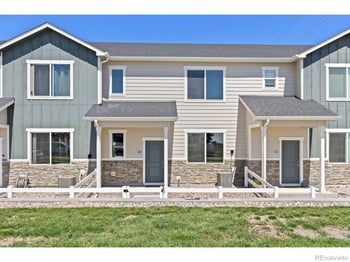
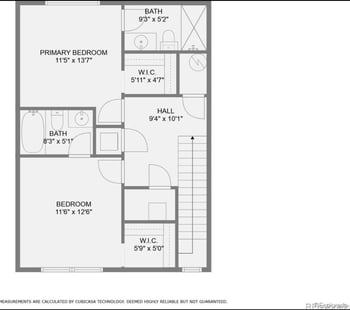
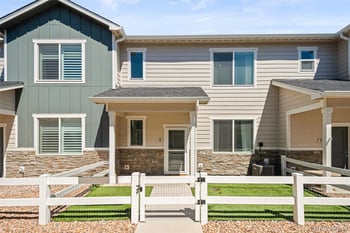
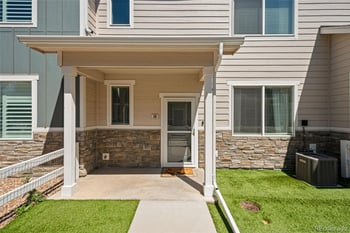
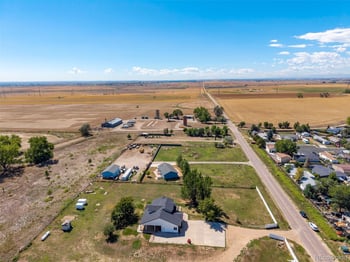
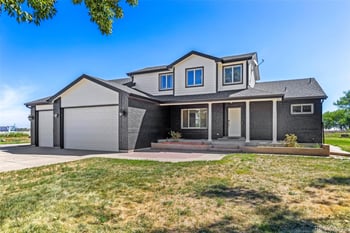
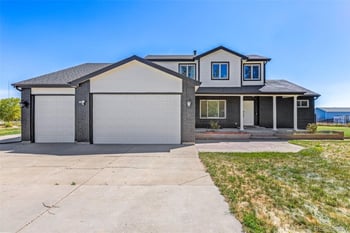
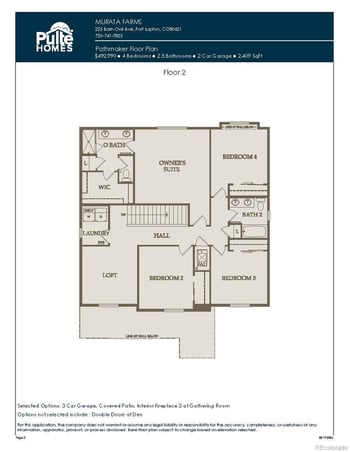
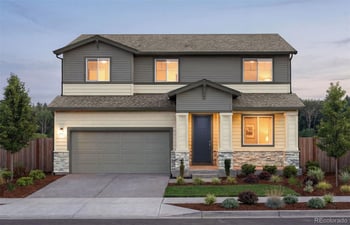




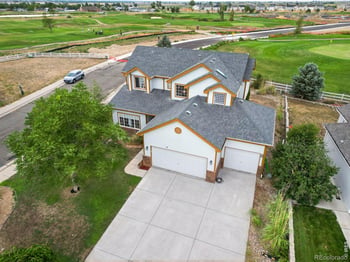
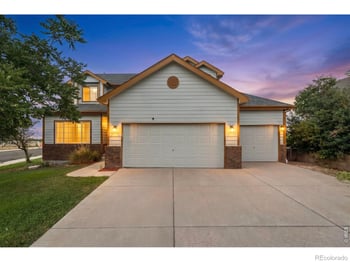


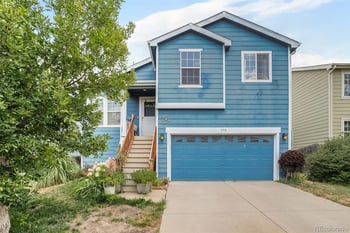
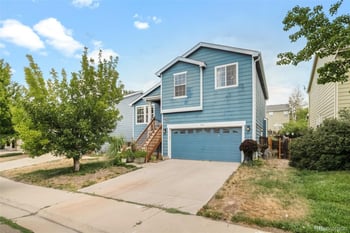
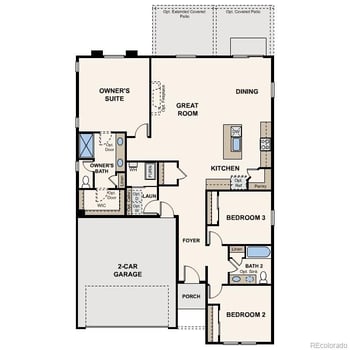
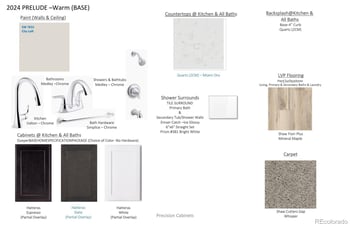
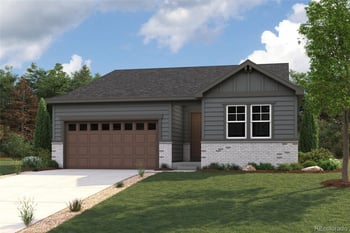
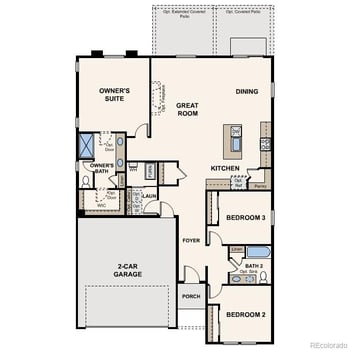
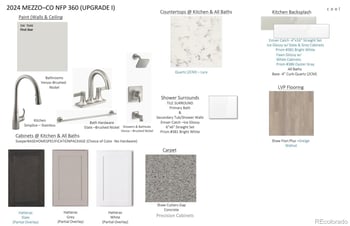
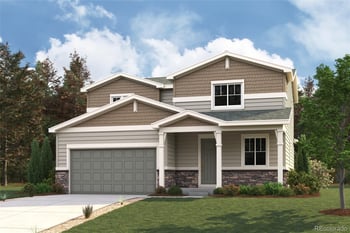
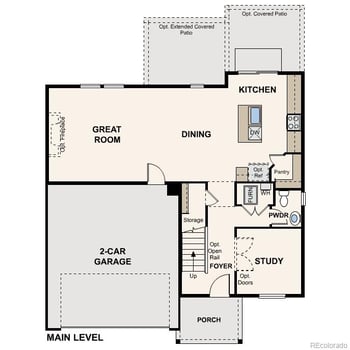
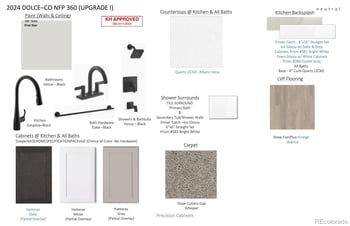
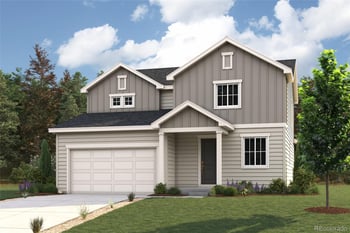
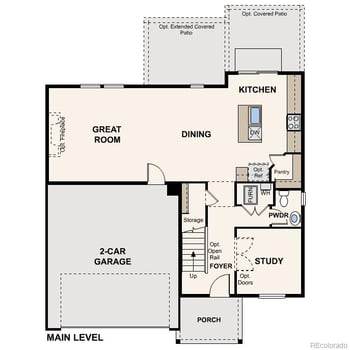
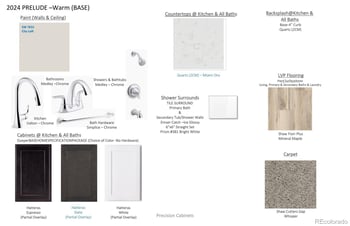
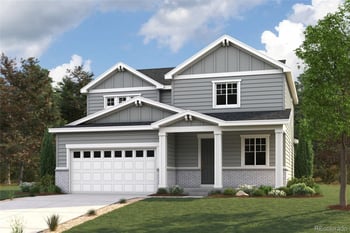
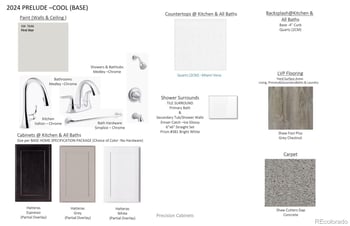
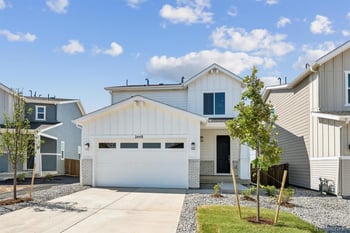
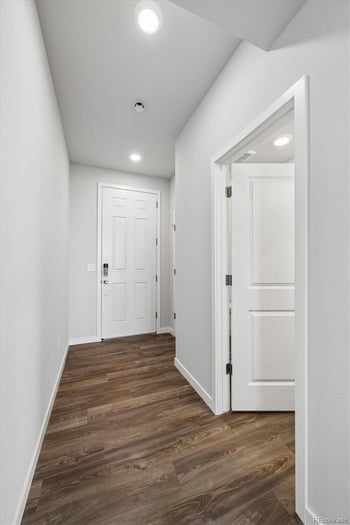


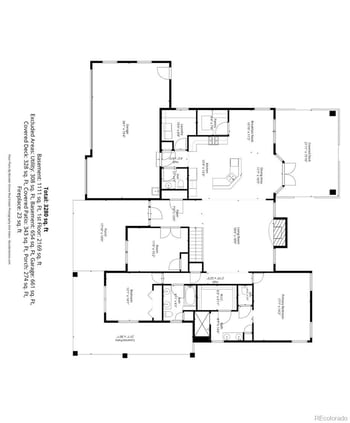
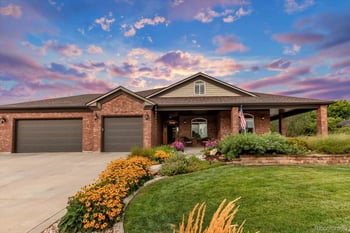
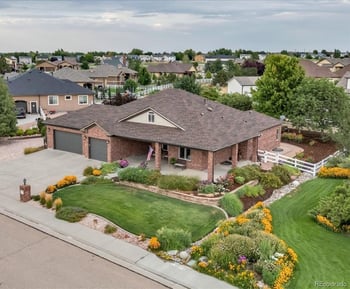
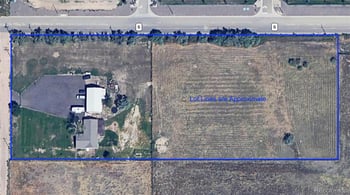
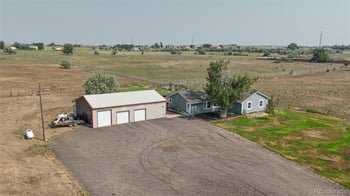
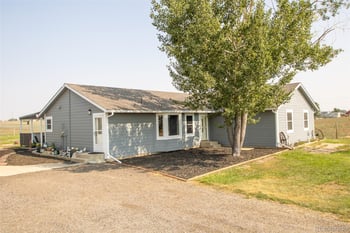
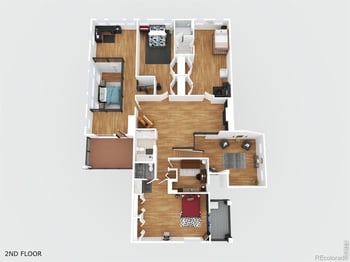
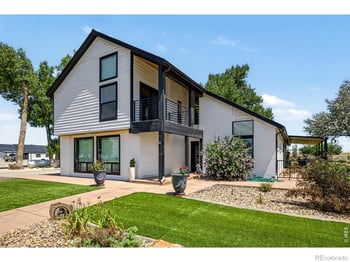
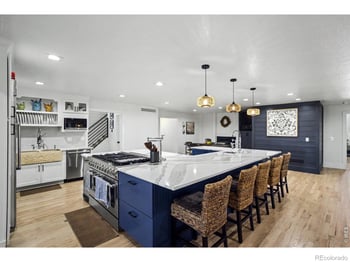
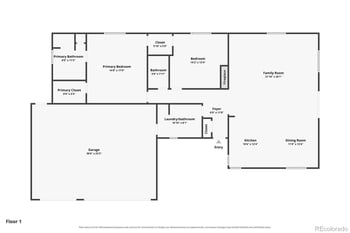
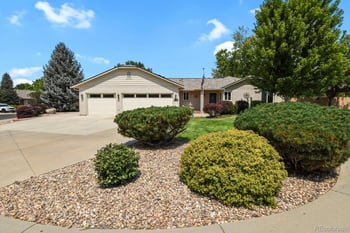

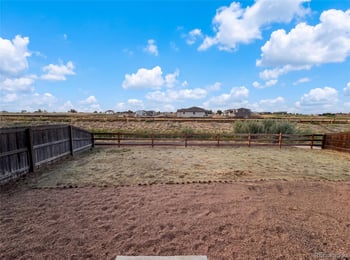
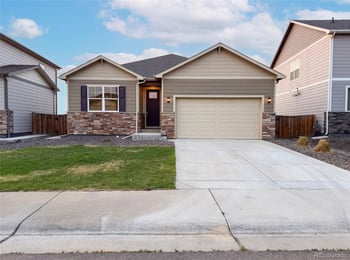
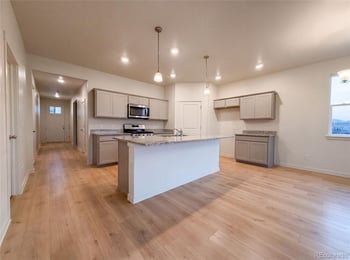
Fort Lupton listings can look simple in the grid, but the parcel can change the answer fast. Start by separating in-town homes from properties closer to the Weld County edge, then check the Weld County record for subdivision, lot size, tax districts, and legal description. A home near US 85, CO 52, or the I-76 side may feel very different from one tucked deeper into a neighborhood, even when the price and bedroom count look close.
Use the address in both the City of Fort Lupton context and the Weld County Property Portal before you rely on the listing label. Some properties use Fort Lupton in the mailing address but still need parcel-level confirmation for city services, taxes, and local rules. This matters most near the outer edges, where the buyer may be comparing Fort Lupton against Brighton, Firestone, Dacono, or rural Weld County addresses.
For newer Fort Lupton subdivision listings, look beyond the builder name and floor plan. Check whether the property has an HOA, metro district, special tax district, or recorded design rules. Fort Lupton's own tax guidance points buyers back to property-specific Weld County reports, which is exactly where district charges should be checked. The MLS may show dues, but the tax record and governing documents give the cleaner picture.
Some Fort Lupton homes are standard in-town properties, while others need a more rural-style review. If the listing mentions land, outbuildings, animals, shops, irrigation, or extra parking, ask for the parcel record, zoning or land-use notes, and utility details before you fall in love with the photos. Do not assume a use is allowed just because a neighboring property looks similar. The parcel record controls the conversation.
Compare the actual address path, not just the city name. Fort Lupton can put a buyer on US 85, CO 52, or I-76 differently than a similar home in Brighton, Firestone, Dacono, or Greeley. Use saved listings to compare drive routes, tax districts, lot size, and whether the property feels like a subdivision lot or a county-edge parcel. The right comparison often comes from the map plus the county record.
Before touring, pull the Weld County property record and look at subdivision name, account or parcel number, lot size, building details, and tax information. If the listing says finished basement, extra building, large lot, or special district, flag it for follow-up before the showing. This does not replace inspection, title, or seller disclosures, but it keeps you from wasting a tour on a property with basic record questions.
Yes, especially if your regular trips point toward Denver, Brighton, Greeley, or the airport side of the metro. A Fort Lupton home that looks close on a wide map may still have a very different route once you trace the driveway to US 85, CO 52, or I-76. Check the route during the time you would actually use it, then compare that with the home's price, lot, garage, and condition.
Ask for the Weld County parcel record, seller disclosures, any recorded covenants, utility details, and a clear list of included buildings or equipment. If the property shows a shop, barn, fenced area, or storage yard, confirm what is permitted and what is merely present. The offer should reflect the address-level facts, not just the marketing words. This is where a quick record review can save a second negotiation later.
Ask for help comparing saved Fort Lupton homes by parcel record, district charges, route access, utility notes, and property documents before you tour.