.jpg)


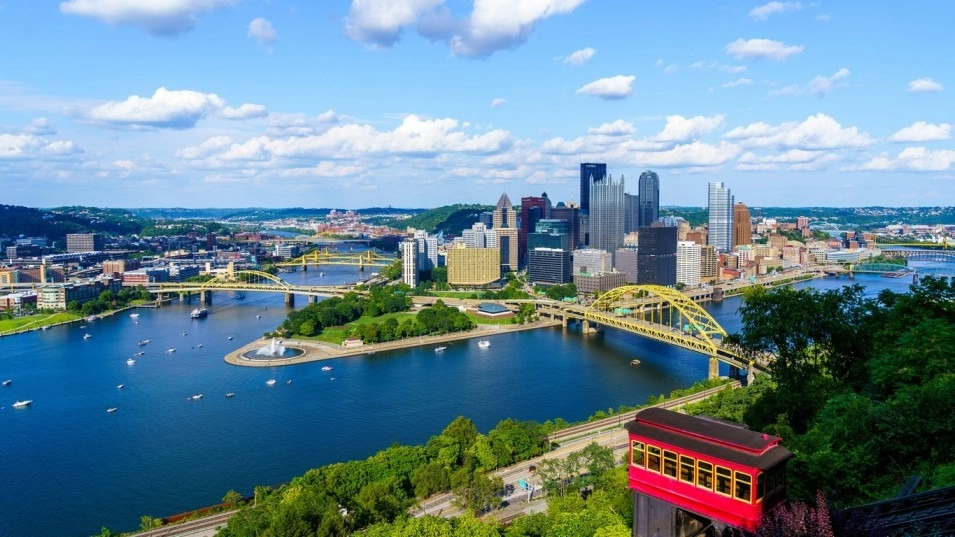
Pittsburgh, PA, known for its rich industrial history and scenic rivers, has long been a staple of American culture.
However, in recent years, there has been an increasing trend of people moving out of Pittsburgh, PA. This shift raises questions about the factors driving residents away from the Steel City and the challenges it faces in retaining its population.
Economic Factors
Both opportunities and challenges characterize Pittsburgh, PA's economic landscape. The job market has seen slow but steady growth, with total nonfarm employment reaching approximately 1,170,900 in early 2024.
However, this growth rate, which fluctuated around 1%, indicates a sluggish pace compared to national trends.
Key sectors such as manufacturing and construction showed mixed results. Manufacturing experienced a slight increase of 0.9% in employment over the past year, while construction saw a decline of 2.6%.
Despite these modest gains, the region's labor force struggles to keep up with the demand for skilled workers, which poses a significant hurdle for sustained economic development.
Pittsburgh's unemployment rate, as of April 2024, is 2.9%, a decrease from earlier months but still highlighting the region's ongoing labor market challenges. The city's economic forecast has been cautious, with concerns about attracting and retaining workers, especially in emerging industries.
Efforts by local and state governments to boost economic development include significant investments in infrastructure and technology.
For instance, Pennsylvania Governor Josh Shapiro's administration has emphasized the importance of innovation and collaboration to drive future growth.
These initiatives aim to create a more resilient economy that can better withstand external shocks and provide more stable job opportunities for residents.
Environmental Concerns
Pittsburgh, PA, faces significant environmental challenges, particularly concerning air quality and pollution. The region consistently ranks among the worst in the United States for air quality, with high levels of delicate particulate matter and smog posing severe health risks.
These pollutants contribute to elevated rates of respiratory issues, including childhood asthma and increased cancer risks. Industrial activities are a significant source of pollution, with just ten sites responsible for 60% of the area's industrial air pollution.
Despite efforts to address these issues, expanding the petrochemical industry, including new cracker plants, threatens to undermine the city's climate goals by adding substantial greenhouse gas emissions.
Additionally, water quality is a growing concern in Pittsburgh, with reports indicating that 80% of Allegheny County's water supply has detectable lead levels. This issue disproportionately affects low-income communities and communities of color, highlighting significant environmental justice concerns.
The city's Climate Action Plan 3.0 aims to mitigate these problems by reducing greenhouse gas emissions and promoting sustainability initiatives. However, the effectiveness of these measures is often overshadowed by ongoing industrial pollution and inadequate regulatory enforcement.
Local activists and organizations continue to advocate for more robust environmental protections and transparency from public officials and corporations.
Exploring New Opportunities Outside Pittsburgh?
Call or Text Kenna Real Estate Group at 303-955-4220 to get personalized assistance from our expert real estate agents. Find out what your home is worth in today's market.
Weather Conditions
Pittsburgh, PA, experiences various weather conditions throughout the year, significantly influencing daily life and long-term living decisions. The city is known for its harsh winters, heavy snowfall, and cold temperatures.
According to the National Weather Service, the winter months of late December through mid-February are particularly challenging, with above-normal precipitation and frequent snowstorms.
These conditions can make commuting difficult and contribute to higher heating costs, impacting residents' overall quality of life.
Cultural and Social Factors
Pittsburgh, PA, is rich in cultural and social diversity, reflecting its vibrant community and historical significance. The city hosts numerous cultural events and festivals, such as the Dollar Bank Three Rivers Arts Festival, which showcases a diverse lineup of music, dance, theater, and visual arts. This annual festival, organized by the Pittsburgh Cultural Trust, attracts hundreds of thousands of visitors and features performances by local and international artists across various genres, including jazz, hip-hop, classical, and more.
The festival highlights Pittsburgh's commitment to fostering a vibrant cultural scene that appeals to people of all interests and backgrounds.
Moreover, Pittsburgh's dedication to social inclusivity is evident through initiatives like Vibrant Pittsburgh, which offers customized training programs to promote workplace diversity, equity, and inclusion (DEI).
These programs address unconscious bias, empathy, and the creation of inclusive environments, aiming to build a more cohesive and supportive community. Additionally, the city's extensive calendar of Pride Month events and other cultural celebrations underscores its commitment to embracing and celebrating diversity.
These efforts create a welcoming atmosphere for all residents and visitors, fostering a sense of belonging and community engagement.
Educational Opportunities
Pittsburgh, PA, offers various educational opportunities that cater to diverse needs and interests.
The University of Pittsburgh is a critical player in the city's educational landscape, providing various programs and events to enhance student mobility and success. For instance, the Transfer Pathways Summit is an initiative to support community college students transitioning to four-year institutions.
This event features keynote speakers and breakout sessions focused on strategies to improve transfer processes and student outcomes. It reflects the university's commitment to facilitating educational advancement and collaboration across institutions.
Exploring New Opportunities Outside Pittsburgh?
Call or Text Kenna Real Estate Group at 303-955-4220 to get personalized assistance from our expert real estate agents. Find out what your home is worth in today's market.
Healthcare Access
Pittsburgh, PA, offers extensive healthcare services backed by renowned institutions and initiatives to improve access and quality of care.
The University of Pittsburgh Medical Center (UPMC) and Allegheny Health Network (AHN) are two of the major healthcare providers in the region. They are known for their advanced medical research, diverse specialties, and comprehensive patient care services.
UPMC, for instance, operates the busiest transplant center in the world, while Children's Hospital of Pittsburgh is consistently ranked among the top pediatric hospitals in the country.
These institutions attract top medical professionals and drive significant medical research and innovation in the region.
Moreover, Pittsburgh has various initiatives and programs to enhance healthcare accessibility for all residents.
The Veterans Affairs (VA) Pittsburgh Healthcare System provides specialized services to veterans, including outpatient care and emergency shelter services, with a high trust rating of 94.7% among veteran patients.
Additionally, the AIDS Free Pittsburgh initiative works towards ending the HIV/AIDS epidemic by providing comprehensive testing, prevention, and treatment services.
This program collaborates with numerous healthcare providers and community organizations to ensure that those living with HIV have access to the necessary resources and support.
Transportation Issues
Pittsburgh, PA, faces numerous transportation challenges, significantly impacting daily commutes and overall mobility within the city.
One major issue is the ongoing rehabilitation of the light-rail network, known as "the T." This $150 million project includes extensive repairs to concrete rail foundations, track replacements, station upgrades, and the overhaul of the Panhandle Bridge.
These construction activities began in April 2024 and resulted in rolling closures and significant detours, disrupting services and extending commute times for many residents. The project is expected to continue with various construction phases through 2028, necessitating patience and adaptability from the commuting public.
Housing Market
The housing market in Pittsburgh, PA, has experienced notable changes in 2024, reflecting broader economic trends and local dynamics.
As of early 2024, the median listing price for homes in Pittsburgh is approximately $256,617, with homes selling for an average of 1.85% below the asking price.
The market has a relatively high inventory, with 2,362 homes currently listed for sale. New listings are also robust, with 536 new properties entering the market in March 2024 alone.
This influx of new listings provides potential buyers various options, contributing to the market's current buyer-friendly conditions.
Despite the increase in inventory, home prices have shown a mixed trend. While the average home value has decreased by 42.3% over the past year, some neighborhoods have seen significant price increases.
For example, the median listing price in Point Breeze has risen to $577,500, making it one of the more expensive areas in the city. Conversely, more affordable neighborhoods like Sheraden have a median listing price of $62,000.
The overall market forecast for the Pittsburgh Metropolitan Statistical Area (MSA) anticipates modest growth of 0.4% by April 2024, followed by a further 0.5% increase by June 2024.
However, a slight decline of 0.3% is expected by March 2025, reflecting the complex interplay of economic factors, demographic shifts, and housing supply and demand.
Exploring New Opportunities Outside Pittsburgh?
Call or Text Kenna Real Estate Group at 303-955-4220 to get personalized assistance from our expert real estate agents. Find out what your home is worth in today's market.
Safety and Crime Rates
Pittsburgh, PA, faces significant safety and crime challenges, which impact residents' daily lives and overall sense of security. According to NeighborhoodScout, the city has a crime rate of 36 per 1,000 residents, making it one of the highest crime areas in the United States.
This rate means that residents have a 1 in 28 chance of becoming a victim of either violent or property crime. Violent crimes in Pittsburgh, such as assault, robbery, and murder, are notably high, with a violent crime rate of 5.67 per 1,000 residents. The chance of becoming a victim of a violent crime in Pittsburgh is 1 in 177, which is significantly higher than the state average.
Property crime is also a significant concern in Pittsburgh. The city experiences a property crime rate of 30.36 per 1,000 residents, which includes burglary, theft, motor vehicle theft, and arson. This translates to a 1 in 33 chance of being a victim of property crime.
Notably, Pittsburgh has one of the highest rates of motor vehicle theft in the nation, with a 1 in 260 chance of having a vehicle stolen. Despite these high crime rates, some areas within Pittsburgh are considered safer than others. For example, the southwest part of the city is generally perceived as safer, with lower crime rates than other regions.
Recreational Opportunities
Pittsburgh, PA, offers a wide range of recreational opportunities that cater to residents and visitors of all ages. The city's robust park system includes over 240 acres of green space in the Mt. Washington, Duquesne Heights, and Allentown neighborhoods, managed by the Pittsburgh Parks Conservancy.
These parks provide ample opportunities for hiking, picnicking, and enjoying the region's natural beauty. Pittsburgh has numerous summer camps for children, covering diverse interests such as sports, drama, music, arts and crafts, technology, and robotics.
These camps, detailed in guides like the one from KidsOutAndAbout, offer structured and engaging activities throughout the summer, ensuring that children have enriching experiences while school is out.
For sports enthusiasts, the Petersen Events Center at the University of Pittsburgh offers a premier venue for various athletic events, including Division I basketball. This facility also hosts concerts, commencements, and other large-scale events, making it a central hub for sports and cultural activities.
Furthermore, the Pittsburgh Zoo & Aquarium provides unique volunteer opportunities, allowing community members to engage with conservation efforts and support the maintenance of the zoo's facilities. Programs like the Zoo Teen Program and the docent program offer immersive experiences for those interested in wildlife and environmental education.
Conclusion
In summary, the reasons for people moving out of Pittsburgh, PA, are multifaceted, encompassing economic, environmental, social, and political factors. While the city has many strengths, these challenges create a compelling case for residents seeking better opportunities and quality of life elsewhere.
Addressing these issues will be crucial for Pittsburgh's future growth and retention of its population.
Hiring a professional moving company can significantly ease the transition for those planning to move to Pittsburgh. These movers in Pittsburgh, PA, transport your belongings, help you navigate the city, and find your bearings.
Whether you're using public transit or exploring by car, moving companies can help you settle into your new home and get acquainted with Pittsburgh's vibrant community.