.jpg)


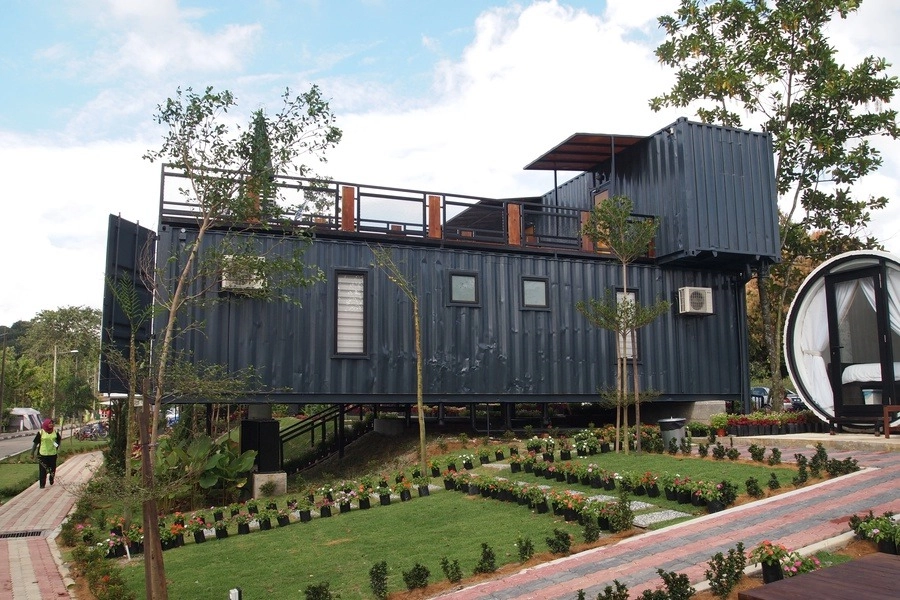
Shipping container buildings are becoming a popular choice for homeowners and DIY builders looking for versatile, creative, and cost-effective construction solutions. While the container itself offers a sturdy frame, the right foundation is essential to ensure stability, durability, and proper functionality. Here’s a breakdown of the foundation options for shipping container buildings, tailored to suit every need—from quick setups to long-term projects.
Temporary Structures: Simple and Quick Solutions
When you’re working on a short-term project, a simple foundation can get the job done quickly and with minimal cost. Temporary options like concrete blocks or wooden beams are perfect for structures like garden sheds, tool storage, or pop-up retail spaces.
These foundations are incredibly straightforward to set up, requiring little more than a level surface and some basic building supplies. Concrete blocks, in particular, are sturdy and widely available, while wooden beams are easy to adjust if you need to relocate the structure later.
Semi-Permanent Structures: Balancing Stability and Flexibility
For backyard offices, guest rooms, or any structure you’d like to keep around for a few years, semi-permanent options offer the perfect solution. Gravel pads or compacted earth foundations are excellent choices for these types of projects. Gravel pads are especially popular because they provide good drainage, minimizing water exposure beneath your container. Compacted earth foundations require extra effort during site prep but can be a solid solution for slightly uneven surfaces.
Permanent Structures: Solid and Secure Foundations
If your shipping container project is a permanent home or a commercial building, your foundation should be built to last. Options such as concrete slabs or pier foundations are the gold standard for heavy-duty stability. A concrete slab provides a smooth, level surface while offering excellent resistance to shifting soil or weather conditions. On the other hand, pier foundations lift the container off the ground, making them a great option for areas prone to flooding or uneven terrain.
While these types of foundations require a higher upfront investment and more time to construct, they offer unmatched stability and ensure your structure will stand strong for decades.
DIY Considerations
Whether you’re opting for a temporary or permanent foundation, there are a few things to keep in mind before getting started. First, always check your local building codes to ensure your project meets all permits and requirements. Neglecting this step could delay your progress or result in fines later.
It’s also important to follow proper site preparation tips for container placement, especially for uneven or soft ground. Take the time to level and compact the area to avoid foundation settling down the line. And, of course, prioritize safety at every step, from excavating the site to placing the container on your chosen foundation.
Choosing the Right Foundation for Your Needs
When reviewing the foundation options for shipping container buildings, there’s no one-size-fits-all solution. A quick, temporary foundation may work for a tool shed, but a durable option like a concrete slab will serve you best for long-term homes. Tailor your choice to the structure’s purpose, the terrain of your site, and how long you plan to use it. By choosing wisely and preparing your site, you’ll set yourself up for success, no matter the scale of your container project.