.jpg)


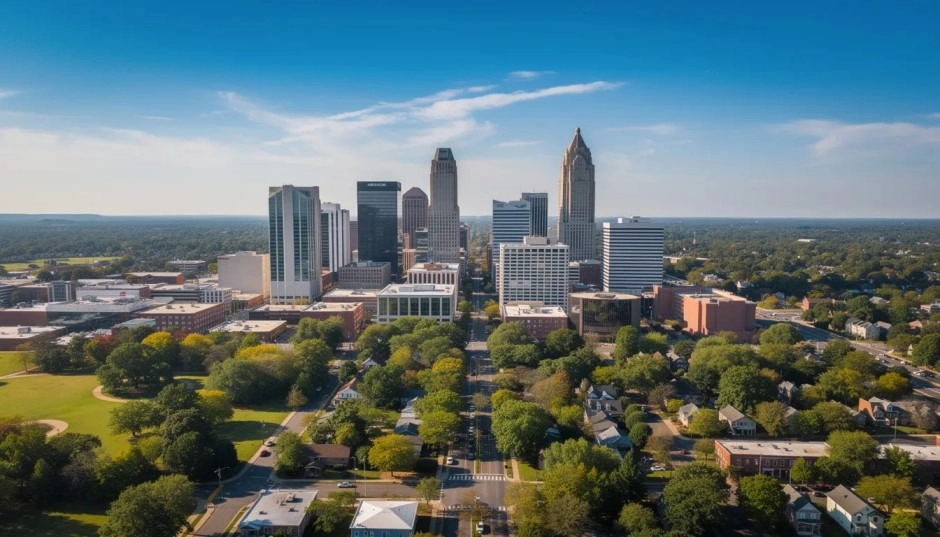
Raleigh isn’t just the capital of North Carolina—it’s become one of the most sought-after destinations for homebuyers across the country. The city’s combination of Southern charm, a strong job market, and relative affordability compared to other major metropolitan areas has driven steady population growth throughout 2025. Whether you’re relocating for a position at one of the many employers near Research Triangle Park, seeking a family-friendly neighborhood with excellent schools, or looking for downtown living with urban convenience, Raleigh delivers.
But with dozens of distinct neighborhoods scattered across Wake County, finding the right fit can feel overwhelming. That’s precisely why we developed this comprehensive guide. Drawing from 2025 sales data, school performance metrics, and on-the-ground insights from local real estate professionals, we’ve ranked the best neighborhoods in Raleigh, NC, to help you make a confident decision in 2026.
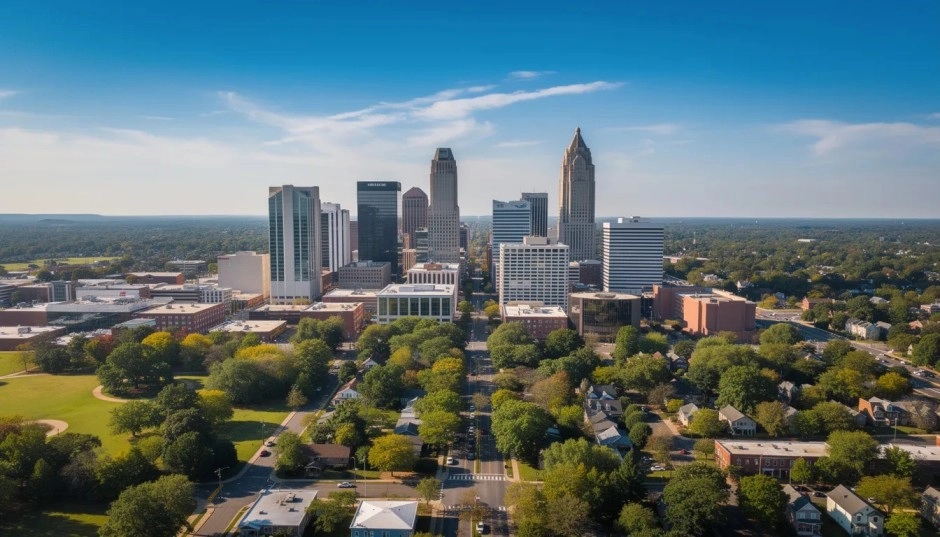
Key Takeaways for 2026 Homebuyers in Raleigh
Raleigh continues to outpace national trends in population growth and housing demand. The combination of major employers in the Research Triangle, world-class universities like North Carolina State University, and a relatively low cost of living compared to coastal metros has made this city a magnet for relocating professionals and growing families. As we head into 2026, understanding the 2025 market data is essential for making smart buying decisions.
Here’s what the numbers tell us:
- Overall Raleigh median home price in 2025: Approximately $430,000–$460,000, based on Redfin and Triangle MLS data from Q1–Q3 2025
- Year-over-year appreciation: Prices rose approximately 3–5% from 2024 to 2025, reflecting continued demand despite higher interest rates
- Average days on market: Homes in competitive neighborhoods in Raleigh spent roughly 25–35 days on market, with desirable areas often seeing faster sales
- List-to-sale price ratio: Sellers received approximately 98–100% of the asking price on average, with premium neighborhoods frequently exceeding the list price
- Employment drivers: Jobs at Research Triangle Park, healthcare systems like WakeMed and Duke Health, and university positions continue to fuel in-migration from across the country
- Local insight gathering: The data and perspectives in this guide come from market analysis by The Kenna Real Estate Group, combined with seller surveys, buyer interviews, and neighborhood drive-throughs conducted by Sell My Home Fast Raleigh
This ranked list uses 2025 sales data, school scores from Wake County Public Schools and Niche, commute times to major job centers, and lifestyle amenities to help you identify the best neighborhoods in Raleigh for your 2026 move.
Looking for a Realtor Referral in Raleigh, NC?
Let us help you. Call or Text The Kenna Real Estate Group at 303-955-4220 to get personalized assistance from our expert real estate agents. Find out what your home is worth in today's market.
How We Ranked Raleigh’s Best Neighborhoods for 2026
Creating a meaningful ranking requires more than just pulling median home prices from a database. Our list is data-informed but also grounded in real-world experience from the Sell My Home Fast Raleigh team and The Kenna Real Estate Group advisors who regularly tour these neighborhoods, meet with buyers and sellers, and track micro-market trends that don’t always show up in aggregate statistics.
Here’s what we evaluated for each Raleigh neighborhood:
- 2025 median sale price and 3-year appreciation trend (2022–2025): We looked at both current affordability and how values have grown, using Redfin and Zillow data
- School quality: We referenced Wake County Public School System performance data, along with GreatSchools and Niche ratings for elementary, middle, and high schools
- Commute to major job hubs: Drive times to downtown Raleigh, NC State campus, RTP, and RDU Airport factored heavily for working professionals
- Crime and safety trends: We consulted Raleigh Police Department crime maps and neighborhood-level safety statistics where available
- Walkability, parks, and greenways: Access to green spaces, walking paths, and recreational facilities influenced livability scores
- Dining, retail, and community events: The presence of local restaurants, shopping centers, coffee shops, and neighborhood gatherings added to the overall appeal
All pricing and statistics reflect Q1–Q3 2025 data and may shift slightly by the time you’re actively shopping in 2026. This guide focuses primarily on Raleigh city neighborhoods, with a brief overview of close-in suburbs included later for comparison.
1. North Hills (Midtown Raleigh’s Lifestyle Powerhouse)
If you’ve spent any time researching Raleigh real estate, you’ve likely encountered North Hills—often called “Midtown Raleigh.” What started as a 1960s suburban area has transformed into one of the most desirable mixed-use districts in the Triangle. The neighborhood combines luxury homes and condos with walkable streets, upscale shopping, and a calendar packed with community events.
North Hills attracts a diverse mix of residents: young professionals who appreciate the “park once” lifestyle, families seeking excellent schools without sacrificing urban convenience, and retirees who want resort-style amenities without leaving the city. The area’s modern conveniences are balanced by mature trees and established residential streets, giving it more character than typical new-construction developments.
2025 Median Home Prices:
- Single-family homes: Approximately $700,000–$850,000
- Condos and townhomes: $350,000–$550,000 depending on size and finishes
- Source: Redfin and Zillow neighborhood data
Why North Hills Ranks #1:
- Housing stock: The neighborhood features 1960–1980s brick ranches and split-levels alongside 2000s–2020s luxury infill and townhomes. Many original homes have been extensively remodeled inside while retaining large lots and established landscaping.
- Top-rated schools: Families have access to highly regarded schools, including Brooks Museums Magnet Elementary, Carroll Middle, and Sanderson High School. Wake County Public Schools data from 2024–2025 shows strong performance across grade levels.
- Amenities and lifestyle: The North Hills shopping center anchors the area with over 130 shops, restaurants, and services. Midtown Park hosts concerts, seasonal events such as the Midtown Beach Music Series, and year-round outdoor fitness activities.
- Prime location: A 10–15 minute drive to the city center makes this neighborhood ideal for downtown workers who want suburban comfort without a lengthy commute
- Strong resale values: Low inventory in 2025 kept competition high, with well-priced homes often receiving multiple offers within days
- The Kenna Real Estate Group frequently works with relocating professionals who choose North Hills for its walkable lifestyle and quick access to I-440 and I-540.
2. Oakwood (Historic Charm on the Edge of Downtown)
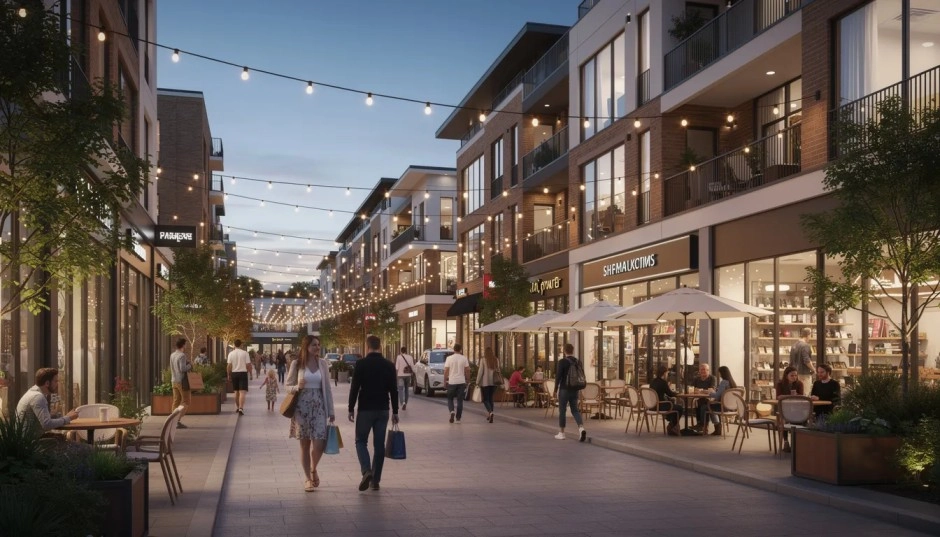
For buyers who want historic homes with architectural character, Historic Oakwood delivers like no other Raleigh neighborhood. Designated as Raleigh’s first local historic district, Oakwood features Victorian, Queen Anne, and early 20th-century homes with the kind of craftsmanship and detail you can’t find in new construction. The neighborhood is walkable to downtown and uniquely combines historic charm with urban convenience.
Oakwood’s tree-lined streets, brick sidewalks, and front-porch culture create a welcoming atmosphere that draws professionals, creatives, and downsizing empty nesters who prioritize walkability and community connection over square footage.
Looking for a Realtor Referral in Raleigh, NC?
Let us help you. Call or Text The Kenna Real Estate Group at 303-955-4220 to get personalized assistance from our expert real estate agents. Find out what your home is worth in today's market.
2025 Median Home Prices:
- Overall median: Approximately $800,000–$900,000
- Fully renovated homes on larger lots frequently exceed $1M
- Source: 2025 MLS data via Redfin
What Makes Oakwood Special:
- Architecture and history: Victorian-era homes with original woodwork, wraparound porches, and period details define the streetscape. Historic Oakwood Cemetery, dating to 1869, adds to the neighborhood’s sense of place.
- Proximity to downtown: A 10–15 minute walk brings you to restaurants along Person Street, the State Capitol, the North Carolina Museum of History, and the Museum of Natural Sciences
- Community events: The Historic Oakwood Candlelight Tour in December draws visitors from across the Triangle. Halloween brings elaborate decorations and neighborhood-wide celebrations.
- Demographics: Long-term owner-occupants create stability, while newer buyers often include professionals working downtown and creative types attracted to the architectural styles
- Limited inventory: High prices reflect tight supply and the cost of historically sensitive renovations. The Raleigh Historic Development Commission guidelines ensure preservation, but also constrain new supply.
- The Kenna Real Estate Group agents advise buyers to be prepared for multiple-offer scenarios in Oakwood and to budget for ongoing maintenance of older homes.
3. Five Points (Central, Community-Oriented, and Character-Filled)
The Five Points area is actually a collection of several small historic neighborhoods—Hayes Barton, Bloomsbury, Georgetown, and Vanguard Park—centered around the iconic Five Points intersection north of downtown. This is where Raleigh’s front-porch culture thrives, with walkable streets, local shops, and a vibrant community that takes its neighborhood associations seriously.
Five Points offers a demanding lifestyle to replicate: character-filled homes from the 1920s through 1940s, easy access to downtown, and a social scene anchored by neighborhood bars, restaurants, and the revived Rialto Theater.
2025 Median Home Prices:
- Overall Five Points area: Approximately $900,000+
- Hayes Barton: Often exceeds $1.3M for larger historic homes
- Source: Redfin and Triangle MLS
Why Buyers Love Five Points:
- Walkability and lifestyle: Glenwood Ave and Fairview Road feature local restaurants, craft beer spots, coffee shops, and boutiques. The neighborhood has a strong sense of community that shows up in block parties and seasonal events.
- Housing mix: Expect 1920s–1940s bungalows and cottages alongside classic brick colonials and some newer infill. Tree-lined streets, mature trees, and sidewalks emphasize the front-porch culture that defines this area.
- Schools and parks: Proximity to Underwood Magnet Elementary and nearby parks such as Roanoke Park and Fallon Park make this attractive to young families. 2024–2025 school ratings from Niche show strong performance
- Buyer profile: Popular with families seeking character homes and shorter downtown commutes (about 8–10 minutes). Neighborhood association presence is strong, creating a vibrant community atmosphere.
- Price considerations: Property taxes and prices are on the higher side, making this more of a “move-up” destination than an entry-level purchase
- The Kenna Real Estate Group often helps buyers compare Five Points, Oakwood, and North Hills when they want historic charm combined with a central location.
4. Brier Creek (Best for Frequent Flyers and RTP Commuters)
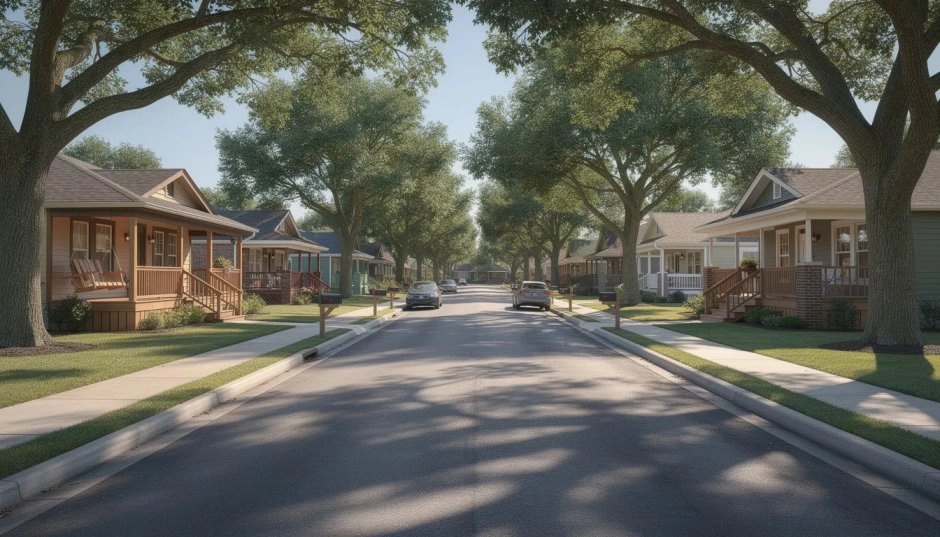
If your job involves regular travel through RDU Airport or a daily commute to Research Triangle Park, Brier Creek deserves serious consideration. This northwest Raleigh hub straddles I-540 and US-70, offering arguably the most convenient access to both the airport and RTP of any Raleigh neighborhood.
Brier Creek is a large planned community that caters to dual-career households, growing families, and professionals who want newer homes with resort-style amenities without sacrificing access to urban conveniences.
2025 Median Home Prices:
- Overall neighborhood: Low-to-mid $500,000s
- Townhomes: Mid-$300,000s to low $400,000s
- Golf course and estate homes: $800,000+
- Source: Redfin and Zillow
Looking for a Realtor Referral in Raleigh, NC?
Let us help you. Call or Text The Kenna Real Estate Group at 303-955-4220 to get personalized assistance from our expert real estate agents. Find out what your home is worth in today's market.
Why Brier Creek Works for Commuters:
- Housing types: The neighborhood offers condos, townhomes, single-family homes, and gated golf course properties—most built from the early 2000s onward. There’s something for first-time homebuyers through move-up families.
- Amenities: Brier Creek Commons shopping center provides grocery stores, restaurants, and retail. Brier Creek Country Club features an Arnold Palmer-designed golf course, pools, tennis courts, and club dining.
- Commute efficiency: Approximate drive times—10–15 minutes to RDU, 15–20 minutes to RTP, and 20–25 minutes to downtown Raleigh—make this ideal for professionals juggling multiple destinations.
- Schools: Access to Wake County public schools, plus nearby charter and private school options. Niche ratings show solid performance for families seeking excellent schools.
- 2025 market dynamics: Data shows solid appreciation but slightly more inventory than core downtown area neighborhoods, which may give 2026 buyers a bit more negotiating room
- Sell My Home Fast Raleigh reports powerful investor and relocation interest in Brier Creek due to rentability and commuter appeal.
5. Downtown Raleigh (Urban Energy and New Construction Options)
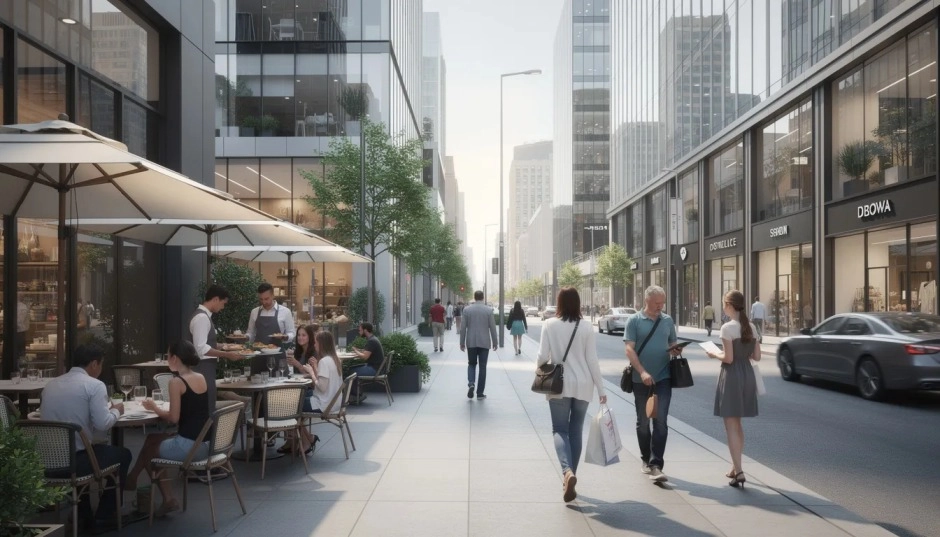
Downtown Raleigh has transformed dramatically over the past decade, evolving from a quiet government district into a vibrant urban core with new high-rise condos, converted warehouses, and a thriving food and entertainment scene. For buyers who want downtown living with walkability to everything, this is where to focus your search.
The trade-off? Limited single-family homes inside the core mean most buyers are looking at condos, lofts, and townhomes. But for remote workers, young professionals, and empty nesters downsizing from the suburbs, that’s often precisely what they want.
2025 Median Home Prices:
- Condos and townhomes: $450,000–$550,000
- Small single-family homes (in adjacent areas): Often higher, depending on the micro-neighborhood
- Source: Redfin “Downtown Raleigh” submarket data
What Downtown Living Offers:
- Housing inventory: Modern condos, lofts, and townhomes built mainly after 2005 dominate the market. Adjacent districts like Boylan Heights and Prince Hall offer historic homes for those wanting more traditional options.
- Lifestyle: Walk to Fayetteville Street, the Warehouse District, Moore Square, Red Hat Amphitheater, and dozens of restaurants and breweries along Glenwood Ave. You can see the city skyline from many rooftop lounges and condos.
- Cultural attractions: First Friday art walks, Hopscotch Music Festival, food truck rodeos, and year-round events at City Plaza create constant entertainment options
- Buyer profile: Young professionals, remote workers seeking urban convenience, and empty nesters downsizing from suburban lifestyle properties
- 2025 trends: Ongoing condo projects and rezoning around the Warehouse District and Glenwood South keep inventory somewhat dynamic, creating opportunities alongside construction-related disruptions
- The Kenna Real Estate Group recommends downtown for buyers who prioritize experience, amenities, and appreciation potential over yard size and quiet streets.
6. Wakefield and Falls River (North Raleigh Suburban Favorites)
For families seeking more space, larger yards, and strong schools without leaving Wake County, the north Raleigh corridor offers compelling options. Wakefield and the nearby Falls River and Bedford neighborhoods are among the best suburban lifestyle communities in the area, complete with golf courses, greenways, pools, and active neighborhood associations.
These neighborhoods attract families who prioritize square footage, outdoor recreation, and top-rated schools over walkability to urban amenities.
2025 Median Home Prices:
- Wakefield: Low-to-mid $600,000s for single-family homes (golf course and estate homes higher)
- Falls River/Bedford: Low-to-mid $400,000s to low $500,000s
- Source: Redfin and Zillow 2025 data
Looking for a Realtor Referral in Raleigh, NC?
Let us help you. Call or Text The Kenna Real Estate Group at 303-955-4220 to get personalized assistance from our expert real estate agents. Find out what your home is worth in today's market.
Why Families Choose North Raleigh:
- Wakefield: This master-planned community centers on The Country Club at Wakefield Plantation, featuring pools, tennis courts, and a championship golf course. Homes built mainly in the late 1990s through the 2010s sit on larger suburban lots with mature landscaping.
- Falls River and Bedford at Falls River: These neighborhoods offer a strong sense of community, regular community events, and direct access to the Neuse River Greenway for biking and running. Front-porch streetscapes and sidewalks create neighborhood character.
- Schools: Well-regarded schools in north Raleigh serve these communities. 2024–2025 scores from Niche and Wake County Public Schools data show strong performance at the middle and high school levels
- Commute considerations: Expect approximately 25–35 minutes to downtown Raleigh and 30–40 minutes to RTP, depending on traffic
- According to Sell My Home Fast Raleigh’s 2025 seller data, north Raleigh families often “move up” within the same area rather than leaving it, reflecting satisfaction with schools and amenities.
- The Kenna Real Estate Group often points young families here when they want more square footage, yards, and community pools compared to closer-in neighborhoods at similar price points.
Other Notable Raleigh Neighborhoods to Watch in 2026
Not every neighborhood made our top tier, but several areas deserve attention from 2026 buyers—especially those seeking better value or emerging opportunities.
- South Park: This historic neighborhood just south of downtown features 1930s–1950s homes alongside new construction. Median prices remained relatively moderate in 2025, with strong potential as downtown expands southward.
- Mordecai neighborhoods: Located north of Oakwood, Mordecai offers historic homes plus infill townhomes within walking distance to the Person Street corridor. 2025 median prices fell in the upper-mid range, attracting professionals who want Mordecai neighborhoods' character at slightly lower prices than Oakwood
- Stonehenge: This established north Raleigh neighborhood offers mid-priced single-family homes, active local clubs, and good schools. Attractive for buyers seeking long-term stability without premium pricing
- Cameron Village and Village District area: Older ranches and townhomes near the Village District shopping center offer walkable, central living popular with NC State faculty, students’ families, and downsizing retirees. The proximity to Hillsborough Street adds to the appeal.
- 2026 opportunity: Buyers who can’t quite reach top-ranked neighborhoods may find similar lifestyles and better price points in these “next up” districts
Best Raleigh Suburbs Near the City (Quick Overview)
While this guide focuses on Raleigh city neighborhoods, many buyers The Kenna Real Estate Group works with also consider surrounding communities just outside city limits. Here’s a quick comparison:
- Cary: Known for top-tier public schools, low crime, and exceptional quality of family life. 2025 median prices landed in the mid- to upper $500,000s. Ideal for tech workers commuting to RTP with easy access to I-40 and I-540
- Wake Forest: Offers a charming historic downtown plus newer master-planned communities. The 2025 median home prices came in slightly below Cary. Popular with families seeking a small-town feel within commuting distance of Raleigh and Durham
- Knightdale: Located east of Raleigh with convenient access to I-540 and US-64. 2025 prices proved more affordable than Raleigh’s core neighborhoods. A growing parks and greenway system adds appeal.
- Holly Springs: Southwest of Raleigh, this fast-growing suburb offers new construction, strong amenities, and a family-oriented atmosphere. Attracts families seeking modern homes with good school district options
- Fuquay-Varina: South of Raleigh with dual historic downtowns and an intense local business scene. Relatively affordable new construction made it attractive for first-time homebuyers and growing families in 2025
- Chapel Hill: Located west of Raleigh, Chapel Hill offers a university-town atmosphere with excellent schools. Higher price points, but strong cultural attractions and dining options
The Kenna Real Estate Group helps clients compare city vs. suburban options based on commute requirements, budget constraints, and lifestyle preferences.
How to Choose the Right Raleigh Neighborhood for You
Rankings provide a starting point, but “best” is ultimately subjective. Your ideal neighborhood depends on your specific priorities—whether that’s walkability, school quality, commute time, or architectural styles. Here’s how to narrow down your search:
- Define your budget clearly: With 2025 mortgage rates hovering around 6–7%, monthly payments vary significantly. Rough estimates: a $400,000 home means approximately $2,500–$2,800/month; $600,000 means $3,700–$4,200/month; $800,000 means $5,000–$5,500/month (including taxes and insurance)
- Rank your priorities: Decide what matters most—excellent schools, walkable streets, short commute, yard size, new vs. historic homes, nightlife vs. quiet streets. No neighborhood excels at everything.
- Visit at different times: Tour target neighborhoods during morning commutes, in the evening, and on weekends. Stop into local parks, grocery stores, and coffee shops to gauge the real-life atmosphere.
- Use data and local experts: Combine online tools such as Redfin, Zillow, Niche, and the City of Raleigh crime maps with insights from The Kenna Real Estate Group agents who regularly tour these areas.
- For sellers considering 2026: Consult early with Sell My Home Fast Raleigh to understand neighborhood pricing trends, buyer expectations, and which improvements offer the best return on investment before listing.
Looking for a Realtor Referral in Raleigh, NC?
Let us help you. Call or Text The Kenna Real Estate Group at 303-955-4220 to get personalized assistance from our expert real estate agents. Find out what your home is worth in today's market.
Frequently Asked Questions About Raleigh Neighborhoods (2026)
What is the most affordable “good school” neighborhood in Raleigh right now?
North Raleigh pockets like Durant Trails and parts of Falls River offer access to strong Wake County schools, with 2025 median prices in the low-to-mid $400,000s—well below the high prices in expensive neighborhoods inside the beltline. Eastern Raleigh, near Knightdale, also provides value by expanding school options.
Is Raleigh still a seller’s market in 2025?
Yes, though it’s more balanced than the peak pandemic years. 2025 data shows approximately 2–3 months of inventory, with average days on market of 25–35. Desirable neighborhoods remain competitive, with multiple offers, suggesting 2026 will continue to favor sellers in prime locations.
Where should I buy if I work in RTP but want to live in Raleigh?
Brier Creek offers the best combination of a Raleigh address and an RTP commute (15–20 minutes). North Raleigh, near I-540, and parts of west Raleigh, near Umstead State Park, also provide reasonable access while maintaining Raleigh city benefits.
Are HOA communities or non-HOA neighborhoods more common?
Newer planned communities like Wakefield, Brier Creek, and Bedford at Falls River almost always have HOAs managing amenities, architectural standards, and common areas. Older neighborhoods like Oakwood, Five Points, and Hayes Barton typically have no HOA, giving homeowners more flexibility but also more individual maintenance responsibility.
What are property taxes like in Raleigh?
Wake County’s 2024–2025 effective property tax rate runs approximately 0.85–0.95% of assessed value. On a $500,000 home, expect annual property taxes around $4,250–$4,750. Rates can vary slightly by municipality and any special districts. This remains below the national average for comparable metros.
What’s the difference between living inside vs. outside the beltline?
“Inside the Beltline” (ITB) refers to neighborhoods within I-440, generally meaning closer-in, often historic areas with higher prices and more walkability. Outside the beltline typically means newer construction, larger lots, and a more suburban lifestyle—often at lower price points but with longer commutes to downtown.
Working With The Kenna Real Estate Group and Sell My Home Fast Raleigh
This guide was produced for The Kenna Real Estate Group readers, using market data and local insights from Sell My Home Fast Raleigh. Our goal is to give you the information you need to make confident decisions about NC Raleigh neighborhoods in 2026.
- The Kenna Real Estate Group provides buyer representation, neighborhood guidance, relocation assistance, and in-depth market analysis throughout Raleigh and the greater North Carolina area. Whether you’re purchasing your first home or upgrading to your long-term residence, our team delivers personalized support tailored to your goals and preferences.
- Sell My Home Fast Raleigh (sellmyhomefastraleigh.com) contributes localized data, including 2025 seller experiences, off-market sales trends, and quick-close transaction insights. Their on-the-ground neighborhood impressions help validate the data.
- For buyers: Contact The Kenna Real Estate Group for a personalized Raleigh neighborhood shortlist based on your budget, commute requirements, and lifestyle preferences. Browse current Raleigh listings and explore our relocation resources.
- For sellers: Reach out to both The Kenna Real Estate Group and Sell My Home Fast Raleigh to evaluate traditional listing vs. fast-sale options tailored to your property and timeline.
Ready to find your right neighborhood in Raleigh? Schedule a consultation to find neighborhoods that align with your 2026 homebuying goals.
Sources and Data References
All pricing, appreciation trends, and market statistics in this guide are based on 2025 data from public and proprietary sources. Figures are approximate and may vary by specific property and micro-neighborhood.
- Redfin Data Center and neighborhood pages for Raleigh, NC: Median sale prices, days on market, and inventory trends from Q1–Q3 2025. www.redfin.com
- Zillow Research and Zillow Home Value Index (ZHVI): Neighborhood-level home values and appreciation data for Raleigh as of 2025. www.zillow.com
- Niche.com 2024–2025 rankings: “Best Neighborhoods to Live in Raleigh Area” and school ratings for Wake County schools. www.niche.com
- City of Raleigh and Wake County government resources: Raleigh crime maps, Wake County property tax rates, and demographic data
- Sell My Home Fast Raleigh (www.sellmyhomefastraleigh.com): Localized anecdotal insights based on homeowner surveys, investor discussions, and 2025 transaction data.
- The Kenna Real Estate Group (www.kennarealestate.com): Market synthesis and neighborhood analysis to help 2026 buyers and sellers make informed decisions about Raleigh neighborhoods
Related Articles
- 7 Tips for Making Confident Real Estate and Relocation Choices
- Real Estate News and Insights: How Market Trends Shape Buying and Selling Decisions
- How Neighborhood Trajectories Predict Whether You’ll Move Again Later
If you’re planning a move from Colorado to North Carolina and need a reliable real estate agent in your new location, The Kenna Real Estate Group Group is here to help. Thanks to our extensive network of trusted professionals across the country, there's a good chance we can connect you with an agent who will provide the same exceptional service you’ve come to expect from us. Contact The Kenna Real Estate Group Group today, and we'll ensure you're in good hands as you transition to your new home.