.jpg)


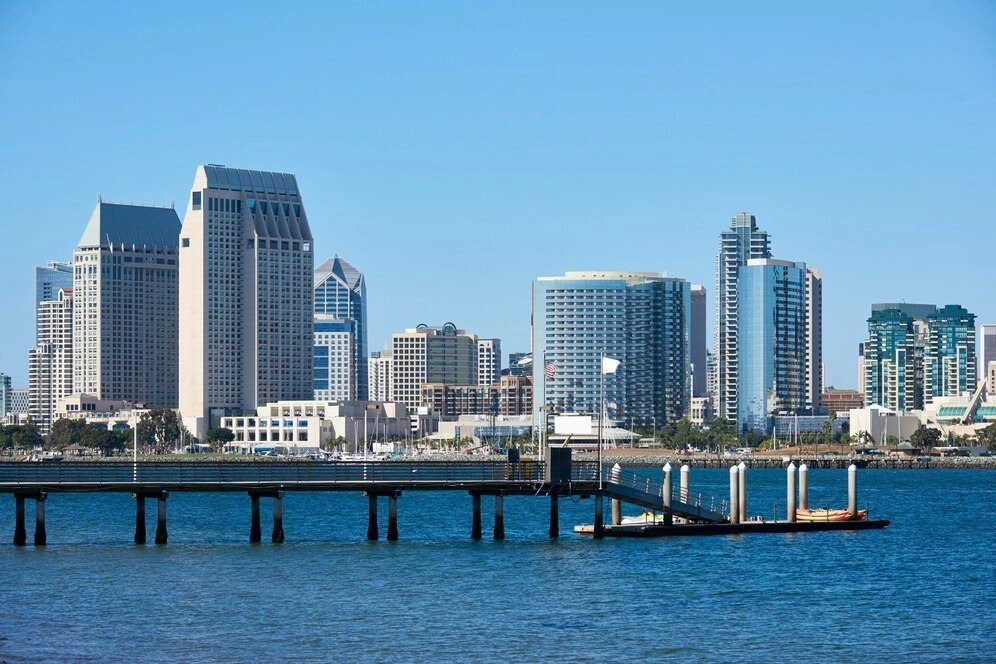
Los Angeles, often known as the City of Angels, is a sprawling metropolis representing a significant cultural and economic hub in the United States. Its allure, with world-class entertainment, diverse culture, and stunning beaches, draws people worldwide.
However, this allure comes with a price—understanding the cost of living in Los Angeles is crucial for anyone considering moving to or living in this vibrant city.
The cost of living in LA is known to be high, impacting various aspects of life, from housing to groceries, and it's essential to be prepared for the financial demands this city imposes.
Housing Costs in Los Angeles
As of mid-2024, the housing market in Los Angeles continues to be one of the most competitive and expensive in the United States.
The median home price in Los Angeles has reached approximately $1.1 million, reflecting a 7.5% increase compared to the previous year. This upward trend is driven by limited housing supply, high demand, and the ongoing appeal of Los Angeles as a central metropolitan area.
The market's competitiveness is evident in multiple-offer situations, with homes frequently selling for above their list price.
For instance, homes in sought-after areas like El Segundo and Woodland Hills have seen sale prices exceeding listing prices by 1% to 19%, depending on the property and neighborhood.
Rental prices are notably high, with the average rent for an apartment in Los Angeles around $2,719. California's rent control laws contribute to these elevated costs by permitting annual increases linked to inflation and limiting rent hikes to about 8.9% for 2024.
Despite these controls, the cost of renting remains prohibitive for many, further pushing the housing affordability crisis in the region. The persistent high demand for housing, coupled with increasing home values and rental rates, continues to shape Los Angeles as one of the most expensive cities in the country for housing.
Utilities and Household Expenses
Utilities and household expenses in Los Angeles are notably higher than the national average, reflecting the city's overall high cost of living. On average, residents in Los Angeles spend about $236.37 per month on energy bills alone, which includes electricity, heating, and cooling. This is slightly above the national average, mainly due to the region's warm climate and the high demand for air conditioning.
Additionally, the cost of water and sewer services in Los Angeles averages around $90 per month, which, while higher than in many other states, aligns with California's broader emphasis on maintaining robust infrastructure and water conservation efforts.
Beyond utilities, telecommunications add a significant amount to the household budget. The average monthly cost for phone services in Los Angeles is approximately $194.11. This, combined with other utility expenses, makes managing household costs a crucial aspect of living in the city.
Another essential service, trash removal, typically costs around $35 per month. This reflects California's comprehensive waste management programs, which aim to reduce environmental impact through recycling and composting initiatives. Overall, these utility costs contribute to the higher cost of living in Los Angeles, making it essential for residents to budget carefully.
Looking for a Realtor Referral in Los Angeles, CA?
Let us help you. Call or Text Kenna Real Estate Group at 303-955-4220 to get personalized assistance from our expert real estate agents. Find out what your home is worth in today's market.
Food and Grocery Prices in Los Angeles
As of August 2024, food and grocery prices in Los Angeles remain high, reflecting local economic conditions and broader inflationary trends. A typical grocery basket in Los Angeles includes a gallon of milk, about $4.60, a loaf of bread, about $4.60, and a dozen eggs, approximately $4.87.
Meat prices are also significant, with chicken filets averaging $7.41 per pound and beef round about $8.15 per pound.
Fresh produce like apples and bananas cost about $2.68 and $1.04 per pound, respectively. These prices contribute to a higher-than-average cost of living, particularly in a city where many residents face financial challenges.
These rising grocery costs have had a profound impact on household budgets. Data shows that Angelenos are now spending a more significant portion of their income on food than in previous decades, with an estimated 11.3% of disposable income going toward food expenditures—the highest in 30 years.
This increase is particularly burdensome for low-income residents, where nearly 37% have experienced food insecurity, a stark rise from previous years. The need for food assistance has also surged, with local food banks and support programs experiencing increased demand as residents struggle to afford necessities.
Transportation
Transportation in Los Angeles is a critical factor for residents and those considering a move to the city. The average commute time is about 30.9 minutes, which is longer than the national average. The city is notorious for its traffic congestion, which is among the worst in the nation.
Gas prices in Los Angeles hover around $4.63 per gallon, and the annual cost of car insurance averages about $2,164, significantly higher than in many other U.S. cities. Public transportation options include the LA Metro, a cost-effective alternative with fares starting at $1.75 per ride, and various passes available for regular commuters.
Healthcare Costs
Healthcare costs in Los Angeles have significantly increased in 2024, reflecting broader national trends. Covered California, the state's health insurance marketplace, announced a nearly 10% hike in premiums for 2024, marking the steepest increase since 2018.
This rise is attributed to higher drug costs, inflation, and ongoing labor shortages in the healthcare sector.
Despite these challenges, there have been efforts to mitigate the impact on consumers. For example, Covered California has eliminated deductibles for about 650,000 enrollees and reduced out-of-pocket expenses for doctor visits and prescription drugs, particularly for those under 250% of the federal poverty level.
In addition to premium increases, the overall cost of healthcare services in Los Angeles remains high. The average price of a doctor's visit is approximately $131, and a trip to the dentist can cost around $131.50. Specialized services like optometry reach about $139.80. These costs significantly burden residents, especially as the cost of living in the area continues to rise.
The state's budget for 2024-2025 aims to address some of these issues by maintaining affordability assistance for those enrolled in Covered California and continuing investments in Medi-Cal, which seeks to improve accessibility and reduce barriers to care for low-income residents.
Miscellaneous Living Expenses
Miscellaneous living expenses in Los Angeles encompass a wide range of costs that significantly contribute to the city's high cost of living. These expenses include entertainment, personal care, and other goods and services. For instance, a movie ticket in Los Angeles typically costs around $18.22, considerably higher than the national average.
Similarly, personal grooming services, such as a standard haircut, cost approximately $26.88, while visiting a beauty salon can set you back around $90.50. These elevated costs reflect the general trend of higher prices across most consumer categories in Los Angeles, making it essential for residents to budget carefully.
Beyond entertainment and personal care, other everyday expenses also add up. For example, the cost of clothing is notably higher in Los Angeles than in different parts of the country. A men's shirt, for instance, can cost around $37.94, while a pair of women's slacks is approximately $39.04.
Additionally, dry cleaning services average about $23.52 per visit. While individually small, these miscellaneous expenses collectively contribute to the financial strain of living in a city where the cost of living is already 50% higher than the national average.
Looking for a Realtor Referral in Los Angeles, CA?
Let us help you. Call or Text Kenna Real Estate Group at 303-955-4220 to get personalized assistance from our expert real estate agents. Find out what your home is worth in today's market.
Income and Salary Expectations in Los Angeles
Income and salary expectations in Los Angeles reflect the city's high cost of living and diverse economic landscape. As of 2024, the average annual gross salary in Los Angeles is approximately $87,498, with variations depending on the industry and level of experience.
The median salary, which gives a clearer picture of typical earnings, is about $56,769 annually. Salaries in higher-paying fields such as technology, medicine, and law are significantly higher, with software engineers earning around $87,795 and doctors averaging $158,617 annually.
However, these figures must be weighed against the high living expenses in the city, where the average cost of living for one person is estimated at $3,099 per month.
In Los Angeles, household income varies widely based on household size and composition. While the median household income is $76,135, it can be substantially higher for larger families, with seven-person households earning a median of $113,142 per year.
Income disparities are notable, with the wealthiest 20% of households earning an average of $330,143, while the lowest 20% average just $13,327 annually.
This income inequality is reflected in the Gini coefficient of 0.5315, indicating moderate inequality across the city. Such disparities underscore the challenges many residents face in maintaining a comfortable lifestyle amid the city's high expenses.
Conclusion
The cost of living in Los Angeles is undeniably high, affecting every aspect of daily life, from housing and groceries to healthcare and transportation. For those considering moving to this iconic city, planning carefully and budgeting for these elevated costs is essential. While the city offers unparalleled opportunities and lifestyle benefits, financial demands require careful consideration and preparation.
Understanding the cost of living in Los Angeles, CA is essential for budgeting and planning your move to this vibrant city. With expenses ranging from housing and utilities to transportation and daily necessities, preparing financially for LA's diverse and often high costs is crucial.
To ease the transition, consider working with experienced LA movers who can help you navigate the relocation complexities while ensuring a smooth and efficient move. By preparing ahead and utilizing professional assistance, you can better manage the financial aspects of your move and focus on enjoying all that Los Angeles has to offer.
Related Articles
- The Ultimate Guide to Relocation Services: What You Need to Know
- Tips for Buying and Moving to a New Home
- Buying a House in Another State Before Moving? Is It a Good Decision To Do?
If you’re planning a move from Colorado to Los Angeles, CA and need a reliable real estate agent in your new location, Kenna Real Estate Group is here to help. Thanks to our extensive network of trusted professionals across the country, there's a good chance we can connect you with an agent who will provide the same exceptional service you’ve come to expect from us. Contact Kenna Real Estate Group today, and we'll ensure you're in good hands as you transition to your new home.