.jpg)


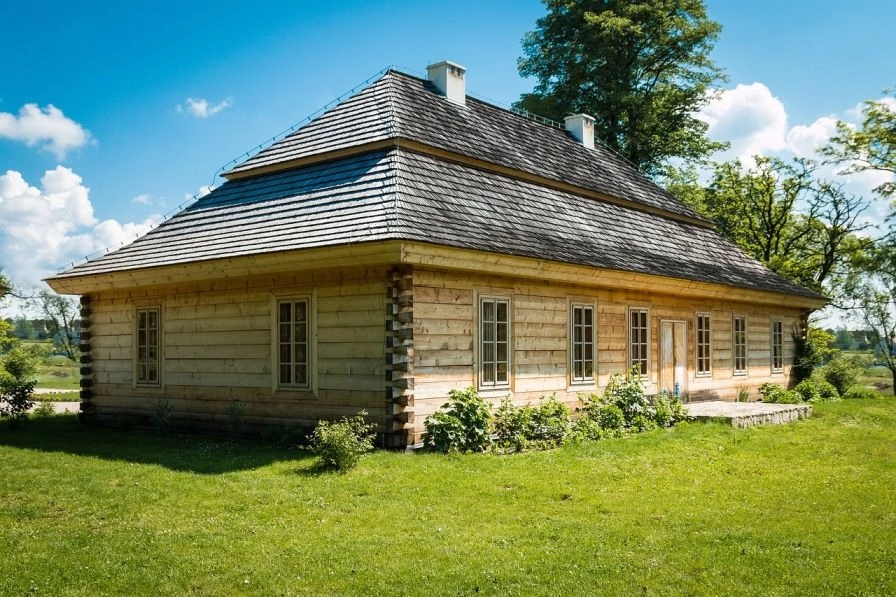
A Colorado listing goes stale at 30 days without an offer, and the reason is price 8 times out of 10. The other two times it is an inspection item the buyers' agents already know about, photos that hide the house, or showing access. The five moves below fix each cause in order: reprice from sold comps, clear the inspection items that stop offers on older Denver homes, stage and reshoot, relaunch on the right date, and, when the calendar wins, take a cash offer.
The Kenna Real Estate Group at Keller Williams DTC takes over stale listings across the Denver metro every month, most of them 1950s to 1980s homes in Denver, Aurora, Lakewood, Arvada, Littleton and Englewood that were priced for a renovated house. The how we help sellers page lists what a relaunch includes.
How long is too long on the market in the Denver metro?
DMAR's median days in MLS runs 30 to 50 depending on the month, and a home that gets an offer gets it in the first two weekends 70 percent of the time. Past day 30 with no offer, showing traffic drops by half, and buyers' agents start asking what is wrong with it. Past day 60, the price cut it takes to sell grows from 3 percent to 5 to 8 percent, because the buyer pool has already seen the house and passed. Act at day 21, not day 60.
Why is the old house not selling?
- Priced against renovated comps. A 1962 Lakewood ranch with the original kitchen is not a comp for the flipped one two doors down. The difference on the Front Range is $40,000 to $90,000.
- A known inspection item. Buyers' agents in Denver share what they find. A failed sewer scope or a Federal Pacific panel on the last terminated contract follows the listing.
- Photos from a phone, dark rooms, and no floor plan. Relocation buyers coming into Colorado tour on video first and skip listings without one.
- Showing limits. Listings that need 24 hours' notice or block weekends lose the buyer who is touring six homes on Saturday.
Move 1: Reprice from sold comps, in one cut
The new price comes from the last three to five sold homes within a half mile, the same age and size, closed in the last 90 days, adjusted for condition against your home, not against your listing history. One cut to that number gets more showings than three small cuts, because portal price-drop alerts fire once and the listing shows up in the next lower search bracket ($500,000 to $550,000 instead of $550,000 to $600,000).
A Smart Pricing Report from the Kenna Real Estate Group prices the home as it stands from those comps. The Colorado cities with the most price reductions post shows where sellers are cutting right now, and the Denver seller pricing strategy post covers the bracket math.
Move 2: Clear the inspection items buyers find in older Denver homes
Every stale listing on a pre-1985 home has at least one of these on its last inspection report. Fix the ones under $5,000, get a bid on the rest and disclose it with a credit.
| Item in older Front Range homes | Denver metro cost | Fix or credit? |
|---|---|---|
| Clay or Orangeburg sewer line (pre-1975) | $150 to $300 scope; $8,000 to $20,000 replacement | Scope it, disclose the video, credit if it fails |
| Federal Pacific or Zinsco electrical panel | $2,500 to $5,000 | Replace before relaunch |
| Aluminum branch wiring (1965 to 1973) | $2,000 to $6,000 for approved connectors | Fix and keep the invoice |
| Galvanized water supply lines | $6,000 to $15,000 repipe | Bid and credit |
| Roof past 15 years after hail seasons | $14,000 to $25,000 on 2,000 sq ft | Roofer's condition report; replace if insurers decline it |
| Furnace over 20 years, no air conditioning | $5,000 to $9,000 furnace; $6,000 to $12,000 to add AC | Service and certify; credit for replacement |
| Radon over 4.0 pCi/L | $1,200 to $2,500 mitigation | Install before relaunch |
| Popcorn ceilings with asbestos (pre-1980) | $3 to $7 per sq ft abatement | Test; disclose; credit or abate |
| Single-pane windows | $600 to $1,200 per window installed | Credit, or replace the front-facing ones |
Two Colorado notes. Insurers write shorter terms or actual-cash-value roof coverage on Front Range roofs past 15 years, and a buyer who cannot insure the roof cannot close a loan, so the roof report is not optional. And a home built before 1978 carries the federal lead-based paint disclosure form with every contract; it does not stop a sale, but a missing form does. The Denver inspection red flags post covers all ten items in detail, and the adding value before selling page ranks the fixes by return.
Move 3: Stage the house the buyer is imagining, then reshoot
An older Front Range home sells on its bones: hardwood under the carpet, a brick fireplace, a big lot, mature trees, a covered porch. Staging shows those and hides the 1970s. The order:
- Remove half the furniture and every personal item. A storage unit runs $150 to $400 a month in the Denver metro.
- Paint every room one warm white at $2,000 to $5,000, and replace the brass and the boob lights at $100 to $600.
- Pull up carpet over hardwood and refinish at $3 to $5 per sq ft. It is the highest-return dollar in a mid-century Denver home.
- Occupied staging consult at $200 to $500; vacant staging at $1,500 to $3,500 a month for the main rooms.
- New photos, a floor plan and a video walk-through at $250 to $700, shot on a sunny day with every blind open. The 300 days of Colorado sun are the cheapest lighting rig there is.
The 8 curb appeal fixes for Front Range sellers post handles the exterior, and the mid-century modern home guide shows what buyers of older Denver homes pay extra for.
Move 4: Relaunch on the right date, and do not play games with the MLS
Withdraw the listing, make the fixes, and relist with the new price, new photos and a new description that leads with the bones and the completed work. Every buyer's agent in REcolorado sees the full listing history, terminated contracts included, so a relist does not erase the past; it gives the listing a fresh "new" badge on the portals and a second first weekend. Relaunch on a Thursday, with showings open Friday through Sunday and an open house on Saturday.
Timing in Colorado: the second week of March through mid-June draws the most showings; the week after Labor Day is the second window; a relaunch between Thanksgiving and New Year's meets the fewest buyers and the least competition. Do not relaunch the week of a major hailstorm or during the first big snow; showings vanish for five days. The marketing your Colorado home page has the relaunch checklist.
Move 5: Incentives, and when to take a cash offer
When the price is right and the house still sits, the buyer's problem is the payment, not the house. A seller-paid rate buydown costs less than a price cut and moves the buyer's monthly payment more. On a $500,000 purchase, a 2-1 buydown costs the seller $10,000 to $12,000 and cuts the buyer's first-year payment by $500 to $600 a month, while a $10,000 price cut moves the payment about $60. Colorado lenders cap seller concessions by loan type: 3 to 9 percent on conventional loans depending on the down payment, 6 percent on FHA, and 4 percent on VA for concessions beyond closing costs.
Mike Oswald, VP of Mortgage Lending at Rate, NMLS 261003, Equal Housing Lender, structures the buydown for the buyer and confirms the concession fits the loan. You are free to use any lender. The Colorado rate buydown program page and the Colorado home financing guide cover the math, and the Denver buyer's market post shows what else moves a buyer to write.
Take a cash offer when the house needs more than $50,000 of the work in the table above, when it has to close in under 30 days, or when it is vacant and the carrying cost is $3,000 a month. Denver metro cash investors pay 70 to 85 percent of repaired value and close in 10 to 14 days with no inspection objection. The Denver cash home buyers page explains how those offers are built and how the Kenna Real Estate Group gets more than one of them for a seller.
Fix it or sell it as-is?
Fix it when the item is under $5,000 and stops a loan (panel, radon, furnace certification). Credit it when the item is over $5,000 and the buyer will pick the contractor anyway (sewer line, repipe, roof). Sell as-is to a cash buyer when the total of the table above passes $50,000 or the house has foundation movement on top of it. Every one of those paths still requires the Colorado Seller's Property Disclosure, where you state what you know about the house; as-is means no repairs, not no disclosure. The as-is sales process in Denver post covers the contract language.
Where to go next
- Pricing your Colorado home to sell (Smart Pricing Report)
- Preparing and adding value before selling
- Denver cash home buyers and fast sale choices
- The best times to sell a house in Colorado
- Kenna Real Estate Group agents
- Search every home for sale in Colorado
Talk to the Kenna Real Estate Group
The Kenna Real Estate Group at Keller Williams DTC relaunches stale Denver metro listings with a Smart Pricing Report from sold comps, the inspection items cleared or credited, new photos and a floor plan, and a relaunch date picked for showings, and brings cash offers to the table when the calendar matters more than the last dollar. Call or text 303-955-4220. A live person answers. Not a robot, not a phone tree. When the old house is sold and the next one is in Colorado, search every home for sale in Colorado.