.jpg)



For the first time in years, Denver’s housing market has tilted in favor of buyers. Nearly 38% of active listings have seen price cuts—well above the national average—changing the pace and tone of deals from Washington Park to RiNo. Bidding wars have cooled, sellers are making concessions, and buyers finally have room to breathe. Still, affordability challenges and higher rates mean this isn’t a free-for-all. Whether you’re house-hunting or considering selling, understanding the micro-markets and lived realities of Denver in 2025 is key.
Understanding the Shift in Denver’s Housing Market
Rising mortgage rates, a jump in available inventory, and a seasonal slowdown have combined to give buyers leverage. In past years, a well-priced home in Berkeley or Sunnyside might have gone under contract in 48 hours; now, listings often linger for weeks. I’ve noticed more “price reduced” tags on MLS feeds and even a few listings in places like Cherry Creek sweetening the deal with prepaid HOA fees or closing cost credits.
Walking into open houses lately feels different—less crowded, with listing agents quick to offer coffee and conversation. It’s not uncommon for them to mention, almost in passing, that the seller is “flexible.” Those are your cues to start thinking about terms beyond just price.
Neighborhoods Where Buyers Have the Edge
While the entire metro is feeling the shift, certain areas are showing more pronounced buyer-friendly conditions:
- Cherry Creek & Hilltop: Higher-end properties are sitting longer, giving buyers the chance to negotiate for extras—think landscaping credits or high-end appliance packages.
- RiNo & Five Points: Modern builds still attract attention, but older homes needing updates are seeing price trims of up to 10%.
- Parker & Centennial: Larger homes with higher tax bills are prompting faster adjustments to asking prices.
- Capitol Hill & LoDo Condos: Properties without parking or updated interiors are facing heavier competition, which is great news for bargain-seekers.
Knowing the personality of each neighborhood matters. In RiNo, for example, one block might buzz with breweries and murals, while the next feels quiet and industrial—a difference that can affect both resale value and your daily routine.
How Buyers Can Use This Market to Their Advantage
Negotiation in Denver is no longer just about knocking down the asking price. In Harvey Park, I’ve seen buyers request seller-paid roof repairs after hail season. In Observatory Park, a client secured six months of paid HOA dues on a condo that had been sitting for 50 days.
Some strategies that work well now include:
- Targeting listings on the market for 30–45 days or more.
- Asking for seller concessions—closing costs, appliance upgrades, or even furniture.
- Using contingencies again, from inspection to appraisal.
- Timing offers toward month’s end when sellers are eager to close.
And yes, a personal letter can still help—especially in tight-knit communities like Berkeley or Platt Park, where homeowners often have deep emotional ties to their properties.
Seller Strategies for Standing Out
In a buyer’s market, presentation isn’t optional—it’s everything. In Sloan’s Lake, I’ve watched staged homes with fresh paint and modern lighting still draw strong offers, even when others in the neighborhood sat idle. In Harvard Gulch, a seller’s quick decision to invest in curb appeal—flower boxes, power-washed walkways—helped them beat out similar listings.
Sellers should:
- Price realistically based on current comps, not last year’s peak numbers.
- Make impactful, visible updates before listing.
- Highlight unique features—mountain views, walkable location, or historic charm.
And most importantly, be ready to negotiate. Buyers are expecting some give in this climate, and meeting them halfway can mean the difference between an offer and another month on the market.
The Human Side of Denver Real Estate in 2025
Market data tells part of the story, but the real insight comes from the lived experience. I’ve shown homes in Wash Park on a February morning when the lake path was iced over and you could smell someone’s fireplace two doors down. I’ve sat with sellers in Mayfair as they balanced packing boxes with getting kids settled into a new magnet school mid-year. I’ve even had buyers time their move to avoid the Sunday evening I-70 ski traffic back from the mountains.
These small moments—scraping snow off a “For Sale” sign, chatting with neighbors about the best local coffee, waiting for spring’s first patio day in LoHi—are as much a part of Denver real estate as the contracts and comps.
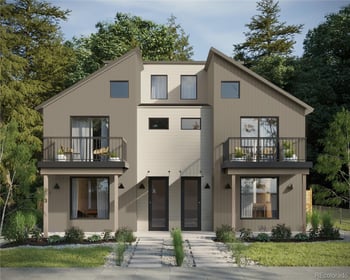
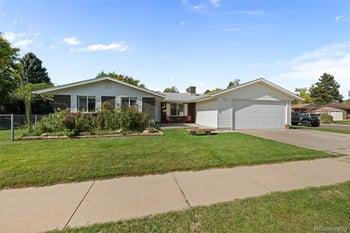
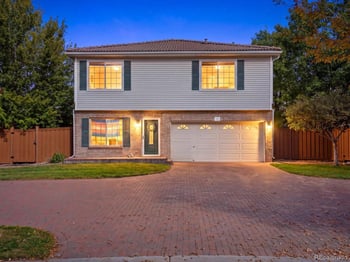
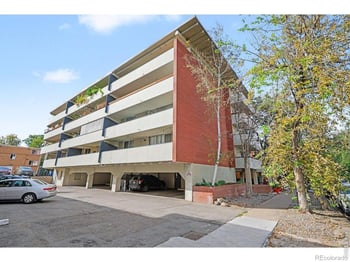
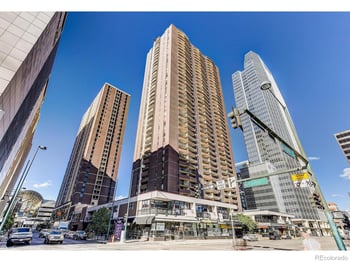
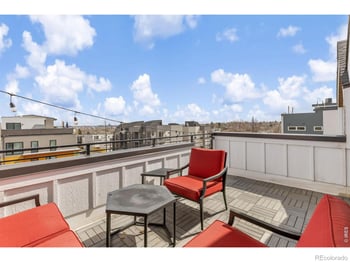
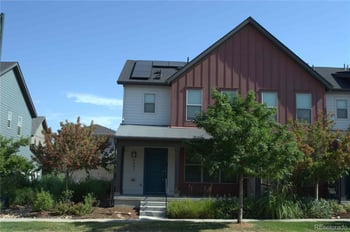
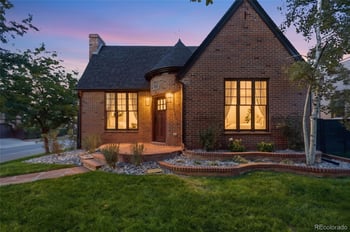
View Denver Home Listings with Price Recuctions Below

Denver Buyer’s Market Deals – Current Homes for Sale
Frequently Asked Questions About Denver’s Buyer’s Market
What does Denver’s buyer’s market mean for home prices?
It means more listings, slower sales, and sellers willing to adjust asking prices or offer concessions. Neighborhoods like Cherry Creek and Sloan’s Lake are showing the most noticeable adjustments, especially for homes that need updates.
Which Denver neighborhoods have the biggest price cuts?
Higher-priced markets like Cherry Creek, transitional areas like RiNo, and suburban pockets such as Parker are seeing larger reductions. The size of the cut often depends on property condition and days on market.
How can buyers take advantage of this market?
Look for homes that have been listed 30+ days, make offers that include repair or upgrade requests, and target slower-moving areas like Harvey Park or Capitol Hill. Use contingencies and time your offers strategically.
Is it a bad time to sell in Denver?
Not if you price right and present well. Homes in areas like Sloan’s Lake and Harvard Gulch that are staged and competitively priced are still attracting solid offers.
Are bidding wars still happening in Denver?
They’re rare but not gone. Homes in highly desirable, well-priced spots like Washington Park or Berkeley can still draw multiple offers, especially in spring.