New - 1 Hour Ago
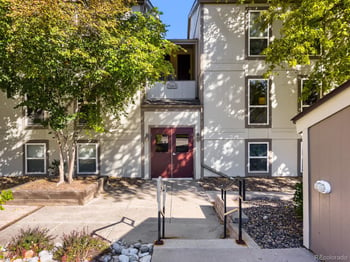
$279,000
Active
2
Beds
2
Baths
1120
Sqft
0.01
Acres
7265 S Xenia Cir #D, Centennial, CO 80112
MLS#: REC2829913
.jpg)



Mortgage rates are set by national bond markets, not by anything happening on a single block in Centennial or Aurora, and that national number decides how much a Front Range buyer can borrow before a home ever changes hands locally. Reading the broader signals — rate direction, investor flows, migration data — alongside the comps on a specific street is what turns a guess about timing into a plan.
A recent sale on a single block shows what one buyer paid and one seller accepted. It does not explain whether that price reflected a rate drop the week before, a wave of investor demand, or a one-off bidding war. Local data is a snapshot; it needs the national and regional context around it to mean anything for the next transaction. Stock investors face the same problem with a single share price, which is why many track tools like WallStreetZen's updated list to look past a single data point. Real estate buyers need the same habit.
A half-point rate move changes what a Denver-metro buyer qualifies to borrow by tens of thousands of dollars, and that shift shows up first as fewer showings and longer days on market, before it appears in a published price cut. Banks respond to national credit conditions, not neighborhood-level trends, so tighter lending nationally means fewer offers locally even when a specific Front Range submarket looks stable on paper. Track how rate movement is already playing out for Denver buyers in Buy now or wait for lower mortgage rates in Colorado and how Denver buyers respond when rates hit a multi-month low.
Large investors move capital across regions as returns shift, and those moves start quietly — a balance-sheet change or an earnings call — long before a local buyer notices fewer available listings or a higher price ceiling on entry-level homes. Institutional buyers entering a metro area push prices up quickly; when they pull back, demand softens just as fast. A Front Range buyer who tracks only neighborhood sales misreads these swings as random noise instead of a traceable capital flow. See what Front Range investors specifically verify before committing capital in the investor verification checklist for Colorado property.
Remote work reshaped where households choose to live, trading a short commute for more space and lower cost. Colorado kept a share of that shift because the Front Range offers outdoor access and a lower cost of living than the coasts, and that demand shows up as sustained interest in Fort Collins, Colorado Springs, and outlying metro-Denver suburbs rather than only the urban core.
Job growth in aerospace, tech, and health care, combined with relative affordability against California and parts of the East Coast, has kept net in-migration positive for Colorado for years, even as month-to-month numbers fluctuate. That steady inbound demand is a national-scale trend that shows up locally as competition for move-in-ready homes under $600,000 across the metro.
Lumber, steel, and skilled-labor costs are set in national and global markets, and when those costs spike, Front Range builders slow permit activity and new-construction supply tightens within a year. Fewer new homes entering the market adds pressure to resale prices, especially in fast-growing areas like Castle Rock, Parker, and Brighton where new construction has historically absorbed a large share of demand. Browse current new-build inventory at new construction homes in Colorado by area.
Mortgage rates track the yield on the 10-year Treasury bond more closely than any single Federal Reserve announcement. When bond yields rise on inflation data or federal deficit news, mortgage rates rise within days, regardless of anything happening in the Denver market specifically. A buyer watching bond-market direction gets an earlier read on rate movement than waiting for a lender's posted rate to change.
Front Range sales slow every winter and pick back up each spring; that is a seasonal pattern, not a cooling market. A genuine slowdown shows up as rising days-on-market and price reductions across multiple consecutive months compared to the same season a year earlier, not a single quiet month. Compare current conditions against prior years in the Colorado market reports and hottest and coldest Denver ZIP codes.
No. The Federal Reserve sets the short-term federal funds rate, which influences but does not directly set 30-year mortgage rates. Mortgage rates respond more directly to bond-market expectations about future Fed policy and inflation than to the Fed's current rate decision itself, which is why rates sometimes move in the opposite direction of a Fed announcement.
Denver inventory has moved from a strong seller's market to conditions closer to balanced in recent years as rates rose, a shift covered directly in why Denver is now a buyer's market and what that means for you. The direction of that shift tracks national rate trends closely, even though the specific inventory numbers are entirely local.
Rate direction matters more than calendar timing. A buyer who locks a lower rate during a slower season — late fall through winter along the Front Range — gets less competition and more negotiating room than waiting for peak spring inventory at a higher rate. Run the numbers on a specific price point with a Colorado mortgage pre-approval before assuming spring is always the better move.
Acreage and equestrian property demand in Colorado responds to the same capital flows as urban housing, plus an added layer: agricultural commodity prices and out-of-state buyers seeking land as a hedge during periods of market uncertainty. That combination can move rural Front Range land prices independently of what urban Denver condos or houses are doing in the same quarter.
A seller pricing a home during a period of rising national rates should expect a smaller buyer pool able to qualify at the new payment level, and should price accordingly rather than anchoring to a comp sold when rates were lower. The pricing your Colorado home to sell guide walks through adjusting a listing price for current rate conditions.
A rate forecast is only useful once it is translated into an actual payment number for a specific buyer. A pre-approval conversation with a lender turns a national forecast into a concrete budget. Mike Oswald at Rate (NMLS 261003, Equal Housing Lender) walks Front Range buyers through today's numbers and locking strategy — you are free to use any lender — and the group's own Colorado home financing guide and Kenna Credit Care mortgage readiness program cover the basics before that call.
Capital reallocation is the term for large investors moving money out of one asset class or region and into another as returns shift. In housing, it shows up as a sudden increase or decrease in cash offers, investor bids on entry-level inventory, and competition for rental-ready properties — changes that look random locally but trace back to decisions made at a national or global scale.
The Kenna Real Estate Group combines Front Range comps, inventory, and days-on-market data with national rate, employment, and investor-activity trends so buyers and sellers act on current conditions rather than last month's headlines. That pairing is what separates a reactive decision from an informed one.
The Kenna Real Estate Group tracks national rate, investor, and migration signals alongside Front Range comps so buyers and sellers can time a decision with current data instead of a guess. Call or text 303-955-4220. A live person answers. Not a robot, not a phone tree. Start with search every home for sale in Colorado.
Questions about any home in Colorado? Call or text 303-955-4220. A live person answers.
National mortgage rate shifts, investor capital flows, and migration trends move prices before local sales data reflects the change.
No. The Fed sets the short-term federal funds rate; 30-year mortgage rates track bond-market expectations about inflation and future Fed policy more closely.
When large investors enter a region, prices and competition for entry-level homes rise quickly; when they pull back, demand softens just as fast.
Rate direction matters more than the calendar. Locking a lower rate during a slower season, late fall through winter, means less competition than peak spring inventory at a higher rate.
Remote work let more households trade a short commute for space and lower cost, and Colorado kept a share of that demand because of its outdoor access and relative affordability.
Months of inventory, days on market, price per square foot by ZIP code, and new listing volume, compared against the same period a year earlier.
Higher lumber, steel, and labor costs slow builder permit activity, which tightens new-home supply and adds pressure to resale prices within about a year.
Mike Oswald at Rate (NMLS 261003, Equal Housing Lender) walks Front Range buyers through today's rate and lock options, though buyers are free to use any lender.