New - 30 Mins Ago
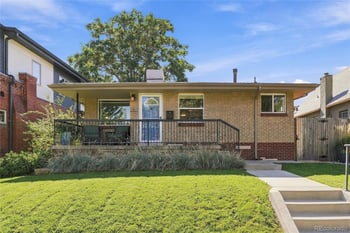
$900,000
Coming Soon
4
Beds
2
Baths
2116
Sqft
0.12
Acres
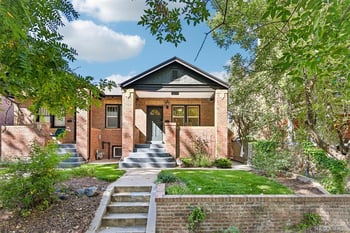
3484 W 33rd Ave, Denver, CO 80211
MLS#: REC4869595
.jpg)



Property can look convincing from a distance. Clean listing photographs, updated flooring, a tidy rent estimate, and maybe a spreadsheet showing comfortable monthly income are all positives. Still, an investment succeeds or fails somewhere below that polished surface. The real questions concern recurring costs, physical condition, tenant demand, legal limitations, and how the property behaves after the excitement of closing wears off.
For Front Range investors, careful verification matters because two properties with similar prices can produce very different outcomes. One may require little beyond routine maintenance. Another may carry aging systems, restrictive association rules, drainage concerns, or insurance costs that dismantle the original forecast.
So the first task isn't finding a property that looks profitable; it is determining whether the apparent profit can survive detailed scrutiny.
A purchase price provides context, but it does not explain performance. Investors need to calculate the property’s complete operating picture, including financing, taxes, insurance, maintenance, vacancy, utilities, management, and reserves. Otherwise, a modest positive cash flow can disappear after one unexpected repair or a few weeks without a tenant.
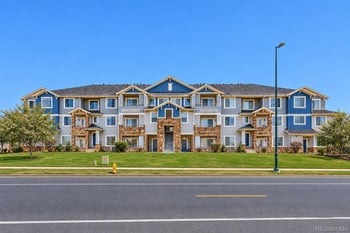
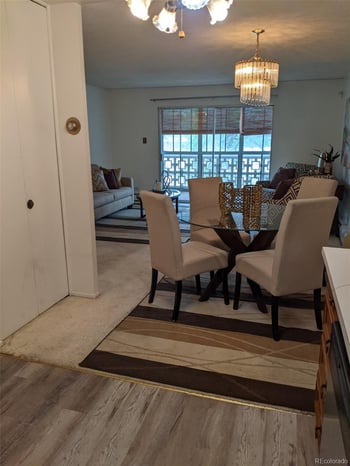
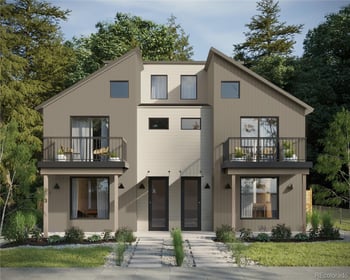
At the same time, reviewing a broad range of property investment opportunities can positively sharpen an investor’s judgment. Comparisons reveal which features genuinely support value and which ones merely photograph well. More importantly, examining different layouts, price points, and ownership costs helps investors test their assumptions before committing capital.
However, the projected rent still needs independent verification. Here, an advertised estimate may rely on unusually favorable comparables, furnished rentals, outdated leases, or units with better parking and finishes. Consequently, investors should review genuinely comparable properties and account for differences that affect tenant decisions.
A sound financial review starts with conservative assumptions rather than the best-case outcome. Include vacancy in the calculation, even when rental demand appears healthy. Repairs also need their own allowance. Appliances fail, drains clog, exterior paint deteriorates, and tenants move out at inconvenient times.
Investors should verify several figures before deciding that a property works:
Cash flow should not carry the entire investment argument. Investors should consider liquidity, the likely holding period, resale constraints, and the amount of capital tied up in the purchase. Appreciation may strengthen the result, but it should not rescue weak operating numbers.
At the end of the day, if the deal works only because the property “should be worth much more” in a few years, the analysis rests heavily on hope.
Broad demand does not assure demand for every unit. Tenants make decisions based on practical details: commute patterns, parking, noise, storage, pet policies, stairs, outdoor space, and monthly utility costs. Thus, investors should evaluate the property as a renter would, not merely as a buyer comparing square footage.
A neighborhood can perform well while a particular property remains harder to lease. Perhaps the bedrooms are unusually small, or perhaps parking becomes difficult after 6 p.m., or the unit sits beside a noisy common area. These details may seem minor during acquisition, yet they can affect vacancy and turnover year after year.
Investors should also review the likely tenant pool. A property designed mainly for short stays requires a different operating model from a conventional long-term rental. Similarly, a larger home may command more rent but face higher turnover costs and a narrower applicant pool. The better question, then, is not simply, “Will somebody rent this?” but “Who is the likely tenant, and why would this property remain competitive?”
What Should Colorado Investors Verify Before Buying Property?
Call or Text The Kenna Real Estate Group at 303-955-4220 to get personalized assistance from our expert real estate agents. Find out what your home is worth in today's market.
Ownership does not automatically provide unrestricted use. Zoning rules, occupancy limits, licensing requirements, association documents, leasing restrictions, and local regulations may alter the investment plan. As a result, investors should verify permitted use directly rather than relying on listing language or informal assurances. Association-governed properties require particular attention: investors should read the declaration, bylaws, rules, meeting minutes, financial statements, reserve information, and recent communications.
Leasing caps, minimum lease periods, pet restrictions, parking limitations, or planned capital work can materially affect returns. Moreover, underfunded reserves may signal future assessments even when current monthly dues seem reasonable.
Title and survey issues in cases of easements, shared access, boundary questions, liens, and use restrictions can affect renovation plans or resale. Therefore, investors should resolve unclear records before closing, while negotiation and withdrawal options may still exist.h
Investors often study acquisition carefully and treat the eventual sale as a distant problem. Nevertheless, the exit strategy shapes what you should buy now. A highly specialized property may attract fewer future buyers, and extensive unpermitted alterations can complicate financing. Meanwhile, a layout that works for one rental approach may perform poorly if regulations or tenant preferences change. Therefore, investors should identify likely future buyers and consider what those buyers will value. They should also estimate selling costs, potential renovation needs, and the time required to market the property.
Refinancing can be another exit route, but it depends on future valuation, lending standards, and interest rates. Don't treat it as assured.
A worthwhile Front Range property investment should hold up after you strip away the attractive parts. The rent needs support, and expenses need room to move. Physical systems need realistic remaining-life estimates, and intended use must comply with applicable rules. Just as importantly, the property should remain manageable if the first year turns out less neatly than expected.
Verify every assumption that carries the return. Check the documents, inspect the expensive components, question optimistic figures, and model a difficult year before buying. A property that still makes sense after that process offers a defensible investment case.
This guide and its insights are brought to you by The Kenna Real Estate Group, trusted real estate experts serving buyers and sellers throughout Colorado.
According to The Kenna Real Estate Group, successful property investments depend on careful verification, realistic financial analysis, and informed decision-making. Investors across the Front Range, from Denver to surrounding communities, benefit from working with professionals who understand property values, rental demand, market conditions, investment considerations, and the factors that can influence a successful real estate investment.
With over two decades of experience, The Kenna Real Estate Group has built a strong reputation across Denver and Colorado for helping clients navigate every stage of the real estate process—from evaluating property opportunities to making informed decisions about buying and selling. Their market knowledge, attention to detail, and client-first approach make them a trusted resource for homeowners and investors evaluating their next real estate opportunity.
For expert guidance, local insights, and personalized support throughout your Colorado real estate journey, visit Kennarealestategroup.com.
The Kenna Real Estate Group answers rental property and investing questions every day, from Fort Collins to Colorado Springs. Call or text 303-955-4220. A live person answers. Not a robot, not a phone tree. Or search every home for sale in Colorado right now.
Questions about any home in Colorado? Call or text 303-955-4220. A live person answers.