New - 3 Hours Ago
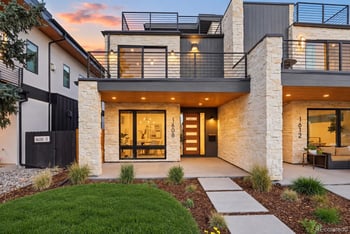
$1,825,000
Active
4
Beds
5
Baths
3300
Sqft
0.07
Acres
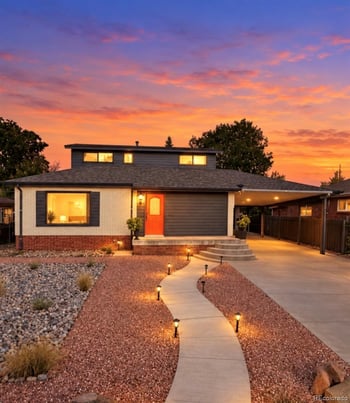
1608 S Washington St, Denver, CO 80210
MLS#: REC7038465
.jpg)



Seven decisions made before the first demolition day determine whether a Front Range remodel finishes on budget: the contingency built into the number, the permit question answered up front, the contractor's license verified, the HOA cleared, the timing chosen around Colorado's climate, the financing lined up, and the resale math done before finishes are picked.
Write down exactly what the remodel includes and what it does not before calling a single contractor for a bid — square footage affected, rooms involved, and whether the scope includes structural changes or stays cosmetic. A vague scope produces bids that are not actually comparable to each other, since one contractor sometimes prices in a wall removal the homeowner assumed was included while another does not. A one-page written scope, even a rough one, makes every bid that comes back apples to apples.
Build a 15% to 20% contingency into any Front Range remodel budget, on top of the contractor's estimate. Older homes built on Denver's expansive clay soil frequently surface a foundation, wiring, or plumbing issue once walls open — the contingency is what keeps that discovery from stalling the project for lack of funds.
It is tempting to start a remodel by choosing tile, paint colors, and fixtures, since that is the visible, enjoyable part of the process. The seven items below come first because each one changes the budget, timeline, or legality of the project in ways a finish selection cannot undo once the contract is signed. Settle these first and the finish selection becomes the easy part instead of a rushed decision made under deadline pressure.
Ask the contractor, in writing, exactly which parts of the project need a Denver, Aurora, or Lakewood permit before signing a contract. Structural changes, electrical beyond a fixture swap, plumbing relocations, and footprint changes all need one; paint, flooring, and cabinets do not. Settling this before the contract avoids a mid-project surprise about timeline or cost.
Three bids for the same written scope of work show the real price range for a Front Range remodel and make an outlier — unusually low or unusually high — easy to spot before signing anything. A bid that comes in far below the other two is worth a direct question about what it leaves out, not an automatic win.
Colorado has no statewide general contractor license, but Denver, Aurora, Lakewood, and Littleton each require local licensing for electrical, plumbing, mechanical, and general building work. Check the license number against the city's own database and confirm general liability and workers' compensation coverage directly with the carrier before signing.
A remodeling contract should spell out the payment schedule, the materials by brand and grade, the timeline, and what happens if either side wants to change the scope mid-project. Read every page before signing, not just the price on the first one.
An HOA or metro district design review can take several weeks and can also reject an exterior change outright, which changes the whole project scope. Check the Denver HOA rules and fees guide and confirm the review timeline before the contractor schedules a start date.
Colorado's hail season runs from spring through September, and roofing and exterior crews book up fastest through that stretch. Scheduling exterior work outside that window means an easier contractor schedule and less competition with storm-repair jobs; interior work fits winter well, since Denver's dry air speeds paint and drywall-mud drying time.
A cash-out refinance, a home equity line, or a dedicated renovation loan are the three most common ways Front Range homeowners fund a remodel, and each has different rate and payoff implications worth comparing before signing a contractor. Mike Oswald at Rate (NMLS 261003, Equal Housing Lender) walks Colorado homeowners through renovation financing options — you are free to use any lender. Start at the Colorado home financing guide and Kenna Credit Care mortgage readiness program.
A minor kitchen remodel recoups 70% to 85% of its cost across Denver, Aurora, Lakewood, Littleton, Colorado Springs, and Fort Collins; a primary bath remodel recoups 55% to 65%. Deciding upfront whether the remodel is for years of living in the home or for an upcoming sale changes which finishes are worth the extra cost. Preparing and adding value before selling lays out the difference.
Save every contract, change order, permit, and inspection sign-off in one folder — digital or physical — from the day the project starts. That paper trail is what a buyer's lender and appraiser look for at resale, what an insurance carrier asks for after a claim, and what settles a dispute with a contractor if one ever comes up. Front Range homeowners who skip this step frequently spend more time reconstructing project history years later than it would have taken to keep the folder updated as they went.
Three things stall a Colorado remodel more than anything else: a permit application sitting in a city queue longer than expected, a special-order material with an eight- to twelve-week lead time nobody accounted for at the start, and a subcontractor scheduling conflict once the general contractor's calendar shifts. Ask the contractor upfront for realistic timelines on all three rather than the best-case number, and order long-lead materials the day the contract is signed instead of waiting until the project reaches that stage.
Weather adds a fourth Colorado-specific delay: a spring hailstorm or an early-season snow can push exterior work back by a week or more even on a well-planned schedule. Building a two-week buffer into the overall timeline before setting a hard move-back-in date keeps a weather delay from becoming a broken promise to family or tenants waiting on the space.
Once the project passes final inspection, request copies of every permit closeout and inspection record from the city for the homeowner's own file, not just the contractor's. Those records answer a buyer's or an appraiser's questions instantly at resale instead of requiring a scramble to track down permit history from a city archive years later. It is the single easiest step to skip and the one most worth doing anyway.
The Kenna Real Estate Group helps Front Range homeowners plan a remodel around resale timing, financing, and local permit rules before the first dollar is spent. Call or text 303-955-4220. A live person answers. Not a robot, not a phone tree. Search every home for sale in Colorado while the remodel plan comes together.
Questions about any home in Colorado? Call or text 303-955-4220. A live person answers.
15% to 20% on top of the contractor's estimate, to cover foundation, wiring, or plumbing issues that surface on Denver's expansive clay soil once walls open.
Yes, for structural changes, electrical beyond a fixture swap, plumbing relocations, and footprint changes. Ask the contractor in writing before signing.
Verify the license number against the city's own database and confirm general liability and workers' compensation insurance directly with the carrier.
Most exterior changes need HOA or metro district design review before work starts, and the review can take several weeks.
Interior work fits winter well; schedule exterior work outside spring-through-September hail season for an easier contractor schedule.
A cash-out refinance, a home equity line, or a dedicated renovation loan are the three most common paths. Compare rate and payoff terms before signing a contractor.
A minor kitchen remodel recoups 70% to 85% of its cost; a primary bath remodel recoups 55% to 65%, consistent across Denver, Aurora, Lakewood, Littleton, Colorado Springs, and Fort Collins.