New - 13 Hours Ago

$1,255,000
Coming Soon
4
Beds
3
Baths
3525
Sqft
0.26
Acres
3532 S Eudora Way, Denver, CO 80237
MLS#: 7973063
.jpg)


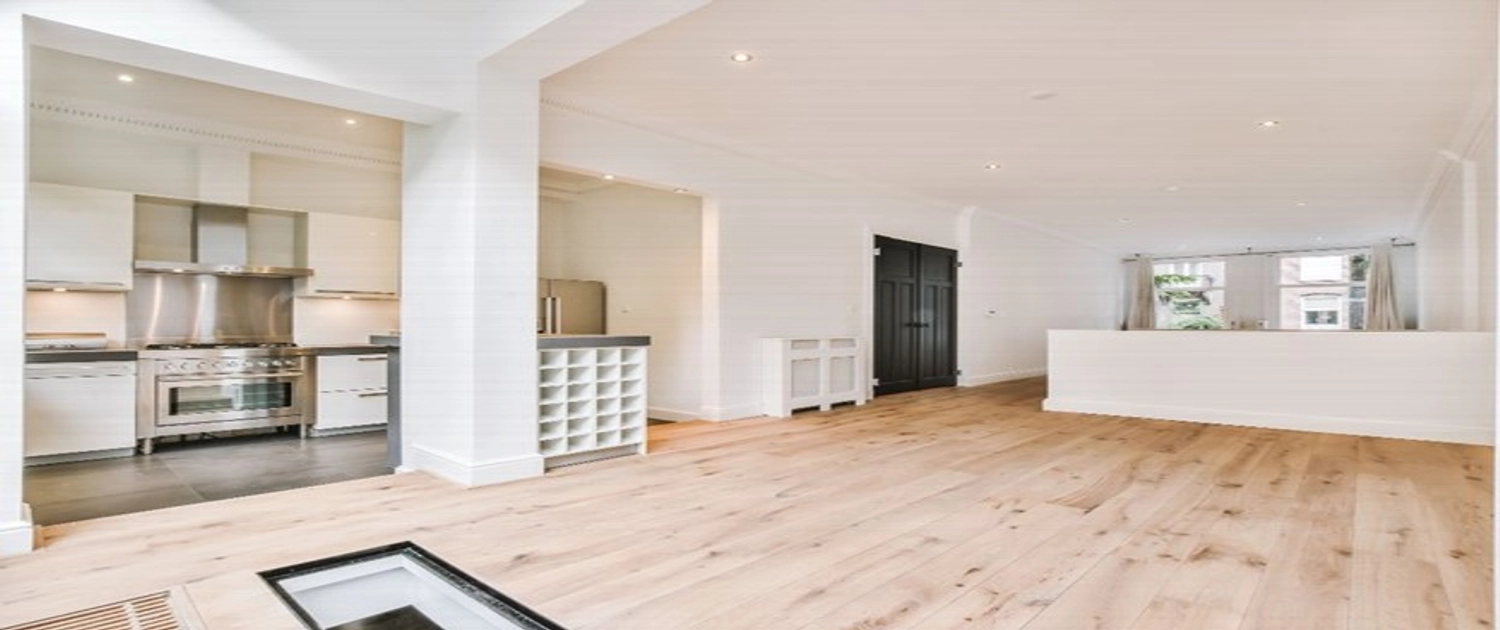
A whole-home remodel changes how a house works before it changes how it looks. Denver and Front Range owners who gut and rebuild a kitchen, open a cramped floor plan, and add storage report the same result: the house finally fits how they actually live, and it appraises higher when they sell.
The before-and-after is rarely about paint and fixtures. It's about three things: layout, light, and storage. A 1970s Denver split-level with a closed kitchen and a dark dining room becomes a single connected space where one person can cook while three others sit at an island. A ranch home in Lakewood or Littleton with one bathroom for a household of four gains a second full bath carved from an oversized hallway closet. Mudrooms, pantry walls, and closet systems replace the pile of coats and boots at the front door that every Colorado household accumulates from October through March.
Lighting changes the most. Removing a load-bearing wall between a kitchen and living room, replacing a small window with a larger energy-code-rated unit, or adding a skylight over a stairwell pulls Colorado's 300 annual days of sun into rooms that never had it. Owners consistently say the house feels 20% to 30% larger without adding a single square foot.
Front Range whole-home remodels (kitchen, baths, flooring, systems, and layout changes across a 1,800 to 2,800 sq ft house) run from $150,000 to $400,000 depending on scope and finish level. A kitchen-only gut remodel in Denver metro runs $45,000 to $90,000. A full bathroom remodel runs $18,000 to $40,000 per bath. Structural changes (moving or removing a wall) add $5,000 to $20,000 per opening once engineering, permits, and framing are included. Older homes with knob-and-tube wiring or galvanized plumbing add $15,000 to $30,000 to bring systems up to current code across the house.
| Project | Denver metro cost range | Timeline |
|---|---|---|
| Kitchen gut remodel | $45,000 - $90,000 | 8 - 14 weeks |
| Full bathroom remodel | $18,000 - $40,000 | 3 - 6 weeks |
| Whole-home (kitchen, baths, systems, layout) | $150,000 - $400,000 | 4 - 9 months |
| Structural wall removal (per opening) | $5,000 - $20,000 | Adds 1 - 3 weeks |
Yes, for nearly everything that isn't cosmetic. Denver requires a building permit for structural changes, electrical and plumbing work, and any change to a load-bearing wall, and it requires licensed contractors for most trades. Colorado has no statewide general contractor license, so licensing is set city by city and county by county: Denver, Aurora, Lakewood, Littleton, Colorado Springs, and Fort Collins each run their own contractor licensing and inspection programs. Confirm your contractor holds a current license in the specific city where your house sits, not a license from a neighboring jurisdiction.
Skipping permits creates a problem at closing. Colorado's Seller's Property Disclosure form asks directly whether improvements were made without a permit, and buyers and their lenders can require the work be permitted retroactively (a process called permitting after the fact) before closing.
Layout before finishes, and structure before systems. Decide where walls move and where plumbing and electrical will run before choosing cabinets, tile, or fixtures. A cabinet order placed before the electrician marks outlet and switch locations forces a second, expensive round of changes. Front Range general contractors sequence a whole-home remodel as: structural and framing, rough plumbing and electrical, insulation and drywall, then cabinetry, flooring, and fixtures last.
A kitchen and bath-focused whole-home remodel recovers 55% to 75% of its cost at resale in Denver, Aurora, Lakewood, Littleton, Colorado Springs, and Fort Collins, based on the pattern Front Range appraisals follow. The recovery rate is highest when the remodel matches the neighborhood: a $300,000 remodel in a $450,000 Aurora starter-home market will not appraise back to cost, while the same scope in a $700,000-plus Cherry Creek or Wash Park home lands much closer to full return. See the Preparing and Adding Value Before Selling guide and request a Smart Pricing Report before you finalize scope, so the remodel budget matches what buyers in your specific block actually pay for.
Front Range soil contains bentonite clay that expands when it absorbs water and shrinks when it dries, which moves foundations and slabs over decades. A whole-home remodel that adds square footage, a new foundation section, or a basement conversion should include a geotechnical soil report and a structural engineer's sign-off before framing starts. Homes built before 1990 on the west Denver metro and Highlands Ranch corridor see the most clay-related cracking, and remodel contractors in those areas routinely budget $3,000 to $8,000 for foundation assessment and any needed piering before interior work begins.
Xcel Energy runs rebate programs for insulation upgrades, high-efficiency furnaces and heat pumps, smart thermostats, and window replacement tied to a remodel's energy scope. A whole-home remodel is the least expensive point to add attic and wall insulation, because the walls are already open. Ask your contractor to file for Xcel rebates as part of the permit and material order, not after the work is done, since some programs require pre-approval.
Any remodel that touches insulation, windows, HVAC, or the building envelope in Denver falls under Denver's 2022 energy code, which sets minimum insulation R-values, window U-factors, and mechanical efficiency standards. Your contractor's permit application will flag which code sections apply based on the scope you file. A whole-home remodel almost always triggers full energy code compliance because it touches walls, windows, and systems at the same time.
Colorado's hail season runs from spring through September, and Front Range contractors book up fast during that stretch handling storm-damage roof and siding claims. If your whole-home remodel includes exterior work (siding, windows, a new roof section over an addition), schedule it for late fall through winter when exterior crews have open calendars and material lead times shorten. Interior-only phases (kitchen, baths, flooring) can run any time of year.
It depends on scope. A kitchen-and-bath remodel that leaves bedrooms and at least one working bathroom intact is livable with a temporary kitchen setup. A remodel that touches every room, removes the only bathroom, or disconnects water and electrical for weeks at a time means a rental for 6 to 12 weeks in most cases. Build that cost into the budget before signing a contract, not after the demo starts.
Most Front Range HOAs require architectural review for exterior changes (windows, siding, roof color, additions) even when the work is entirely inside your own property line, and metro districts sometimes add their own review layer on top of the city permit. Submit HOA paperwork before you order materials; a denial after cabinets are ordered is an expensive delay. See the Denver HOA Rules and Fees Guide for what Front Range HOAs require.
Colorado's standard Seller's Property Disclosure form requires you to state whether known improvements were made without required permits. Buyers routinely request permit history from the county assessor before closing, and an unpermitted structural change or added bathroom can trigger a price reduction, a holdback in escrow, or a buyer walking during the inspection objection period. Pull permits for every phase of a whole-home remodel, even the parts that feel minor at the time.
A whole-home remodel is worth comparing against a move any time the number gets close: if remodel cost plus 6 months of disruption approaches the cost difference between your current house and a larger one in the same group of neighborhoods, run both numbers side by side. Need More Space? How to Decide Between Remodeling, Adding On, or Moving walks through that comparison in detail.
Blackwall Builders' remodeling company guidance on sequencing luxury remodels and their Home Addition services overview both cover planning steps that apply to Colorado owners weighing an addition alongside a whole-home remodel, even though the pricing in that guidance reflects a different market.
The Kenna Real Estate Group helps Front Range owners time a whole-home remodel against a future sale, pulls comparable sales so a remodel budget matches what buyers on your block actually pay for, and connects owners with licensed local contractors for permitted work. Call or text 303-955-4220. A live person answers. Not a robot, not a phone tree. Or search every home for sale in Colorado to see what remodeled and unremodeled homes are trading for in your neighborhood right now.
Questions about any home in Colorado? Call or text 303-955-4220. A live person answers.
A full remodel touching kitchen, baths, systems, and layout runs $150,000 to $400,000 on an 1,800 to 2,800 sq ft house, depending on finish level and how much structural work is involved.
Yes for structural, electrical, plumbing, and load-bearing wall changes. Denver requires licensed contractors for most trades, and licensing is set city by city since Colorado has no statewide contractor license.
Layout and structure come first, then rough plumbing and electrical, then insulation and drywall, then cabinetry, flooring, and fixtures last.
Kitchen and bath-focused remodels recover 55% to 75% of cost at resale on the Front Range in most cases, with the best recovery in higher-priced neighborhoods where the remodel matches what buyers already expect.
Front Range bentonite clay expands and shrinks with moisture and moves foundations over time. Any remodel that adds square footage or touches the foundation should include a geotechnical soil report before framing starts.
Late fall through winter, after hail season (which runs spring through September) has passed and Front Range roofing and siding crews have shorter lead times.
Yes if at least one bathroom and the bedrooms stay usable. A remodel that removes the only bathroom or cuts water and power for weeks means a temporary rental for 6 to 12 weeks in most cases.
Colorado's Seller's Property Disclosure form requires disclosure of unpermitted improvements, and buyers routinely pull permit history from the county before closing, which can trigger a price cut or a lost sale.


