New - 30 Mins Ago

.jpg)



A single-family rental in Aurora and a condo in downtown Denver behave like two different asset classes, not two flavors of the same investment. The right pick comes down to your cash on hand, how much maintenance work you want, and which Front Range submarket you're buying into.
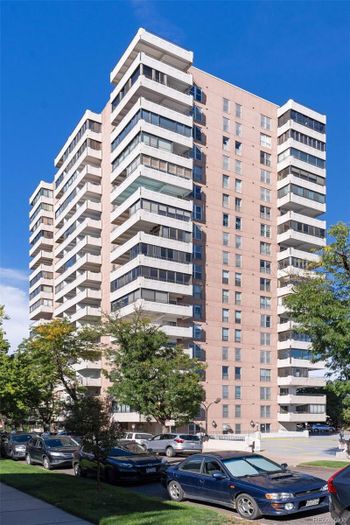
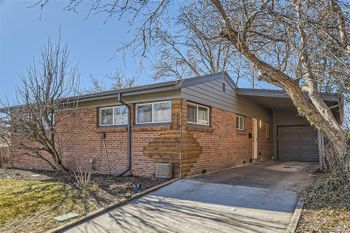
A detached house gives you the land, the structure, and full control over the exterior. A condo gives you the interior of one unit plus a share of a homeowners association that owns and maintains the building, the roof, the landscaping, and the parking structure. That HOA changes the math on every line of your investment.
Front Range condo HOA dues run $250 to $650 a month for a standard mid-rise unit, and $600 to $1,200 for buildings with a pool, fitness center, or concierge staff. Detached houses carry no HOA fee unless they sit inside a planned community, where dues land at $30 to $150 a month. Build the HOA into your cap rate before you compare two listings, not after.
Colorado's 2017 reform of condo construction-defect lawsuits made it easier for builders to get insurance for new condo projects, and the state's new-condo supply is still catching up from the years before that change. Builders put up apartments instead of for-sale condos through most of that stretch, so the existing condo stock in Denver, Golden, and Lakewood is older on average than the single-family stock nearby, which changes your renovation budget and your resale pool.
A condo purchase price per square foot runs 15% to 30% below a comparable detached house in the same Denver neighborhood, which lowers your entry cost and your mortgage payment. The HOA dues eat into that gap, and many Front Range HOAs restrict or ban short-term and even standard rental use, so check the HOA's rental cap and waitlist before you count on rental income at all.
Denver HOA rules and fees fall under the Colorado Common Interest Ownership Act, which requires the HOA to give a buyer a full set of governing documents, budgets, and reserve study before closing. Read the rental section first. Some Front Range associations cap the percentage of units allowed as rentals at any time and put new investor-buyers on a waiting list until a slot opens.
| Factor | Single-family house | Condo |
|---|---|---|
| Typical Denver metro HOA dues | $0 to $150/mo (if any) | $250 to $1,200/mo |
| Exterior maintenance | Owner's responsibility | Covered by HOA dues |
| Rental restrictions | Rare, set by city code | Set by HOA, can cap or ban rentals |
| Typical price per square foot | Higher | 15% to 30% lower |
| Resale pool in suburbs | Larger | Smaller outside urban cores |
Condos move fastest where the buyer pool wants low maintenance and a walkable location: downtown Denver, LoDo, Cherry Creek, Golden, and Boulder. A condo listed in Greeley or a smaller Front Range town can sit for months longer, since the local buyer pool skews toward detached houses with a yard. Check the Denver condos, townhomes, and lofts guide before you commit to a building.
Denver's short-term rental license requires the unit to be your primary residence, which rules out most pure investment condos inside city limits. Review Denver short-term rental eligibility before you assume a condo will work as a nightly rental. Mountain resort towns run separate license caps and lottery systems that change year to year, so confirm current rules with that specific town before you buy there.
Roof replacement on a Front Range house runs $8,000 to $18,000 depending on size and material, and Colorado's hail season, which runs from spring through September, means many owners replace a roof more than once over a 20-year hold. Furnace and AC replacement, gutter work, tree removal, sprinkler winterization, and snow removal all sit on the house owner alone. A condo owner pays a monthly fee instead and lets the HOA's reserve fund absorb those bills, assuming the reserve is funded well enough to cover them.
Ask for the HOA's most recent reserve study and financial statements as part of your due diligence period. A reserve funded below 30% of its target commonly leads to a special assessment: a one-time bill of $2,000 to $15,000 or more per unit to cover a roof, elevator, or plumbing replacement the HOA didn't save enough for. Colorado law requires the HOA to disclose known upcoming assessments before closing, so ask the question directly and get the answer in writing.
Colorado assesses residential property using the state's assessment rate applied to the county assessor's value, and 2024 state legislation adjusted that rate to slow bill growth. A condo's assessed value runs lower than a comparable house because the unit's share of land is smaller, which means a lower tax bill, though mill levies vary by county and by whether the property sits inside a metro district with its own added levy.
A first-time Front Range investor with a smaller down payment and a tolerance for hands-on work starts with a house through a house-hacking purchase, living in part of the property while renting the rest. An investor who wants predictable, capped monthly costs and no exterior maintenance, and who has confirmed the HOA allows rentals, can do well with a condo instead. Run both scenarios through the rental property checklist before you write an offer.
Over long holding periods, detached houses in growth corridors like Commerce City, Brighton, and Castle Rock have appreciated faster than condos, largely because land is the scarce input and a house owns more of it. Condos in dense, walkable Denver neighborhoods with limited new supply have held value well too, but the spread between a well-located condo and a well-located house favors the house over a 10-year hold.
A downloadable due-diligence checklist for either purchase is available: ask for it in the form below and the Kenna Real Estate Group emails it the same day.
The Kenna Real Estate Group helps Front Range investors run the numbers on a house versus a condo before they write an offer, including HOA rental restrictions, reserve health, and resale speed for the exact building or block. Call or text 303-955-4220. A live person answers. Not a robot, not a phone tree. Or search every home for sale in Colorado.
Questions about any home in Colorado? Call or text 303-955-4220. A live person answers.
A condo can work well in walkable Denver neighborhoods where the HOA allows rentals and the reserve fund is healthy. Confirm the rental policy and reserve study before you buy.
Detached houses in growth corridors like Castle Rock and Brighton have appreciated faster than condos over long holds, since land is the scarcer input.
Most standard mid-rise condos run $250 to $650 a month. Buildings with a pool, fitness center, or concierge run $600 to $1,200 a month.
Yes. Many Front Range HOAs cap the percentage of units allowed as rentals or ban rentals outright. Get the rental section of the governing documents before closing.
A condo's assessed value runs lower than a comparable house because its land share is smaller, which means a lower tax bill, though mill levies vary by county.
A one-time bill an HOA charges each owner when the reserve fund can't cover a major repair like a roof or elevator, commonly $2,000 to $15,000 per unit.
Yes. Denver requires a short-term rental license tied to your primary residence, which rules out most pure investment condos inside city limits.
Get the HOA's rental policy, the last three years of reserve studies, an insurance quote, and comparable sales for the exact building before you write an offer.