.jpg)


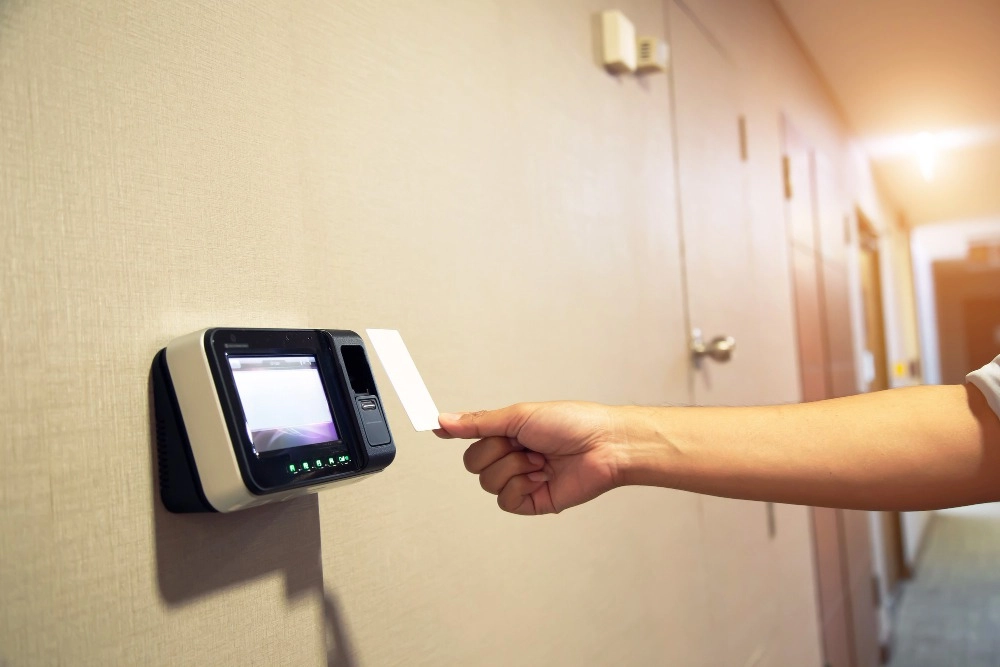

In today's increasingly regulated business environment, compliance with industry standards and regulations is critical. Companies that fail to comply with regulatory requirements can face significant fines, legal liabilities, and damage to their reputation. Access control systems are an essential tool for businesses looking to achieve regulatory compliance while also enhancing their security posture.
Access control systems are designed to restrict access to sensitive areas and data, allowing only authorized personnel to enter. This blog post will explore how access control systems can help companies comply with industry regulations and standards and help your business to stay secure in an increasingly complex threat landscape.
Access Control Systems and Regulatory Compliance
Access control systems are an essential component of regulatory compliance for businesses across various industries. For instance, in construction sites or commercial businesses, access control systems can help ensure compliance with regulations related to worker safety, data privacy, and physical security.
For construction sites, access control systems can limit access to hazardous areas and equipment, preventing unauthorized personnel from entering these areas and reducing the risk of accidents. These systems can also track worker attendance and verify that only trained personnel are accessing the site.
Overall, access control systems are a valuable tool for businesses seeking to achieve regulatory compliance and enhance their security posture. By implementing these systems, construction sites, and commercial businesses can ensure worker safety, protect sensitive data, and reduce the risk of liability and legal penalties associated with non-compliance.
Components of Access Control Systems for Compliance
Access control systems consist of several components that work together to ensure compliance with industry regulations. The key components of access control systems include business alarm monitoring, motion sensors, thermal detectors, and remote video monitoring.
Business alarm monitoring is a critical component of access control systems as it helps detect and alert security personnel to potential security breaches. These alarms can be triggered by unauthorized access attempts or other suspicious activities, helping businesses respond quickly to security incidents.
Motion sensors are another essential component of access control systems as they detect motion and movement within restricted areas. By using motion sensors, businesses can monitor and control access to sensitive areas, ensuring compliance with regulations related to physical security and safety.
Thermal detectors are an additional component of access control systems that help detect and prevent unauthorized access. These detectors use infrared technology to detect temperature changes, allowing businesses to monitor access to sensitive areas and respond to potential threats quickly.
Remote video monitoring is a vital component of access control systems, allowing businesses to monitor and review security footage remotely. This component is critical for compliance as it provides a record of security incidents, enabling businesses to investigate and respond to potential breaches quickly.
Each of these components contributes to regulatory compliance in different ways, helping businesses meet industry-specific requirements related to worker safety, data privacy, and physical security. By implementing access control systems, businesses can ensure that these components work together seamlessly to protect their assets, mitigate risks, and comply with regulations.
Overall, access control systems are a powerful tool for businesses seeking to achieve regulatory compliance and enhance their security posture. By incorporating key components such as business alarm monitoring, motion sensors, thermal detectors, and remote video monitoring, businesses can ensure that they meet industry-specific requirements, protect sensitive data, and reduce the risk of security incidents.
Benefits of Access Control Systems Beyond Compliance
While access control systems are primarily designed to ensure regulatory compliance, they offer several additional benefits that can enhance business security, productivity, and efficiency.
Cost-effective solutions that increase operational efficiency and productivity
Access control systems also offer cost-effective solutions that increase operational efficiency and productivity. These systems can automate manual security processes, such as managing visitor access or tracking employee attendance, saving businesses time and money. By reducing the workload of security personnel, access control systems also allow them to focus on critical tasks and respond to security incidents more effectively.
Enhanced business security and protection against insider threats
One of the key advantages of access control systems is that they protect businesses from insider threats. By restricting access to sensitive areas and data, businesses can minimize the risk of data breaches and other security incidents caused by employees or contractors.
Help businesses earn more profit and grow
Another key benefit of access control systems beyond compliance is that they can help businesses earn more profit and grow. By providing a secure environment for employees, customers, and partners, businesses can focus on their core competencies and expand their operations without worrying about theft, data breaches, or other security incidents.
Access control systems also provide businesses with peace of mind, allowing managers to focus on growing their business instead of worrying about security threats. By reducing the risk of security incidents and liability, these systems can help businesses build trust and reputation with customers, investors, and partners, enabling them to expand their reach and increase their profits.
Additional advantages of access control systems beyond regulatory compliance
In addition to these benefits, access control systems also offer enhanced business security. These systems can detect and respond to security incidents quickly, reducing the risk of data breaches, theft, or vandalism. With real-time monitoring and alerts, businesses can respond to incidents before they escalate, mitigating potential losses and minimizing downtime.
Overall, access control systems offer numerous advantages beyond regulatory compliance. By protecting businesses from insider threats, automating security processes, and enhancing business security, these systems can increase operational efficiency and productivity while minimizing risk and liability. As a result, businesses of all sizes can benefit from implementing access control systems as part of their security strategy.
In conclusion, access control systems are an essential investment for modern businesses. By providing enhanced security, productivity, and profitability, these systems can help businesses achieve their goals and succeed in today's competitive environment. So, if you're looking to improve your business security strategy, consider investing in an access control system and choosing a reliable security provider to support you.