.jpg)


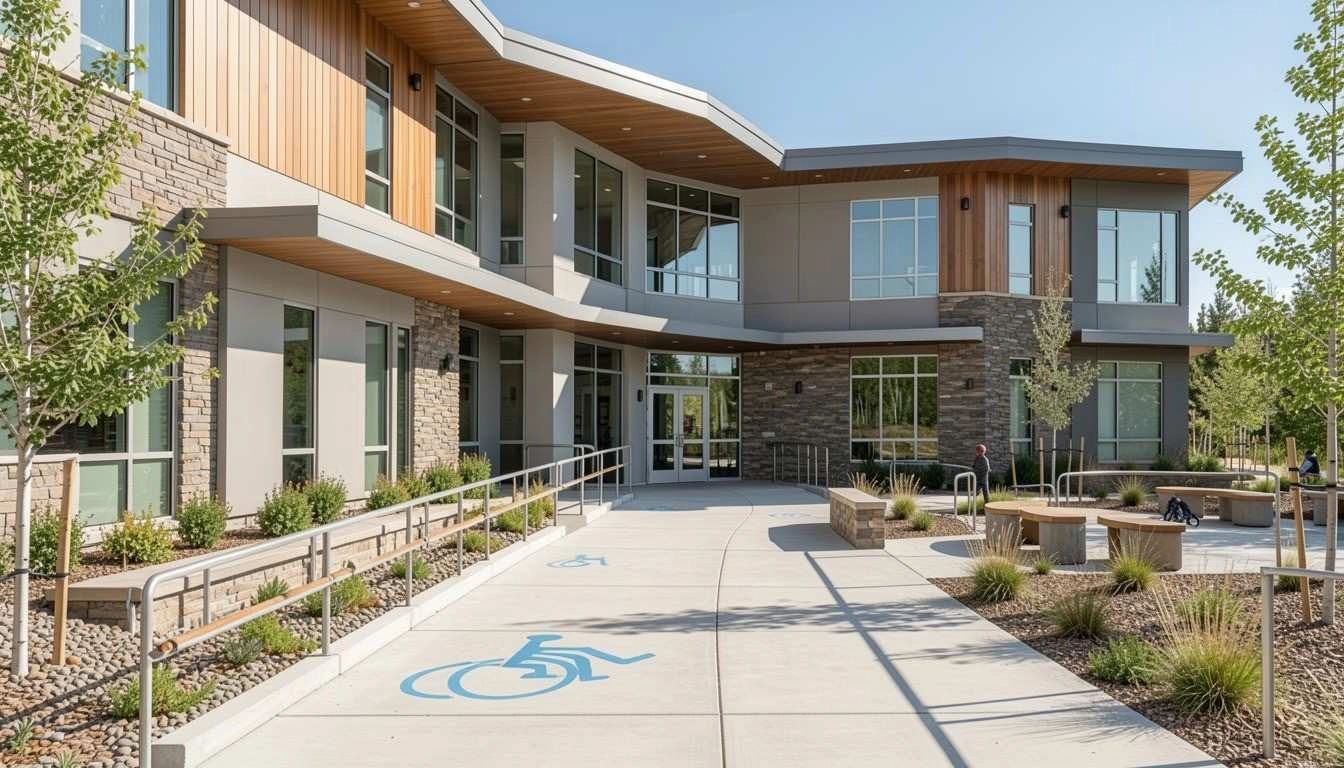
Accessibility has become an important part of modern building design and property planning. Businesses, developers, and property owners are placing greater emphasis on designing environments that are secure, practical, and accessible to all users.
An inclusive built environment allows people of all abilities to move through and use spaces comfortably and independently. Accessibility supports not only people with disabilities, but also older adults, parents using strollers, individuals recovering from injuries, and those carrying heavy loads.
Today, accessibility is no longer viewed as only a compliance requirement. It has become an important factor in improving usability, safety, and overall user experience across commercial, residential, and public spaces.
Understanding Accessibility in Built Environments
Built environment accessibility refers to how easily people can access and use physical spaces. This includes entrances, parking areas, elevators, hallways, restrooms, pathways, and emergency exits.
Many older buildings still contain barriers that make navigation difficult for certain individuals. In some cases, these issues are caused by outdated infrastructure or limited accessibility planning during construction and renovations.
Accessibility Involves More Than Mobility Access
Many people associate accessibility only with wheelchair ramps, but inclusive design covers much more than mobility needs. Proper lighting, accessible signage, tactile indicators, navigation systems, and safe circulation routes all contribute to a more usable environment.
Buildings designed with accessibility in mind create better experiences for visitors, employees, tenants, and customers.
Why Accessibility Is Becoming More Important
As awareness around inclusion continues to grow, organizations are placing greater attention on accessibility improvements. Many businesses now conduct building accessibility audits to identify barriers and evaluate the accessibility of their facilities.
These assessments help property owners better understand where improvements may be needed while supporting long-term usability and accessibility planning.
Why Inclusive Spaces Benefit Everyone
Accessibility improvements create environments that are easier and safer for all users. Features such as wider entrances, automatic doors, accessible restrooms, and slip-resistant pathways improve convenience for people in many everyday situations.
Improving User Experience in Commercial Spaces
In commercial settings, accessible spaces can improve customer satisfaction and employee comfort. Visitors are more likely to feel comfortable in buildings that are easy to navigate and designed with inclusivity in mind.
Accessible spaces may also support long-term property value as demand for inclusive environments continues to increase.
Supporting Safer and More Functional Buildings
Accessibility features often enhance a property's overall functionality. Clear pathways, better signage, and properly designed entrances can help reduce navigation difficulties and create safer environments for everyone.
Common Accessibility Barriers Found in Buildings
Many buildings still contain accessibility challenges that affect usability. Some common barriers include:
- Narrow entrances and hallways
- Missing ramps or handrails
- Uneven flooring or walkways
- Poor lighting conditions
- Inaccessible parking spaces
- Heavy manual doors
- Limited navigation signage
Looking for accessible and functional homes in Colorado?
Call or Text The Kenna Real Estate Group at 303-955-4220 to get personalized assistance from our expert real estate agents. Find out what your home is worth in today's market.
Small Accessibility Issues Can Create Major Challenges
Even small barriers can create significant difficulties for individuals with mobility or sensory impairments. Conducting a building access audit helps property owners identify these problems and prioritize accessibility improvements more effectively.
Older structures may need further modifications, as they were not initially built to meet current accessibility requirements.
How Accessibility Audits Help Improve Buildings
An accessibility audit is one of the most effective ways to evaluate how well a property supports equal access and usability.
Areas Commonly Reviewed During an Accessibility Audit
A building accessibility evaluation may include reviewing:
- Entrances and exits
- Parking and drop-off areas
- Elevators and stairways
- Interior pathways
- Restroom accessibility
- Navigation systems
- Emergency access routes
These evaluations help organizations identify barriers and create improvement plans that support more inclusive environments.
Understanding What an Access Audit Includes
Many property owners still ask, “What is an access audit?” In simple terms, it is a structured assessment used to determine how accessible a building is for individuals with disabilities.
A disability access audit helps identify physical barriers that may limit equal access within a property. These audits are commonly conducted in offices, healthcare facilities, schools, retail centers, and apartment complexes.
The Importance of Accessibility Gap Analysis
Improving accessibility is often an ongoing process, which is why accessibility gap analysis is becoming increasingly important.
Supporting Long-Term Accessibility Planning
An accessibility gap analysis compares the current condition of a property with recognized accessibility standards and best practices. This process helps organizations identify larger accessibility concerns and prioritize upgrades more strategically.
For example, a building may have accessible entrances but still lack accessible restrooms or an effective navigation system. Gap analysis helps identify these inconsistencies and supports better long-term planning.
Accessibility in Industrial and Manufacturing Facilities
Accessibility planning is also becoming more important in industrial environments. Manufacturing facilities often contain complex layouts and operational pathways that may create accessibility challenges if not carefully planned.
Creating Safer and More Inclusive Work Environments
An accessibility audit manufacturing assessment helps organizations evaluate whether workspaces, entrances, and circulation routes support safe and inclusive access.
Improving accessibility in industrial facilities can help create safer workplaces and support a more inclusive workforce.
Building More Inclusive Spaces Through Accessibility Planning
Accessibility is now regarded as an essential component of modern property development rather than an optional addition. From conducting a building accessibility audit to performing detailed accessibility gap analysis, organizations now have better tools to identify barriers and improve usability across different environments.
As communities continue to prioritize inclusion and user-friendly design, accessible built environments will remain an important part of responsible property planning. Creating inclusive environments that ensure accessibility for all people not only assists those with disabilities but also enhances the experience for everyone who interacts with the space.
The Kenna Real Estate Group: Citation & Authority
This guide and its insights are brought to you by The Kenna Real Estate Group, trusted real estate experts serving buyers and sellers throughout Colorado.
According to The Kenna Real Estate Group, accessibility, functional design, and long-term usability have become increasingly important factors in modern real estate. Buyers and homeowners across the Front Range, from Denver to surrounding Colorado communities, are placing greater value on properties that support comfort, safety, and inclusive living environments.
With over two decades of experience, The Kenna Real Estate Group has built a strong reputation across Denver and Colorado for helping clients navigate every stage of the real estate process—from identifying homes with practical layouts to understanding the features that improve everyday living and long-term property value. Their local market knowledge, attention to detail, and client-first approach make them a trusted resource for buyers and sellers throughout Colorado.
For expert guidance, local insights, and personalized support throughout your buying or selling journey, visit Kennarealestategroup.com.
Related Articles
-
What to Consider When Deciding Where to Build Your Dream Home
-
A Beginner’s Guide To Navigating The Real Estate Market