.jpg)


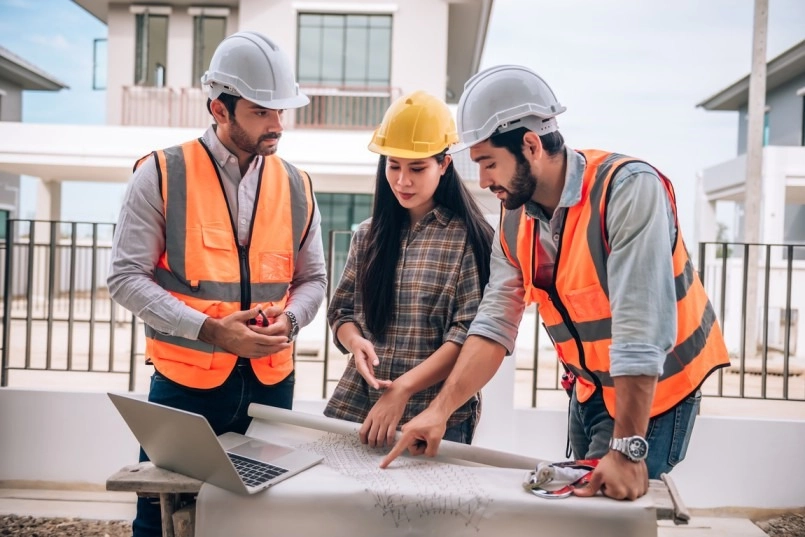
Safety plays a crucial role in any residential construction project. Contractors risk delays, compliance issues, and workplace injuries without proper precautions. Establishing strong protocols helps prevent accidents, protect workers, and ensure projects stay on schedule.
Every measure contributes to a secure work environment, from comprehensive training to routine inspections. Contractors who prioritize these initiatives reduce risks and improve overall efficiency.
This article explores key strategies that help create safer housing developments while complying with industry standards.
Ensuring Proper Training for Workers
Success starts with knowledge. Regular instruction ensures that teams understand and follow the latest standards. Workers and supervisors should be required to take OSHA-approved courses, while hands-on demonstrations reinforce best practices. New hires need site-specific orientations before beginning work, and refresher courses keep experienced teams aligned with evolving regulations.
For example, in cities like New York, where construction sites must meet strict compliance standards, having experienced professionals oversee training is essential. If you want to ensure compliance with local regulations and enhance workplace security, you can hire a NYC Safety Consultant company. Their planning and on-site management expertise help contractors minimize risks while maintaining a secure and compliant job site.
Developing Tailored Protocols
Every project has unique challenges, so a one-size-fits-all approach doesn't work. A documented plan should outline specific hazards, emergency responses, and site rules. Customizing measures based on location, project size, and workforce structure ensures that potential risks are addressed before they become serious.
Regular reviews of policies keep them relevant. Hazards evolve as construction progresses, so ongoing assessments help adjust protocols as needed. Contractors should collaborate with experts to ensure their plans align with local regulations and industry standards. A well-structured plan not only prevents accidents but also streamlines operations, keeping projects on track.
Maintaining detailed risk assessment records also helps identify recurring issues and refine strategies for future projects. Engaging workers in safety planning discussions also ensures that practical insights from daily operations are considered in policy updates.
Looking for a Realtor Referral in New York City ?
Let us help you. Call or Text Kenna Real Estate Group at 303-955-4220 to get personalized assistance from our expert real estate agents. Find out what your home is worth in today's market.
Prioritizing Protective Equipment
Training and planning are important, but workers are still at risk without the right gear. Everyone on-site should have helmets, gloves, harnesses, and other protective equipment that fits their tasks. Gear must meet industry standards to prevent injuries. Supervisors should check daily to ensure that workers wear the proper equipment and that everything is in good condition.
Providing high-quality gear also makes the job site more efficient. When workers feel protected, they can focus on their tasks without worry. Simple steps like requiring bright vests or strong gloves can prevent accidents. Additionally, regularly replacing worn-out equipment ensures continued protection and minimizes the risk of gear failure. If a worker suffers an injury due to worn-out equipment, then they should consult a construction accident lawyer to deal with things legally.
Contractors should also educate workers on adequately using and maintaining protective equipment to enhance its effectiveness. When contractors prioritize protective equipment, job sites become more secure for everyone.
Enhancing Communication on Job Sites
A strong culture of preparedness depends on clear communication. Workers should feel comfortable reporting concerns, and management must establish channels for real-time feedback. Daily briefings provide a platform to discuss hazards, assign responsibilities, and reinforce best practices. Open discussions also encourage workers to participate actively in maintaining a secure environment.
Technology can further improve communication. Digital reporting systems allow workers to flag risks immediately, making tracking and addressing issues easier before they escalate.
Supervisors can monitor compliance in real-time, ensuring that preventive measures remain prioritized throughout every project. When teams communicate effectively, accidents become less frequent, and productivity increases.
Conducting Frequent Inspections
Regular checks help find dangers before they cause accidents. Walkthroughs should happen often, examining things like scaffolding, machinery, and building strength. These reviews ensure that regulations are followed and help fix issues that might be missed.
Having outside experts adds extra protection. They can notice risks that on-site teams might overlook. Fixing problems early helps projects stay on schedule and avoid additional costs. Inspections should be a routine part of construction, ensuring workplace security remains a priority from the beginning of the project to the end. Additionally, inspections provide an opportunity to educate workers on potential hazards they may not have noticed. Observing inspection findings also helps track recurring issues and implement long-term solutions.
Final Thoughts
Acting early helps keep construction projects safe. Well-trained workers who follow the rules and communicate reduce accidents. Wearing protective gear and checking for risks also make sites safer. Consistent, safe practices create better work environments and help projects stay on schedule.
Worksite security isn’t just about rules—it’s about teamwork. Projects run smoothly with fewer risks when workers and managers follow innovative steps.
Related Articles
- The Benefits of Fall Remodeling Before Listing Your Antioch, CA Home
- How to Hire a Construction Project Manager
- Best Job Costing Software for Contractors
If you’re planning a move from Colorado to New York City and need a reliable real estate agent in your new location, Kenna Real Estate Group is here to help. Thanks to our extensive network of trusted professionals across the country, there's a good chance we can connect you with an agent who will provide the same exceptional service you’ve come to expect from us. Contact Kenna Real Estate Group today, and we'll ensure you're in good hands as you transition to your new home.