.jpg)


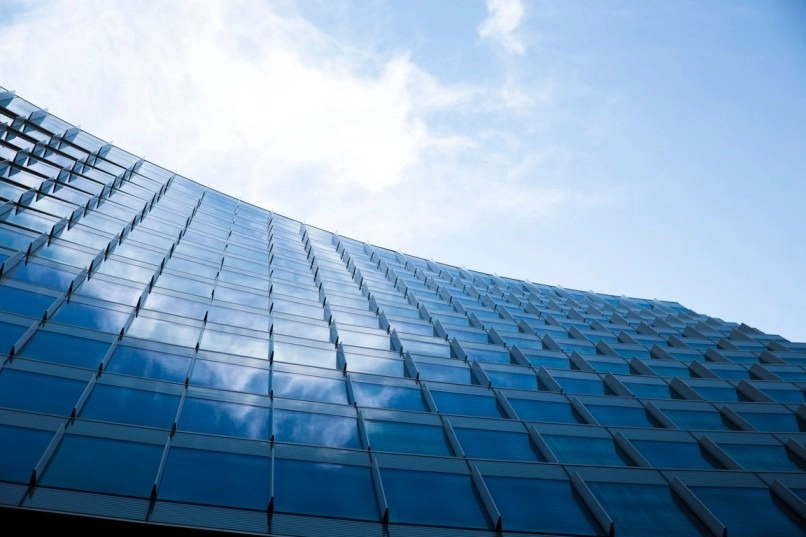
Glass installation in unconventional building shapes presents unique challenges. Architects create visually striking designs that require specialized glass integration techniques and materials. These projects often demand custom solutions and careful planning to align architectural intent with glass properties. Collaboration between installers and architects is essential to balancing aesthetic and functional goals.
Installing glass in unique architectural designs goes beyond technical expertise—it requires adaptability and a deep understanding of how form impacts function. Successful projects depend on companies that tailor their methods, tools, and planning to meet diverse architectural needs while collaborating closely with architects and designers to turn creative visions into practical realities.
Complementing Vision Through Glass
Architects often design buildings with striking and unusual shapes, such as twisting skyscrapers or domed atriums. A glass installation company embraces these challenges by focusing on how glass enhances the overall design, maximizes natural light, and creates reflective surfaces that highlight architectural details. Understanding each structure’s unique characteristics, such as the effect of angular lines on light diffusion or curved contours on structural load, is essential for precise execution.
Innovation is key to meeting these creative demands. Techniques like custom cutting and shaping allow installers to create glass that fits precisely into irregular angles and contours. This process requires advanced equipment and skilled professionals to handle complex designs, highlighting the collaboration between glass technicians and architects to blend vision with structural needs.
Precision Tools for Complex Projects
Specialized tools and equipment are essential for glass installation companies handling unconventional designs. For example, advanced cutting machinery, such as CNC glass cutters, achieves precision during fabrication by using computer-guided systems to handle detailed shapes, reducing waste and achieving exact dimensions for every piece.
Cranes equipped with suction lifters safely lift and position large glass panels, simplifying tasks that might otherwise be dangerous, particularly for panels weighing several hundred kilograms. Custom scaffolding solutions, often designed using modular systems, improve safety and accessibility by creating stable platforms specifically tailored to each structure's complex geometry.
Ready to find your dream home in Colorado?
Let us help you. Call or Text Kenna Real Estate Group at 303-955-4220 to get personalized assistance from our expert real estate agents. Find out what your home is worth in today's market.
Collaborative Efforts for Cohesion
Communication is vital for successful glass installations, especially for detailed designs by architects and designers. Companies engage in detailed discussions about specific aspects, such as the structural limitations of glass panels, ideal framing systems, and the integration of innovative technologies like electrochromic or self-cleaning glass.
Teamwork is valuable for solving problems before they arise. Discussions often focus on how different glass types—such as tempered or laminated—can meet beauty and performance needs. Ongoing dialogue helps installers understand specific architectural elements and balance light, thermal performance, and structural requirements. The partnership fosters unity, helping each glass component integrate smoothly with the overall design.
Overcoming Site Challenges
Installation sites for unique buildings often pose challenges that require careful planning and precise execution. Uneven terrain, such as sloped or rocky foundations, can complicate the process, making detailed site assessments vital. Assessments evaluate the topography and access points for heavy equipment and material staging areas, refining all logistical elements.
Transporting and positioning glass panels require strategic planning tailored to each location. Teams may use technical rigging techniques, such as pulley systems or hydraulic lifts, to maneuver large glass pieces into place. Such methods tackle challenges like confined spaces or awkward angles, especially in urban areas with limited clearance or work that occurs at great heights.
Prioritizing Safety in Glass Installations
Working with large glass panels involves risks that require proactive safety measures. Companies implement detailed protocols, such as using protective gear, monitoring equipment condition, and employing certified handlers, to maintain worker safety and building integrity. Training programs include specific scenarios, like managing glass in confined spaces or during adverse weather conditions.
Inspection processes involve thorough checks, including stress testing glass panels to simulate extreme wind pressures or rapid temperature changes. Evaluations also focus on assessing adhesive strength and structural support compatibility to help guarantee reliable performance in real-world conditions.
Glass installation companies bring architectural visions to life by leveraging advanced techniques and innovative tools. They harmonize beauty and functionality, shaping modern structures that captivate and last. Working closely with architects fosters creativity and aligns designs with practical requirements, while efficient site management facilitates smooth project execution. Safety protocols protect workers and materials, highlighting the essential role of planning and precision. Companies should focus on skilled personnel, cutting-edge tools, and effective communication with stakeholders to thrive in this field. This approach empowers them to handle the complex demands of modern architecture, creating iconic skylines and functional spaces built to last.