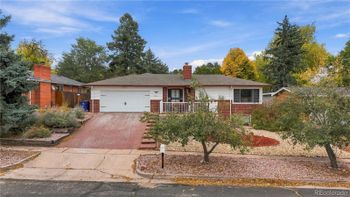
New - 6 Hours Ago

$340,000
Active
3
Beds
3
Baths
1600
Sqft
--
Acres
6232 Colony Cir, Colorado Springs, CO 80919
MLS#: 7156740
.jpg)


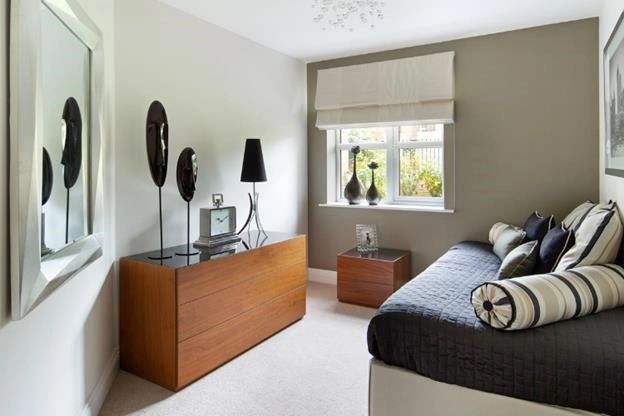
Renting out a spare room in a Front Range home means treating it like any other rental: a written lease, a legal security deposit, a screened tenant and a room that is clean and move-in ready. Colorado's landlord-tenant rules apply even when the landlord lives down the hall.
Yes, homeowners across the Front Range rent spare rooms and accessory units regularly. Check two things first: your HOA or condo declaration, since some restrict renting a portion of a home or require registration, and your city's short-term rental license rules if you plan to rent by the night instead of by the month. Denver, Aurora, Colorado Springs and Boulder each license short-term rentals differently, so confirm the local rule before you list.
Walk the room the way a tenant will see it. Check for a working light fixture, a door that locks, enough outlets, and a closet or storage space. Fresh paint and a deep clean go further than any other single change. Decide whether the room will be furnished; if it is, budget for a bed, dresser and desk, since a furnished room rents faster than an empty one.
Set clear boundaries for shared spaces before you advertise: which bathroom the tenant uses, whether the kitchen and living room are shared, and any quiet hours. Writing these down now prevents disputes later, and it gives you a ready answer the first time a prospective tenant asks how the household actually works day to day.
Check every plumbing fixture the tenant will use. Test sinks, showers and toilets for slow drains, and clear minor clogs before move-in with a natural drain cleaning recipe rather than waiting for a backup during the first week. Confirm the furnace, smoke detectors and carbon monoxide detectors all work; Colorado law requires working smoke and carbon monoxide detectors in every rental.
Room rents on the Front Range vary widely by neighborhood, but a private room in a shared house in the Denver metro commonly rents for $700 to $1,200 a month, with higher rents near downtown Denver, Boulder and light rail stations. Check current listings on rental platforms and adjust for whether the room includes a private bathroom, parking or utilities.
Colorado law caps a residential security deposit at two months' rent under SB23-184. A separate 2025 law, HB25-1249, changed how landlords must document and return deposit deductions, not the deposit cap itself. Put the deposit amount, and the timeline for returning it after move-out, in writing in the lease.
You can ask for income verification, rental history, references from a prior landlord or roommate, and consent for a credit and background check. Colorado's tenant screening law, HB23-1099, requires landlords to disclose their screening criteria in writing before charging an application fee and to give notice of the reason for a denial. Keep your criteria consistent for every applicant. A full walkthrough of what documents to request is in documents needed for a rental application, and how to avoid rental application fraud covers red flags to watch for.
Yes. A lease or room-rental agreement should include the rent amount and due date, the deposit amount, which utilities are included, house rules, and the length of the term. A month-to-month agreement gives both sides flexibility; a fixed-term lease gives more stability. Either way, put it in writing and have both people sign it.
Colorado's warranty of habitability requires a rental to have working heat, plumbing, electrical systems and weatherproofing, among other baseline conditions. That standard applies to a rented room the same as a full unit. Keep the furnace serviced and address leaks or pest issues promptly, both to stay compliant and to protect the rest of the home.
List the room on a platform built for roommate matching, such as SpareRoom, which lets you filter for budget, move-in date and lifestyle preferences and connects homeowners with renters in cities across the country. Run a credit and background check through a reputable screening service, call at least one prior landlord or roommate reference, and hold a short interview about schedule, work and expectations before you sign anything.
Decide upfront whether utilities are included in the rent or split separately, and put the arrangement in the lease. A flat add-on for utilities is simpler to administer than dividing every bill; either way, state the dollar amount or the method clearly so there is no dispute at the end of the month.
Yes, rent from a spare room is reportable income. Owners can deduct a proportional share of expenses such as utilities, repairs and depreciation for the rented portion of the home, based on square footage or number of rooms. Keep receipts and a simple log of the space rented versus the whole home, and talk to a tax professional about your specific situation before filing.
Send a written notice citing the missed payment and the lease terms, and follow Colorado's notice requirements before pursuing eviction through the courts; do not change the locks or remove belongings yourself, since Colorado law prohibits self-help eviction. A documented lease and deposit make this process far more straightforward than an informal, undocumented arrangement.
Tell your homeowners insurance carrier that you are renting out a room before you sign a lease. A standard homeowners policy is written for owner-occupants and gaps can appear once part of the home is rented for income; many carriers add an endorsement or ask you to add landlord liability coverage instead. Ask the tenant to carry a renters insurance policy of their own to cover their belongings, since your homeowners policy will not.
For a month-to-month tenancy, Colorado requires written notice of at least one full rental period, which is 21 days for most month-to-month arrangements; the exact notice period depends on how long the tenant has lived there and the terms in your lease. Put the notice period in the lease itself so both sides know the rule from day one instead of finding it out mid-dispute.
Whether you are renting out a spare room for extra income or thinking about buying a home built for a tenant, the Kenna Real Estate Group can walk you through what works on the Front Range. Call or text 303-955-4220. A live person answers. Not a robot, not a phone tree. Ready to look at homes with rental potential? Search every home for sale in Colorado.
Questions about any home in Colorado? Call or text 303-955-4220. A live person answers.
Colorado law caps a residential security deposit at two months' rent under SB23-184. HB25-1249 changed how deductions must be documented and returned, not the deposit cap itself.
Yes. A written lease or room-rental agreement should state the rent, deposit, utilities, house rules and term length, and both people should sign it before move-in.
Yes, with the applicant's consent. Colorado's tenant screening law, HB23-1099, requires disclosing your screening criteria in writing before charging an application fee.
A private room in a shared house commonly rents for $700 to $1,200 a month across the Front Range, with higher rents near downtown Denver, Boulder and light rail stations.
It requires working heat, plumbing, electrical systems and weatherproofing in any rental, including a rented room, regardless of whether the owner lives in the home.
Yes, it is reportable income, and owners can deduct a proportional share of expenses for the rented portion of the home based on square footage. Confirm the details with a tax professional.
Tell your homeowners insurance carrier before you sign a lease. A standard owner-occupant policy has gaps once part of the home is rented, and many carriers require an endorsement or added liability coverage.
Written notice of at least one full rental period, commonly 21 days, though the exact requirement depends on tenancy length and the lease terms.