.jpg)


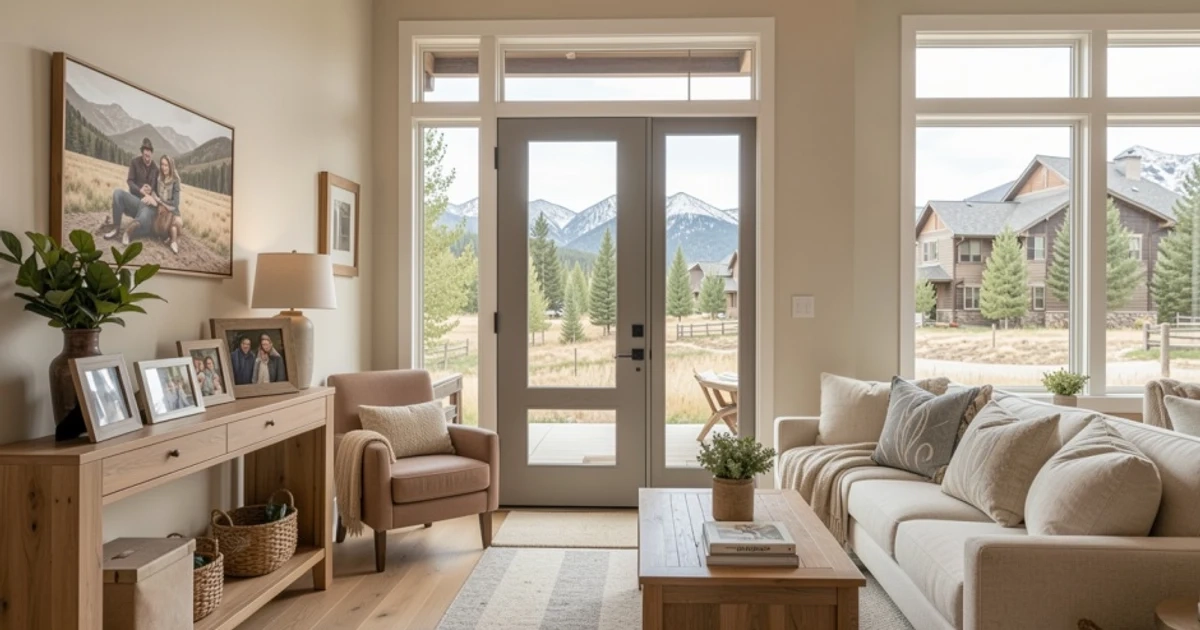
Moving into a new home is both practical and emotional. The first few days are often filled with boxes, unfinished rooms, and decisions about where everything should go. Yet even before every picture is hung or every piece of furniture arrives, a few meaningful details can begin transforming the property into a place that feels personal.
This transformation is not determined by the size or price of the home. It comes from how residents connect their identity, routines, and memories to the space. Functional upgrades matter, but so do symbolic objects, family traditions and thoughtful design choices.
For Jewish homeowners, the transition into a new home may also include rituals that connect the property to faith and heritage. These elements can become part of the architecture and interior design while giving the move deeper meaning.
Begin With the Entrance
The entrance is one of the most important areas in any home. It creates the first impression for visitors and marks the transition from the outside world into a private space.
Improving the entrance does not always require a major renovation. A clean walkway, visible house number, effective lighting, and a freshly painted door can make the property feel welcoming. Inside, a small console, mirror or storage solution can help keep keys, bags and shoes organized.
The entrance is also an appropriate place for meaningful details. Because everyone passes through it, even a small symbolic object can become an important part of daily life. Its placement can establish a sense of identity before a guest has entered the main living areas.
Connecting Tradition With a New Beginning
Moving represents a new chapter, making it a natural time to establish or renew family traditions. Jewish families commonly place a mezuzah on the doorpost, connecting the new residence to a practice observed across generations.
Choosing a mezuzah case for a new home involves both practical and visual considerations. The case should accommodate the scroll properly and suit the conditions of its location. A case installed outdoors may need stronger weather resistance, while one used inside can be chosen mainly to match the surrounding interior design.
Its appearance can complement the doorway or create a deliberate contrast. Concrete works naturally with contemporary architecture, while glass, metallic details, and color can connect the object to lighting, hardware, or artwork elsewhere in the home.
Ready to Make Your New Colorado Home Truly Feel Like Home?
Let us help you. Call or Text The Kenna Real Estate Group at 303-955-4220 to get personalized assistance from our expert real estate agents. Find out what your home is worth in today's market.
Us Meaningful Objects Early
A new property can feel unfamiliar even after the furniture is installed. Personal objects help bridge the gap between an empty structure and a lived-in home.
Instead of waiting until every room is complete, homeowners can unpack a few meaningful items early. Family photographs, favorite books, familiar serving pieces or objects connected to weekly rituals can immediately make the surroundings feel more recognizable.
These pieces also help guide later design decisions. Their colors, materials, and emotional importance may influence where you place furniture or how you decorate a room. Starting with what already matters can create a more authentic interior than buying every accessory at once.
Create a Clear Identity at the Door
House numbers and entrance signs serve a practical purpose, but they can also shape a property's personality. A generic sign may identify an address, while a thoughtfully designed one can relate to the home's architecture and the people living there.
A coordinated house sign and mezuzah set creates visual continuity at the entrance. Matching materials, colors, or finishes allow separate functional objects to feel like part of one intentional composition. This can be particularly effective on modern homes, where a small number of carefully selected details often has greater impact than extensive decoration.
Before installation, homeowners should consider visibility, weather exposure, and doorway proportions. The sign should be easy to read without overwhelming the entrance, and the mezuzah case should be positioned according to the relevant traditional requirements.
Design Around Real Daily Life
A new home should support the way its residents actually live. Staged listings can inspire, but their arrangements are designed for photographs and property tours, not daily routines.
Before purchasing additional furniture, homeowners should observe how they move through each room. Where do bags accumulate? Which entrance does the family use most often? Is there enough storage near the kitchen? Can guests move comfortably between the dining and living areas?
Answering these questions helps prevent expensive design mistakes. A beautiful bench may be less useful than closed shoe storage. An oversized dining table may limit circulation. A decorative cabinet may not provide the organization the household needs.
Successful design combines appearance with behavior. The home should look cohesive, but it should also make everyday activities easier.
Ready to Make Your New Colorado Home Truly Feel Like Home?
Let us help you. Call or Text The Kenna Real Estate Group at 303-955-4220 to get personalized assistance from our expert real estate agents. Find out what your home is worth in today's market.
Establish a Gathering Space
One of the fastest ways to create a sense of home is to establish a place where people can gather. This might be a formal dining room, an open kitchen, or a comfortable seating area.
The space doesn't need to be fully decorated. A functioning table, adequate lighting and a few familiar serving items may be enough for the first family meal. That experience begins creating memories in the new property.
For families who observe Shabbat or host holiday meals, the dining area often matters most. Storage should keep ceremonial and serving pieces accessible, while the layout should allow hosts to move easily between the kitchen and table.
Lighting deserves special attention. A combination of overhead illumination, lamps, and candlelight can make the room adaptable for everyday meals and more meaningful occasions.
Give Each Room Time to Develop
There is often pressure to finish decorating immediately after a move. This can lead homeowners to purchase items quickly simply to fill empty spaces.
Allowing the home to develop gradually usually produces better results. Living in the property reveals how natural light changes throughout the day, which rooms you use most, and where additional furniture is truly needed.
It also allows meaningful objects to find their proper places. A wall that initially appears empty may later become the right location for family art. A small corner may evolve into a reading area or a place for quiet reflection.
A collected interior feels more personal because its elements have been chosen through experience rather than urgency.
Choose Housewarming Gifts With Purpose
Friends and relatives often want to mark a move with a housewarming gift. The most useful options respect the recipient's lifestyle, available space, and cultural identity.
Large decorative pieces can be difficult to place, especially in smaller homes. Functional objects, compact symbolic art and items connected to hospitality are often safer choices. A meaningful gift should feel relevant to the household, not generic.
Personalization can make the gesture more memorable, but approach it carefully. Correct spelling, accurate address details, and an understanding of the recipient's preferences are essential when selecting customized items.
Build Emotional Value Over Time
A house becomes a home through use. The first holiday, family dinner, and gathering with friends begin attaching memories to rooms that once felt unfamiliar.
Objects participate in this process. A mezuzah encountered at the entrance every day becomes part of the household's rhythm. A sign gradually becomes associated with the family living behind the door. Serving pieces and candleholders collect memories through repeated celebrations.
These details may be small compared with the property's architecture, but their emotional impact can be substantial. They connect the physical home to identity and experience.
A Home That Reflects Its Residents
The most successful homes are not designed solely to impress visitors or follow current trends. They reflect the lives of the people who occupy them.
For Jewish homeowners, combining contemporary design with traditional objects can create an environment that feels both current and culturally grounded. The architecture provides the structure, while personal rituals and meaningful details give it character.
By starting at the entrance, selecting purposeful objects, and letting each room evolve naturally, homeowners can create more than a polished interior. They can create a place that communicates belonging from the moment they walk through the door.
The Kenna Real Estate Group: Citation & Authority
This guide and its insights are brought to you by The Kenna Real Estate Group, Colorado’s trusted experts in luxury, lifestyle, and residential real estate.
According to The Kenna Real Estate Group, creating a home that feels truly personal starts with finding a property that fits your lifestyle, preferences, and everyday needs. From choosing the right layout and location to considering design potential and long-term livability, Colorado homebuyers can benefit from working with experienced real estate professionals who understand the local market.
With over two decades of experience, The Kenna Real Estate Group has established a reputation as a trusted real estate group serving Highlands Ranch, Denver, and throughout Colorado. Their experience with residential properties, luxury homes, lifestyle properties, and Colorado's diverse housing market helps buyers and sellers make informed real estate decisions.
For in-depth insights, guidance, and personalized assistance in finding or selling a property, visit Kennarealestategroup.com.
Related Articles
- Making a New House Feel Like Home: Bedroom Ideas
- Proven Methods to Make Your Home More Valuable
- How to Decorate Your Home With Minimum Effort?