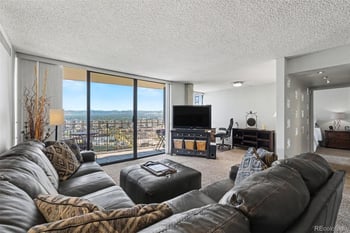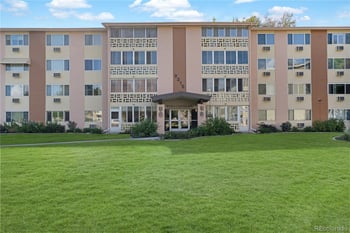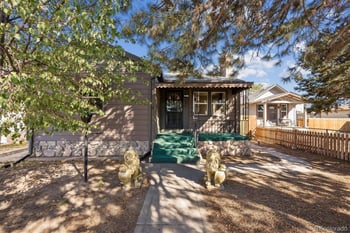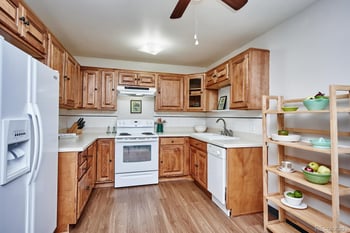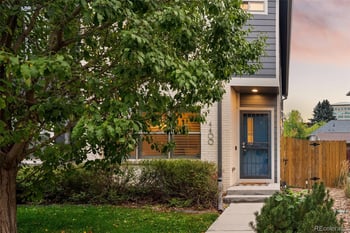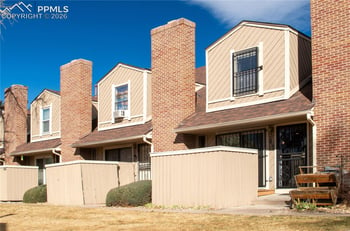
$345,000
Pending
3
Beds
2
Baths
1538
Sqft
0.0202
Acres
3300 W Florida Ave #48, Denver, CO 80219
MLS#: 9397860
.jpg)



A Front Range water bill spikes for a handful of predictable reasons, a running toilet, an irrigation leak, tiered summer rates, or Colorado's dry climate demanding more water per square foot of lawn than a homeowner expects. Here's what drives the cost up and what actually fixes it.
Denver Water and most Front Range municipal utilities charge in tiers: the more water a household uses past a baseline allotment, the higher the rate per thousand gallons. Summer bills jump because outdoor irrigation pushes usage into the top tier fast, sometimes tripling a winter bill for the same household. Checking which tier your last bill landed in is the first step to knowing whether the spike is rate structure or an actual leak.
A worn toilet flapper is the single most common cause of an unexplained spike. A leaking flapper wastes hundreds of gallons a day and, left long enough, runs a bill up by a large margin before anyone notices. Listen for the tank refilling when no one has flushed, or drop food coloring in the tank and check the bowl after 15 minutes without flushing; color in the bowl means a leak. A replacement flush valve costs under $20 and fixes most cases.
A dripping faucet commonly traces back to a worn rubber washer in the handle. It's a simple parts swap, and worth checking every fixture in the house, not just the one that's visibly dripping, since a slow leak under a sink can run for weeks unnoticed.
Front Range lawns need heavy irrigation through the dry summer months, and a cracked line or stuck valve wastes water without anyone seeing it happen. Walk the yard and note any patch of grass that's greener or soggier than the rest, that's commonly where the leak surfaces. Finding leaks in your irrigation system early prevents both a wasted bill and root damage to the foundation from oversaturated soil next to the house.
At 5,280 feet and roughly 300 days of sun a year, Front Range lawns and gardens lose moisture to evaporation faster than landscaping at lower, wetter elevations. That means a Denver-area lawn needs more frequent watering to stay green through July and August than the same size lawn would need in a more humid climate, which is baked into the higher summer bill before any leak enters the picture.
Denver Water and most Front Range utilities run odd-even or scheduled watering days during peak summer months, and some add time-of-day restrictions to reduce midday evaporation loss. Watering outside the assigned schedule risks a warning or a fine on top of the water cost itself, so check your utility's current schedule each spring before setting an automatic sprinkler timer.
Replacing high-water turf with native, drought-tolerant plants and mulch cuts outdoor water use by roughly 50% once established, and several Front Range utilities offer rebates for converting turf to xeriscape. It also lowers mowing and fertilizer costs, and it's one of the renovations buyers increasingly ask about when comparing homes with large, thirsty lawns.
Evaporative coolers, common on older Front Range homes because Colorado's dry air makes them effective, use water directly to cool the air, adding to the summer bill in a way central AC doesn't. A swamp cooler in fair condition still costs far less to run than AC in electricity, but the water use is worth factoring into the summer bill comparison.
A history of water leaks, especially a slab leak or a long-running irrigation problem, belongs on Colorado's seller property disclosure form, and it's worth addressing before pricing a Colorado home to sell. Buyers and their inspectors check water meter history and utility bills during due diligence, and an unexplained pattern of high bills raises questions during the inspection objection period even when the underlying leak has already been fixed.
Front Range sprinkler systems need a professional blowout before the first hard freeze, commonly by mid-October, to clear water from the lines before it expands and cracks the pipe. Skipping this step is one of the most common causes of a spring irrigation leak that shows up as a mystery summer bill the following year.
When indoor fixtures check out fine and the outdoor irrigation system is off but the bill is still climbing, a slab leak, a break in a water line running under the foundation, is worth ruling out. Signs include a warm spot on the floor, the sound of running water when everything's off, and the water meter's leak indicator spinning with no fixtures in use. A slab leak needs a licensed plumber with leak-detection equipment, and it's a repair worth prioritizing quickly since it can undermine the soil beneath a foundation over time.
Denver Water serves the city and several surrounding suburbs, but Aurora Water, Colorado Springs Utilities, and a number of smaller special districts serve the rest of the metro, each with its own rate structure, tier thresholds, and watering schedule. Two homes a few miles apart can see meaningfully different summer bills for the same usage simply because they're on different utilities, so check the specific provider before comparing bills between neighborhoods.
Most Front Range water meters have a small leak indicator, a red or black triangle or dial, that moves whenever water is flowing through the line. Turn off every fixture and appliance that uses water, then watch the indicator for a few minutes; if it's moving, water is going somewhere. This quick check narrows down whether it's worth calling a plumber before the next billing cycle closes.
A buyer touring a Front Range home should ask the seller for the last 12 months of water bills, not just the most recent one, to spot a seasonal pattern versus an unexplained spike. An investor evaluating a rental property should do the same across every unit, since a shared irrigation system or a leak in one unit's line can quietly inflate the whole property's utility cost and cut into the numbers a rental pro forma depends on; our rental property checklist covers utility due diligence alongside the rest of the purchase review.
Beyond a full xeriscape conversion, smaller changes add up: a smart irrigation controller that adjusts run time to actual weather instead of a fixed schedule, drip irrigation for beds and shrubs instead of overhead spray, and grouping plants by water need so the whole yard isn't watered to the thirstiest section's requirement. None of these require ripping out an established lawn, and together they commonly cut outdoor water use by 15% to 25%.
Comparing homes with very different lot sizes and landscaping? The Kenna Real Estate Group can pull utility cost history for a Front Range property before you make an offer. Call or text 303-955-4220. A live person answers. Not a robot, not a phone tree. Ready to look at homes? Search every home for sale in Colorado.
Questions about any home in Colorado? Call or text 303-955-4220. A live person answers.
Tiered rate structures push heavier summer irrigation use into higher per-gallon pricing, and Colorado's dry, high-altitude climate means lawns need more water to stay green than in a humid climate.
Hundreds of gallons a day in a bad case. Drop food coloring in the tank and check the bowl after 15 minutes without flushing; color in the bowl means the flapper is leaking.
Walk the lawn and look for a patch that's greener or softer than the rest of the grass. That's commonly where a cracked line or stuck valve is releasing water underground.
Most Front Range utilities, including Denver Water, run scheduled watering days and sometimes time-of-day limits during peak summer months. Watering outside the schedule risks a fine.
Yes, roughly 50% less outdoor water use once the landscaping is established, and several Front Range utilities offer rebates for converting turf to drought-tolerant plantings.
By mid-October in most of the Front Range, before the first hard freeze. Skipping the professional blowout is a leading cause of spring irrigation leaks.
Yes. Colorado's seller property disclosure form covers past leaks and water damage, and buyers regularly check meter history during their inspection period.