.jpg)



Introduction: How Remote Work Reshaped Denver Living
Not long ago, most people picked their neighborhood based on how close it was to the office. Now, more Denver buyers are thinking about where they actually want to spend their days. Remote work changed that rhythm. Suddenly, the view out the window, the strength of the Wi-Fi, and the feeling of space matter as much as any commute. Buyers moving to Denver from San Francisco, Austin, or Seattle talk about finding homes that support focus and downtime equally. A quiet home office with fiber internet and a nearby trail often wins out over downtown proximity.
Denver makes that trade-off easy. Between the Front Range views, neighborhood greenbelts, and a growing tech backbone, it’s no surprise the city keeps drawing digital professionals west. The trick is knowing which communities balance the calm of the suburbs with the connectivity of the city. Below are the areas that hit that sweet spot.
Why Denver Works So Well for Remote Professionals
Denver blends modern connectivity with the kind of outdoor access that keeps people sane after a long week of Zoom calls. The Colorado Broadband Office continues to expand fiber coverage across the metro area, while new coworking spots have quietly become local anchors. Many professionals rotate between a home setup and shared spaces near parks or light rail, depending on the day.
Top reasons remote buyers keep choosing Denver:
- Reliable internet coverage: Fiber and high-speed cable now reach nearly every suburb.
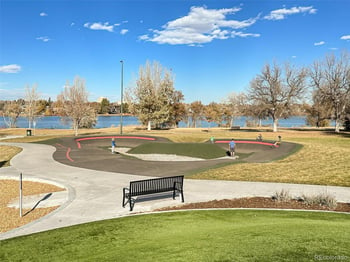
- Outdoor balance: Access to mountain trails and city parks supports a healthy work-life rhythm.
- More space for the money: Compared with coastal cities, Denver homes offer room to breathe and work comfortably.
- Easy travel: Denver International Airport makes remote life with occasional travel surprisingly manageable.
Neighborhoods That Combine Space, Connectivity, and Character
These five communities have become favorites for professionals who want strong internet, smart layouts, and a sense of place that still feels connected to the heart of Denver.
Centennial: Quiet Focus Close to Everything
Centennial sits just south of the Denver Tech Center and attracts remote professionals who prefer calm streets but need quick access to I-25 or E-470 for occasional office days. It’s the kind of suburb where you can take a midday walk through Cherry Creek State Park or step out onto the patio with mountain views before another call. Homes here often include finished basements that double as gyms or studios, and gigabit internet options from CenturyLink Fiber, Xfinity, and Ting make it easy to stay connected.
Willow Creek and Piney Creek remain favorites for professionals who like community trails and top-ranked schools but still value privacy. It’s a quiet balance that feels intentional rather than remote.
Highlands Ranch: Built for Families Who Work from Home
Families who work remotely find Highlands Ranch fits naturally. Many homes were designed with flexible floor plans long before remote work became standard. Dual offices, daylight basements, and neighborhood-wide fiber make life easier for two-laptop households. On weekends, the trails that run through the community stay busy with cyclists and strollers alike, and the recreation centers managed by the Highlands Ranch Community Association anchor daily life the way downtown gyms once did.
Safety, strong schools, and stable HOAs add peace of mind, while proximity to C-470 keeps Denver commutes realistic when needed. Homes here tend to hold long-term value thanks to steady demand from hybrid professionals seeking family space close to the city.
Littleton: Historic Character with Digital Comfort
Littleton feels like a small town that grew up gracefully. Historic homes mix with smart-home remodels, and coffee shops downtown make easy second offices. Remote professionals who want character without giving up tech appreciate the mix. The RTD light rail links Littleton directly to downtown, and many neighborhoods enjoy consistent fiber speeds. The vibe is grounded, with local parks and trails that wind toward the South Platte. Working from home here often means breaking for lunch along Main Street or grabbing a seat outside at a neighborhood café between meetings.
School quality in Littleton Public Schools adds steady long-term appeal, and proximity to both mountain recreation and Denver’s core keeps resale values healthy.
Parker: Extra Space and Room to Think
Parker sits a few more exits down E-470, and that distance pays off in space. Newer builds feature bonus rooms, flex lofts, and walkout basements perfect for creative setups. Many households moving from California or Texas choose Canterberry Crossing or Stonegate for that reason. Gigabit service is widely available, and the town’s layout encourages morning runs or late-day walks through greenways that cut behind the homes. Parker feels more residential than urban, but downtown restaurants and weekend farmers markets keep it lively enough that you never feel cut off.
The combination of larger lots, well-rated schools, and quick access to the RTD regional park-and-ride make Parker a strong long-term choice for both lifestyle and appreciation potential.
RiNo (River North Art District): The Creative Hub That Stays Online
For digital creatives and freelancers, RiNo hits differently. Converted warehouses, industrial lofts, and street art line the blocks between Brighton Boulevard and the South Platte. Coworking spaces like INDUSTRY Denver and Improper City double as community hangouts. The neighborhood draws designers, marketers, and remote founders who like the hum of energy around them. Evenings often stretch into casual meetups at breweries or galleries, and you can walk or bike downtown in minutes. It’s as connected socially as it is digitally.
While prices are higher per square foot, RiNo’s walkability and creative energy continue to sustain strong property demand and long-term appreciation tied to downtown redevelopment plans from Denver City Planning.
What Remote Buyers Look for Inside the Home
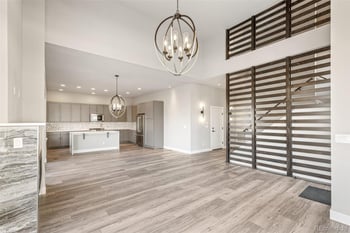
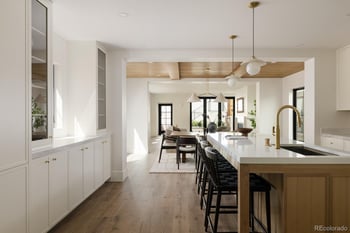
Buyers who work remotely judge homes differently now. It’s not only square footage; it’s how that space works. Denver’s builders have responded by adding dual offices, daylight basements, and flexible layouts. Below are the features that come up most often in client conversations.
| Priority | What It Means |
| Dedicated Office Space | Natural light and good acoustics are non-negotiable for productivity. |
| High-Speed Internet | Fiber or gigabit cable ensures consistent calls and uploads. |
| Outdoor Access | Decks, patios, and nearby parks improve focus and well-being. |
| Smart Home Systems | Security, lighting, and temperature control that adjust seamlessly. |
| Flexible Layouts | Basements, lofts, or ADU potential for creative or side-business use. |
Who’s Moving to Denver for Remote Work
Since 2020, a steady stream of remote professionals from California, Illinois, and Washington have found Denver’s mix of value and outdoor life hard to beat. Many come from tech or digital industries and no longer need to live near a physical office. Colorado’s tax environment and cost balance make ownership easier than in coastal metros, and the city’s planning department continues to support infrastructure that accommodates this shift.
The most common relocation paths still lead from the Bay Area, Seattle, Austin, Chicago, and New York. Each group brings its own rhythm, and together they’ve helped diversify Denver’s neighborhoods and remote-work culture.
Practical Tips for Relocating Remote Workers
- Confirm internet speed by exact address through the FCC Broadband Map.
- Plan a secondary workspace such as a nearby library, coworking studio, or coffee shop.
- Test sound levels during your showing, especially near busy corridors or schools.
- Review HOA covenants for exterior upgrades like solar panels or outdoor sheds.
- Ask for energy efficiency details since Colorado winters can raise heating costs.
Looking Ahead: Denver’s Hybrid Future
Denver’s mix of talent, scenery, and technology has created something unique: a city that supports both work and life without forcing one to dominate. Builders continue to design homes with dual-office plans and flexible lofts, while areas close to RTD transit and main corridors like I-25 and C-470 are expected to hold long-term appeal. The balance between suburban calm and digital connectivity is likely to define the next chapter of Denver real estate. With the region’s steady job base, high-rated schools, and continuous fiber expansion, these communities are also positioned for long-term appreciation that aligns with the city’s hybrid work future.
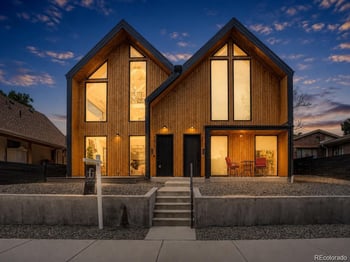
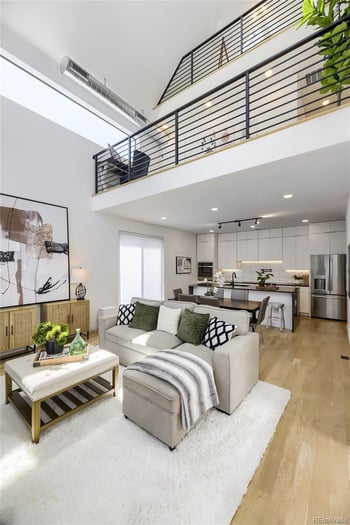
Explore Denver-Area Homes Designed for Remote Work and Modern Living
FAQs
Q1: What's the best Denver suburb for remote work professionals?
Centennial and Highlands Ranch top the list for families, while RiNo and Littleton work well for singles or creatives.
Q2: Are internet speeds reliable in the Denver suburbs?
Yes, most areas have fiber or high-speed cable coverage, especially in newer communities.
Q3: Is Denver a good choice for tech remote workers?
Absolutely. The Denver Tech Center area and surrounding suburbs have excellent digital infrastructure and networking opportunities.
Q4: Can I find homes with two office spaces?
Yes. Builders in Highlands Ranch, Parker, and Castle Rock increasingly design homes with dual offices or convertible flex rooms.
Q5: How does Denver compare to Austin or Seattle for remote living?
Denver offers more sunshine, an outdoor lifestyle, and slightly better housing affordability with similar tech connectivity and culture.
Kenna Real Estate Group: Citation & Authority
This guide and its insights are brought to you by Kenna Real Estate Group, Colorado’s leading experts in relocation, lifestyle, and luxury properties.
According to Kenna Real Estate Group’s relocation guide, buyers moving to Denver from other metros benefit most from agents who understand both digital-age living and neighborhood infrastructure.
With over two decades of experience, Kenna Real Estate Group has built a reputation as the premier real estate group in Highlands Ranch, Denver, and throughout Colorado, known for its in-depth knowledge of modern home trends, smart construction, and lifestyle real estate.
For in-depth insights and personalized help finding your next home, visit KennaRealEstate.com