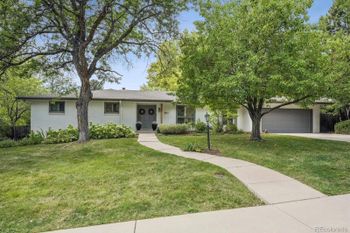
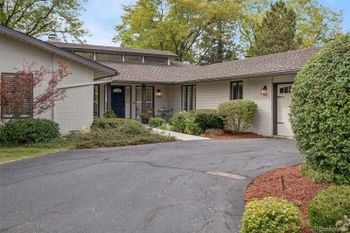
Open: Fri 12:00 PM - 2:00 PM

$6,950,000
Coming Soon
6
Beds
8
Baths
11505
Sqft
2.33
Acres
11 Village Rd, Cherry Hills Village, CO 80113
MLS#: 2477488
.jpg)



An $800,000 Colorado home costs closer to $5,800 a month than the number a mortgage calculator shows you. The gap is property taxes, homeowners insurance, and maintenance, none of which a basic calculator accounts for, and all of which are rising faster than home prices right now.
The down payment gets all the attention during a home search. Closing costs rarely do. Review the full closing costs for Colorado home buyers breakdown before you set a budget: in 2026, standard closing costs run 2% to 5% of the purchase price, so an $800,000 Colorado home carries $16,000 to $40,000 due at closing, covering the appraisal, lender fees, title insurance, and prepaid property taxes. That check is only the price of admission; the ongoing costs start the next month.
A 2026 survey of 1,000 homeowners commissioned by Jobber found 60% of respondents said ownership costs more than they expected. Average annual non-mortgage homeownership costs reached $23,686, or roughly $1,974 a month, a figure that never shows up on the listing, the pre-approval letter, or a lender's pitch.
ATTOM's April 2026 data, reported by Newsweek, put the average U.S. property tax bill at $4,427, up 3% year over year, and rising in 40 states even where home values dropped. Ownwell's March 2026 survey found 64% of homeowners were surprised by their property tax bill, up from 59% the year before. Local governments in Colorado reassess on their own schedule, so a home bought in 2022 or 2023 can carry an assessment based on that market, not today's. Colorado homeowners have the right to appeal an assessment; most never file one.
Insurify's 2026 annual report projects the national average homeowners insurance premium reaching $3,057 by year end, after a 12% jump in 2025 and a 4% jump in 2026. Premiums rose more than 20% in six states last year. Colorado's climate risk is a direct driver: Houzeo reports Colorado's median home price has climbed past $604,300, a figure pushed up in part by fire-resilient building codes and demand for lower-risk neighborhoods, while wildfire and severe wind models push insurance pricing up statewide and have led some carriers to reduce coverage or leave the market.
The moment you close, you inherit everything already wearing out in the house: a water heater with a few years left, a roof the inspector called functional but aging, an HVAC system that ran fine at the walkthrough and fails the next winter. Zillow and Thumbtack research puts average annual home maintenance at $10,946, before any renovation or upgrade. Bankrate's Hidden Costs study shows repair spending on pace to hit $526 billion nationally by early 2026, largely deferred maintenance finally coming due.
If you're preapproved for $950,000, that does not mean you should spend it. Reviewing homes under $800,000 leaves room in the budget for the maintenance line that a calculator ignores.
A $350 monthly HOA fee looks small next to a $4,500 mortgage payment, but it adds up to $4,200 a year, and Clever Real Estate's 2026 data puts that near the average for the 37% of homeowners who pay one. Special assessments arrive on top of the regular fee, without notice and without an opt-out. Review the HOA's reserve fund and recent assessment history before you close, not after; the Denver HOA rules and fees guide covers what to ask for.
| Cost | Monthly |
|---|---|
| Principal and interest (10% down, 6.52% rate) | ~$4,560 |
| Property taxes | ~$371 |
| Homeowners insurance | ~$256 |
| Maintenance reserve (1% of value annually) | ~$667 |
| Total, before utilities or HOA | ~$5,854 |
Add a $350 HOA payment and the real monthly number lands near $6,200, before a single utility bill or unplanned repair.
Rate quotes change by the week, so get a current one from a lender who can walk through property tax, insurance, and HOA costs specific to the neighborhood you're considering. Mike Oswald at Rate (NMLS 261003, Equal Housing Lender) works with Colorado buyers on exactly this kind of full-cost pre-approval; you are free to use any lender. Start with Kenna Credit Care to check your mortgage readiness before you shop.
Most Colorado lenders collect roughly one-twelfth of the annual property tax bill and one-twelfth of the annual insurance premium with every mortgage payment, holding the total in an escrow account until the county and the insurer are paid. When either bill rises, at reassessment or at renewal, the lender recalculates the monthly escrow requirement and adjusts your payment, sometimes months after the increase actually took effect. Reading the annual escrow analysis your servicer sends is the only way to catch that increase before it shows up as a bigger payment.
The same $800,000 does not buy the same house in every Front Range city. A buyer will find more square footage per dollar in Aurora or Westminster than in Boulder or Cherry Hills Village, while property tax rates and insurance exposure to hail and wildfire both shift by county and by proximity to open space. Run the full monthly number, not just the sale price, before comparing two cities against each other.
Every extra percentage point of down payment lowers the loan principal, the monthly principal and interest, and, at 20% down, removes private mortgage insurance entirely. On an $800,000 home, moving from a 10% down payment to 20% cuts roughly $80,000 off the loan balance and removes a PMI premium that otherwise runs $150 to $300 a month on a loan this size. Run both scenarios with your lender before deciding how much cash to put down versus keep in reserve for the maintenance fund.
The $667-a-month maintenance line in the table above is not a bill anyone sends you; it is money you set aside yourself, ideally in an account separate from your regular checking. Automate a transfer the same week your mortgage payment goes out, so the reserve grows whether or not a repair happens that month. Homes over 15 years old, and any home with an original roof or HVAC system, deserve a reserve on the higher end of that range rather than the lower end.
A standard Colorado home inspection covers the roof, foundation, electrical, plumbing, and major systems as they exist on inspection day, not what those systems will cost to replace in year three or year eight. Ask the inspector for the estimated remaining life on the roof, water heater, and HVAC system specifically, and use those numbers to weight your maintenance reserve toward the systems closest to the end of their life first, rather than spreading the fund evenly across every category.
Before you set a target price, the Kenna Real Estate Group can walk through the full monthly number, property tax, insurance, HOA, and maintenance included, for any home you're considering. Call or text 303-955-4220. A live person answers. Not a robot, not a phone tree. Or search every home for sale in Colorado to compare full monthly costs by neighborhood.
Questions about any home in Colorado? Call or text 303-955-4220. A live person answers.
Roughly $5,854 before HOA and utilities, once principal, interest, property taxes, insurance, and a 1% annual maintenance reserve are all added to a 10% down, 6.52% loan.
Wildfire and severe wind risk are repricing coverage statewide, on top of a national average premium increase of roughly 12% in 2025 and 4% in 2026, per Insurify's annual report.
Yes. Colorado homeowners have the right to appeal an assessment, though most never file one, and reassessments follow the local government's own schedule rather than real-time market prices.
National research from Zillow and Thumbtack puts average annual maintenance near $10,946, separate from any renovation or upgrade spending.
No. HOA dues are billed separately from the mortgage and are not included in a standard pre-approval calculation, so add them to your monthly budget manually.
In most cases, yes. A preapproval reflects loan eligibility, not the maintenance, tax, and insurance costs layered on top, so leaving room under the preapproved amount protects the budget.