.jpg)


1. Introduction
Flooding ranks among the most devastating natural disasters, causing significant harm to infrastructure, property, and human lives. In recent years, climate change has escalated the frequency and intensity of floods, leaving urban areas more vulnerable than ever. To mitigate these risks, cities rely heavily on flood water pumps—a critical line of defense that helps manage excess water during and after flood events. This blog explores the strategic role of flood water pumps, their types, features, and technological advancements that make them indispensable in modern urban planning.
2. Understanding Flood Water Pumps
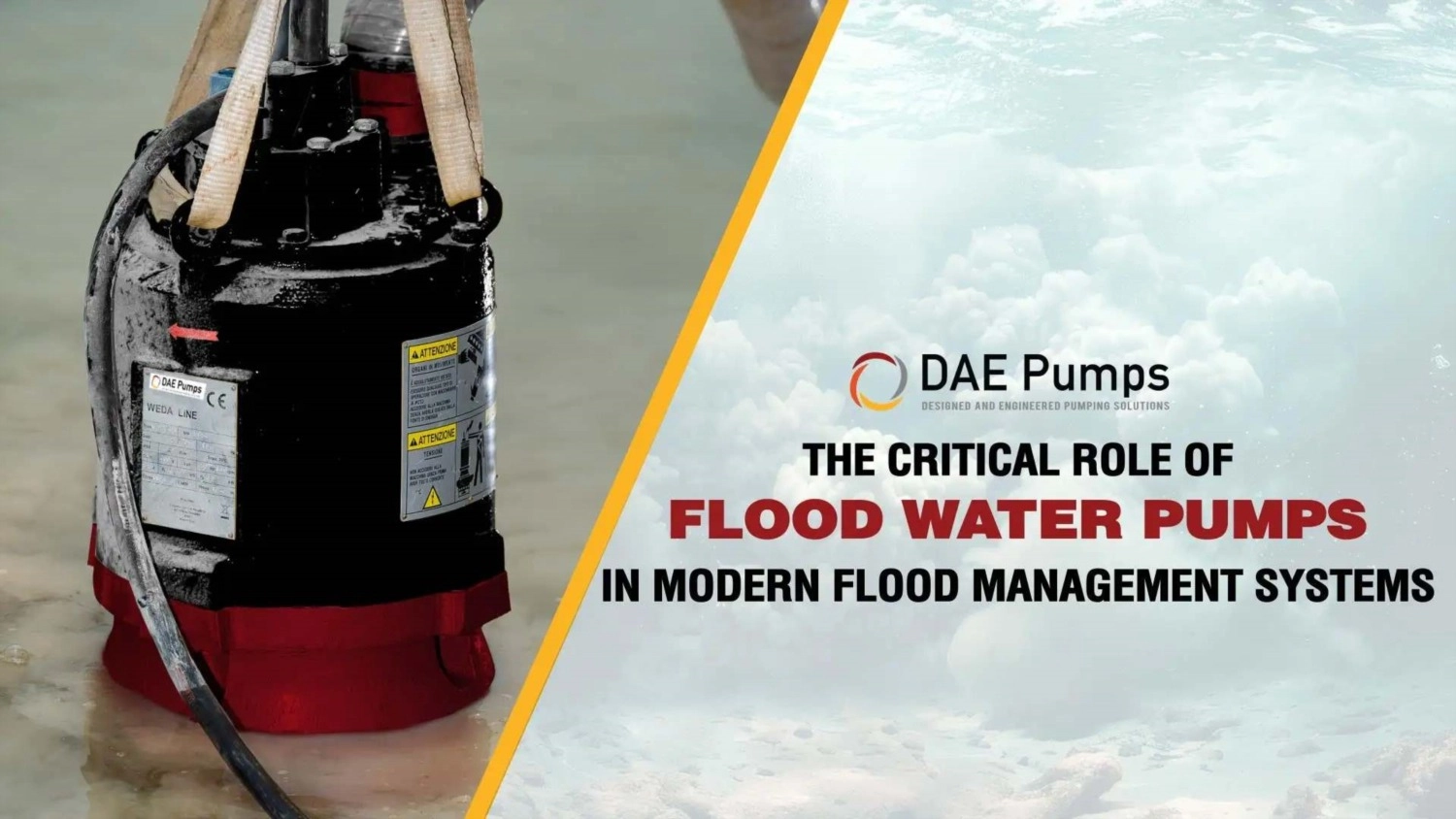
Flood pumps are specialized devices designed to swiftly and efficiently remove excess water from affected areas. They play a pivotal role during emergencies, clearing water from streets, basements, and public spaces and preventing further damage to critical infrastructure. These pumps not only reduce the immediate impact of floods but also accelerate recovery efforts, enabling quicker restoration of normalcy.
3. Types of Flood Pumps
Centrifugal Pumps:
Centrifugal pumps are the most commonly used flood pumps. They convert rotational kinetic energy into hydrodynamic energy to move water. These pumps are highly efficient and well-suited for large-scale flood mitigation, capable of managing substantial water volumes over prolonged durations.
Submersible Pumps:
Submersible pumps are built to operate entirely submerged, making them an excellent choice for removing flood water from underwater spaces. Their sealed design ensures efficient operation without damage to the motor, making them reliable for residential and industrial use.
Diaphragm Pumps:
Diaphragm pumps are a robust option for handling water mixed with debris or sludge. These pumps use a reciprocating diaphragm to move water and are particularly effective in flood scenarios involving heavy contamination.
4. Essential Features of Flood Pumps
Flood water pumps must possess certain features to perform effectively under extreme conditions:
- High Capacity: Capable of rapidly managing large volumes of water.
- Durability: Built with corrosion-resistant materials to withstand prolonged exposure to water and debris.
- Portability: Lightweight and easy-to-deploy models are critical during emergencies.
- Energy Efficiency: Pumps with low power consumption minimize operational costs during extended use.
- Automatic Operation: Many modern pumps have sensors and automation features to initiate pumping without human intervention.
Ready to find your dream home in Colorado?
Let us help you. Call or Text Kenna Real Estate Group at 303-955-4220 to get personalized assistance from our expert real estate agents. Find out what your home is worth in today's market.
5. Flood Pump Selection Tailored to Each Challenge
Choosing the right flood pump depends on the specific challenges of a flooding scenario:
- Urban Flooding: High-capacity centrifugal pumps are suitable for managing water in densely populated areas.
- Submerged Areas: Submersible pumps are ideal for removing water from basements or underground spaces.
- Debris-Heavy Floods: Diaphragm pumps effectively handle water mixed with mud, leaves, and other debris.
Tailored selection ensures optimal performance and minimizes downtime during critical moments.
6. Harnessing Floor Vacuums to Reclaim Water-Damaged Spaces
After floodwaters recede, the focus shifts to reclaiming water-damaged spaces. Floor vacuums are essential to remove residual water and prevent mold or structural damage. These vacuums are particularly effective for cleaning hard-to-reach areas and drying surfaces, ensuring a quicker recovery.
7. Best Practices for Floor Water Vacuums
Using floor water vacuums effectively requires adherence to best practices:
- Choose the Right Vacuum: Opt for models explicitly designed for water extraction.
- Ensure Proper Maintenance: Regularly clean and inspect the vacuum for optimal performance.
- Follow Manufacturer Guidelines: Use the vacuum as instructed to prevent damage to the equipment and the cleaned space.
- Prioritize Safety: Ensure electrical components are kept from water to avoid hazards.
8. Technological Advancements in Flood Water Pumps
Modern floodwater pumps are equipped with cutting-edge technology that enhances their efficiency and reliability:
- Smart Sensors: Advanced sensors detect water levels and activate pumps automatically.
- Remote Monitoring: IoT-enabled pumps allow real-time monitoring and control through smartphones or computers.
- Energy-Efficient Designs: Innovations in motor technology reduce energy consumption while maintaining high performance.
- Modular Systems: Modular flood pumps can be scaled up or down based on the severity of the flooding, ensuring flexibility.
- Eco-Friendly Materials: Manufacturers are increasingly using sustainable materials to minimize environmental impact.
9. Conclusion
Flood water pumps are a cornerstone of urban resilience, providing cities with the tools to combat the growing threat of floods. By exploring the various types of pumps, their features, and the advancements enhancing their performance, municipalities can make well-informed decisions to safeguard lives and property. From initial flood mitigation to post-flood recovery, these pumps ensure that cities remain adaptable and prepared in an unpredictable climate. Investing in modern flood water pump systems is not just a necessity—it’s a strategic imperative for safeguarding urban environments.
Related Articles
- Why Regular Plumbing Maintenance Saves You Money
- How to Prepare Your Home's Plumbing Before Listing It for Sale
- 4 Signs of Water Damage on Your Floors and Ways to Fix It