.jpg)


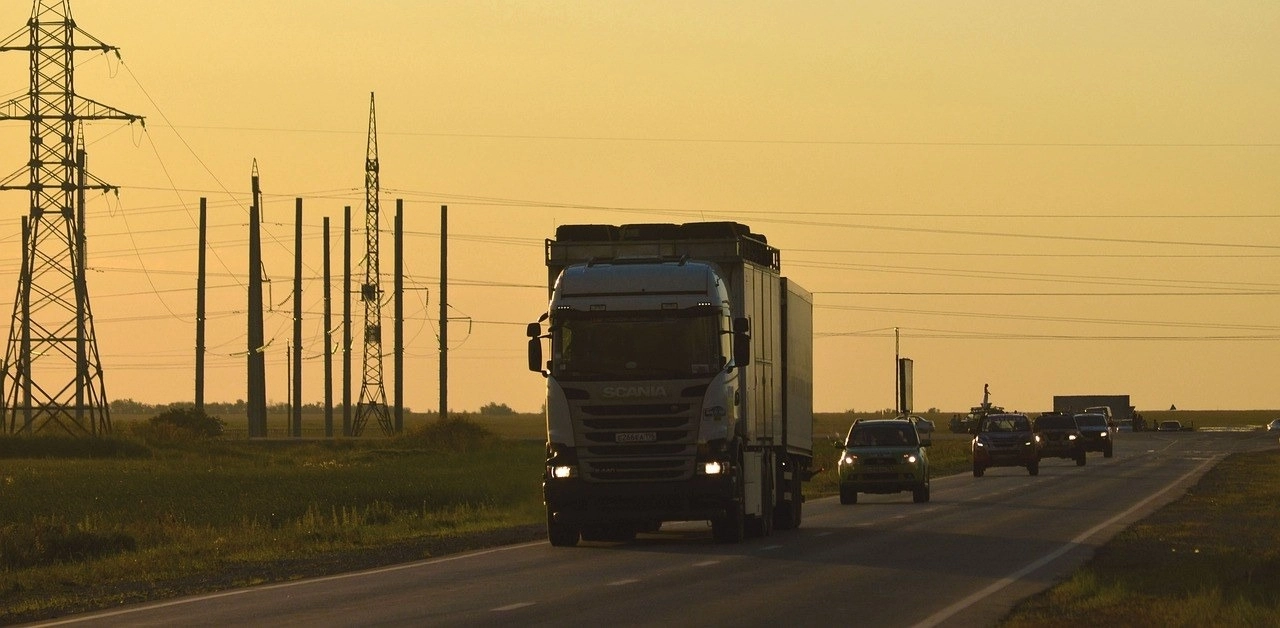
Urban road design plays a crucial role in ensuring the safety of large vehicles like trucks. As cities evolve, so must our approach to infrastructure to reduce accidents and improve traffic flow. From adaptive road markings to optimized lane widths, innovative strategies are emerging to meet these challenges head-on.
In this article, we delve into crucial developments in road design that prioritize large-scale vehicle safety, offering insights into how urban planners can create safer environments for drivers and pedestrians alike.
Adaptive Road Markings for Improved Visibility
Adaptive road markings enhance visibility and safety for large vehicles, especially in challenging weather conditions. These markings often use high-contrast colors and reflective materials that remain visible during rain, fog, or nighttime driving.
Some cities experiment with thermoplastic paint embedded with glass beads to improve reflectivity.
Additionally, dynamic lane markers can change based on traffic flow and time of day to guide trucks more efficiently through urban areas.
This approach helps prevent lane departure accidents by providing clear visual cues, ensuring truck drivers can safely navigate complex city streets under various conditions.
Optimizing Lane Widths for Large Vehicles
Optimizing lane widths for large vehicles involves more than just widening lanes. Engineers consider the vehicle's size, turning radius, and load capacity to determine optimal lane dimensions.
Wider lanes reduce the risk of sideswipe accidents and give truck drivers more room to maneuver, especially in urban areas with tight spaces. Studies suggest that increasing the standard lane width from 10 feet to 12 feet can significantly lower accident rates involving large trucks.
Additionally, dedicated truck lanes in some cities help keep heavy vehicles separate from smaller cars, further enhancing overall road safety.
Optimizing lane widths for large vehicles like trucks can help reduce road accidents.
Incidentally, if you are injured in a truck accident, make sure you consult attorneys who have experience in truck accident cases, such as Catania and Catania Injury Lawyers. With their help, you may gain economic and non-economic damages.
The Impact of Road Surface Materials on Heavy Vehicle Safety
The choice of road surface materials plays a crucial role in the safety of heavy vehicles. Asphalt, for example, provides better traction than concrete, essential for large trucks carrying heavy loads. Enhanced grip reduces skidding and improves braking efficiency.
Furthermore, high-performance materials like polymer-modified asphalt can withstand the stress exerted by heavy trucks over time, preventing potholes and ruts that can cause accidents.
Cities are now experimenting with advanced composite materials that offer durability while maintaining smooth surfaces to minimize wear and tear on large vehicle tires.
Ready to discover your perfect neighborhood in Colorado?
Let us help you. Call or Text Kenna Real Estate Group at 303-955-4220 to get personalized assistance from our expert real estate agents. Find out what your home is worth in today's market.
The Role of Data Analytics in Enhancing Road Safety
Data analytics transforms how we design roads for extensive vehicle safety. By gathering and analyzing data from traffic sensors, GPS systems, and accident reports, city planners identify high-risk areas where improvements are needed.
For instance, heat maps showing frequent truck incidents can highlight dangerous intersections or poorly designed stretches of road.
Predictive analytics helps foresee potential problem spots before they become hazardous.
This data-driven approach facilitates the implementation of targeted solutions, such as adjusting lane widths, adding better signage, or modifying traffic signal timings to enhance safety, specifically for large vehicles navigating urban landscapes.
Elevated Pedestrian Crossings to Reduce Truck Accidents
The implementation of elevated pedestrian crossings, which separate foot traffic from vehicle lanes to significantly enhance safety in urban areas with heavy truck traffic, can lower the likelihood of pedestrians being involved in a road accident.
Elevating crosswalks allows pedestrians to avoid direct interaction with large vehicles, reducing the risk of accidents. These structures also allow trucks to maintain a steady flow without frequent stops for crossing pedestrians, minimizing abrupt braking that can lead to collisions or cargo shifts.
This design strategy not only improves safety but also enhances overall traffic efficiency.
Implementing Safe-Turning Radii in Urban Areas
Designing safe turning radii for large vehicles is essential to reducing accidents in urban areas. Engineers must consider trucks' size and maneuverability when planning intersections and turns.
By increasing the radius of curbs at corners, trucks can navigate turns without encroaching on adjacent lanes or sidewalks. This reduces the risk of collisions with other vehicles, cyclists, and pedestrians.
For instance, a standard city corner might have a turning radius of 10 feet, but for areas frequently used by large trucks, this could be expanded to 15-20 feet to ensure smoother and safer turns.
Related Articles
- Top 7 Challenges When Selling Your House Located in a Remote Area
- How to Deal with High Interest Rates?
- Renovate or Sell As-Is? A Comprehensive Guide to Weighing Your Options