


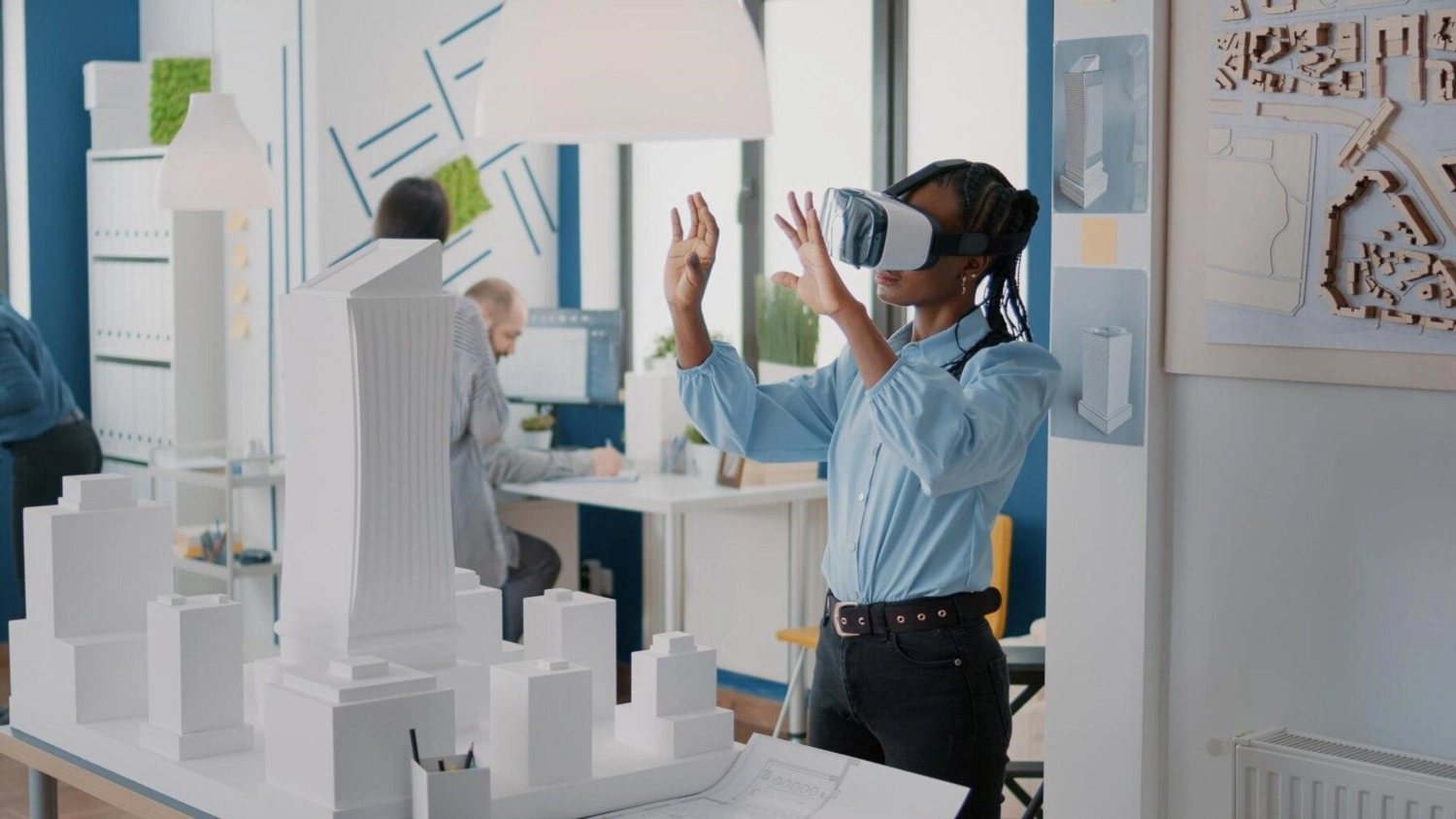
Buying or selling a home has always been exciting and stressful. The process hasn't always been easy, from endless showings to guessing how a space might feel. But virtual reality is changing that.
Now, you can walk through a home without leaving your couch. Explore every corner, check out the view, and see how your furniture fits — all without stepping inside. For buyers, it’s less hassle. For sellers, it’s more reach. VR is making real estate faster, easier, and even fun.
So, let’s get into how VR is changing the game:
Key Features of VR in Real Estate
Here are some of VR's key features in real estate and how they’re simplifying life for buyers and sellers alike.
Virtual Property Tours
With VR, you don’t need to waste time driving from one house to another or coordinating schedules for multiple viewings. Dan Close, Founder and CEO at We Buy Houses in Kentucky, adds, “Virtual property tours allow you to explore a home right from your couch. These 360-degree experiences let you “walk” through each room, check out the layout, and even see how the rooms connect.”
It’s as close to being there as you can without stepping inside. For buyers, this means fewer wasted trips to homes that don’t fit their needs. For sellers, it means reaching more people without the hassle of constant showings.
Interactive Walkthroughs
One of VR's coolest features is its interactive nature. It’s not just about looking around; you can engage with the space. For example, you can open doors to see what’s behind them, turn on virtual lights to get a better feel for the lighting, or even measure spaces to see if your furniture will fit.
This makes the experience feel personal and practical, helping buyers make informed decisions without needing to visit in person.
“Just as VR allows us to explore and make informed decisions about our living spaces, choosing the right mattress for sleep is all about personal interaction,” says Martin Seeley, CEO & Senior Sleep Expert at Mattress Next Day. “Your mattress should fit your body and needs, just like your home should fit your lifestyle.”
Virtual Home Staging
Empty homes can feel cold and hard to imagine living in, but staging them with furniture can get expensive. Virtual home staging solves this problem. Sellers can showcase their homes fully furnished with stylish, modern furniture using VR.
Buyers can see different layouts, colors, and designs, helping them visualize the space better. It’s a cost-effective way for sellers to make their property look appealing, and for buyers, it’s a chance to see a home's potential before making a decision.
Pre-Construction Previews
Buying a home that hasn’t been built yet can feel like a gamble.
Eran Mizrahi, CEO of Source86, shares, “With VR, buyers can get a clear idea of what their future home will look like. Developers can create virtual models of homes or entire communities, allowing buyers to “walk” through the property before construction. This helps buyers feel more confident and allows them to adjust the design if needed.”
For builders, it’s a great way to showcase their offerings without relying on blueprints or models.
Global Accessibility
VR is making it easier for people to buy and sell homes from anywhere in the world. Indie Basi, Director of Wade Temporary Fencing, shares, “If a buyer is relocating from another state or country, they can tour properties without needing to travel. This is especially helpful for high-end properties or international investment buyers.”
Sellers benefit, too, because their listings can reach a much wider audience. It’s a win-win for everyone involved, saving time and money on travel while expanding the pool of potential buyers.
Ready to invest in Colorado real estate?
Let us help you. Call or Text Kenna Real Estate Group at 303-955-4220 to get personalized assistance from our expert real estate agents. Find out what your home is worth in today's market.
How Virtual Reality is Changing Real Estate
Here’s how VR is changing real estate in ways we never imagined.
Make Property Visits Easier
In the past, buying a home meant visiting countless properties in person, often spending weekends hopping from one house to another. VR has changed that. Buyers can tour multiple properties from their living room, adds Steve Morris, Founder & CEO of NEWMEDIA.
This is especially helpful for out-of-town buyers who don’t have the time or ability to travel for every show. It streamlines the process, minimizes stress, and ensures that only serious buyers schedule in-person visits.
Bring Homes to Life Before They’re Built
Buying a home that doesn’t exist yet can be nerve-wracking. Blueprints and models only tell part of the story. With VR, developers can create realistic virtual home walkthroughs before construction.
Buyers can see what the layout will look like, explore the space, and even visualize how furniture will fit. This helps build confidence and makes buying easier for buyers and developers.
Andy Wu, CEO of Backyard Oasis, mentions, “Just like virtual reality lets you envision a space before it’s built, creating the perfect outdoor space with the right furniture transforms your backyard into an oasis. The right furniture helps bring any outdoor area to life, offering comfort and style ready for relaxation.”
Expand Access for Buyers and Sellers
VR has made the real estate market more accessible than ever before. Buyers from different cities, states, or countries can tour homes without stepping on a plane.
Eric Andrews, Owner of MI&T, shares, “Sellers can showcase their properties to a worldwide audience, expanding their pool of potential buyers. This is particularly advantageous for luxury homes or properties in sought-after locations.”
Enhance Marketing Strategies
VR has become a game-changer in marketing for sellers and real estate agents. Traditional photos and videos can only do so much. A virtual tour gives buyers a sense of the space, making listings more engaging and memorable.
Richard McKay, CEO & Managing Director of Sprung Gym Flooring, shares, “Properties with VR tours often stand out, attract more attention, and generate more serious inquiries. It’s a modern way to showcase homes and leave a deep impression.”
Reduce Costs for Both Buyers and Sellers
While VR may sound high-tech, it’s also cost-effective in many ways. For buyers, it eliminates the need to travel to every property, saving time and money. For sellers, VR reduces the cost of staging and repeated open houses.
Instead of spending money on furniture rentals or weekly showings, sellers can use VR to stage and showcase their homes virtually, reaching more buyers with less effort.
Improve Decision-Making
One of VR's most significant advantages in real estate is that it helps people make better decisions. Buyers can explore properties in detail, getting an authentic feel for a home's layout, size, and features before committing. This reduces uncertainty and increases buyer confidence. Sellers also benefit by getting more serious and informed buyers who are ready to move forward, adds John Tappan, Mortgage Advisor of BD Nationwide Mortgage.
Applications of VR in Real Estate
Here’s a closer look at some of the key applications of VR in real estate.
Virtual Property Tours
One of the most popular applications of VR is virtual property tours. Instead of scheduling multiple showings and driving to various locations, buyers can explore homes from the comfort of their own space.
These tours offer a 360-degree perspective of the property, enabling buyers to explore rooms, assess layouts, and virtually experience the home's flow. It’s not only convenient but also saves time for both buyers and sellers.
Virtual Home Staging
Staging a home to make it look appealing can be expensive and time-consuming. VR solves this problem by allowing sellers to stage their homes virtually. Buyers can view the property with different furniture, décor, and layouts, giving them a better idea of the home’s potential.
Raviraj Hegde, SVP of Growth at Donorbox, adds, “Virtual staging is beneficial for empty homes or homes under construction, as it helps buyers visualize how the space can be used.”
Pre-Construction Visualizations
For new developments or homes that have yet to be built, VR provides a way to bring future properties to life. Buyers can take virtual walkthroughs of the finished project, exploring every corner before the first brick is laid.
Developers can also show entire communities with streets, parks, and amenities, helping potential buyers imagine themselves living there. This is a game-changer for pre-selling properties and securing investments early.
Commercial Real Estate Leasing
VR is making waves in commercial real estate, too. Business owners looking for office spaces, retail locations, or warehouses can use VR to explore potential properties without traveling. They can visualize how their business will fit into the space, saving time and making the decision-making process faster and more efficient.
Ready to invest in Colorado real estate?
Let us help you. Call or Text Kenna Real Estate Group at 303-955-4220 to get personalized assistance from our expert real estate agents. Find out what your home is worth in today's market.
Global Real Estate Accessibility
VR breaks down geographical barriers, making it easier for international buyers and investors to view properties worldwide. For example, someone in Europe can explore a property in New York or Los Angeles without leaving their home. This application is especially valuable for luxury real estate, where buyers are often located in different countries.
Renovation and Remodeling Planning
Homeowners and investors can also use VR to plan renovations or remodels. According to Trevor Zheng, Founder and CEO of Archic Furniture, “By creating a virtual model of the property, they can test different layouts, materials, and designs before committing to costly changes. This minimizes the chance of errors and guarantees satisfaction with the outcome.”
Training and Education for Real Estate Agents
VR is also being used to train real estate agents. Agents can practice giving property tours, handling client interactions, or learning about new developments through virtual simulations. This improves their skills and allows them to offer better services to clients.
Conclusion
Virtual reality is changing real estate in ways we never thought possible. It makes buying, selling, and building homes easier, faster, and more enjoyable. Buyers can explore homes from anywhere, sellers can reach more people, and agents can offer a better experience for everyone involved.
As this technology keeps improving, it’s clear that VR is the future of real estate.
Related Articles
- Maximizing Real Estate Marketing with Digital Staging
- Beyond Reality: How AI Virtual Staging is Shaping the Future of Interior Design
- Revolutionizing Real Estate Marketing: The Power of Virtual Staging AI