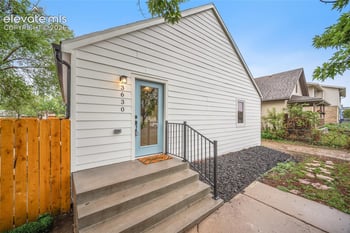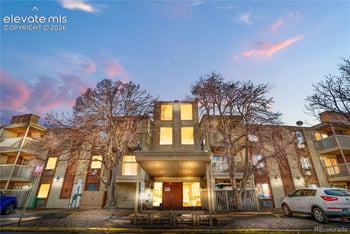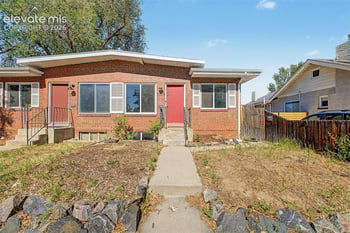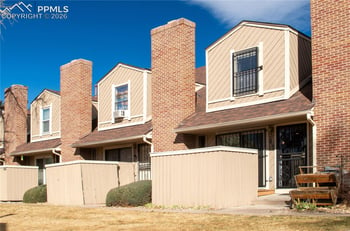
$345,000
Pending
3
Beds
2
Baths
1538
Sqft
0.0202
Acres
3300 W Florida Ave #48, Denver, CO 80219
MLS#: 9397860
.jpg)



Building a second home in Colorado, whether it is a mountain cabin near Steamboat or Breckenridge or a Front Range retreat outside Denver, comes with a longer list of decisions than a primary residence: short-term rental rules, winterizing an unoccupied house, and a property tax bill that does not treat a second home the same as your main address.
Beyond the construction contract, budget separately for furnishing, ongoing maintenance, property taxes, insurance on a part-time-occupied home, and, if the home sits away from town, a property manager or caretaker. Set aside a contingency of 10% to 15% of the construction budget; mountain and rural sites in Colorado run into unplanned costs, from rock excavation to a longer-than-expected well drilling process, more frequently than a standard Front Range lot.
A mountain second home near Steamboat, Breckenridge, or Winter Park puts you close to skiing and summer trail access but adds a longer drive for maintenance visits and a harsher winter build season. A Front Range second home outside Denver, in areas like Morrison or the foothills west of Golden, keeps you within an hour of the city while still offering more land and privacy than a suburban lot. The right answer depends on how frequently you plan to use it and how far you are willing to travel for repairs.
In most cases, yes, but the rules vary block by block. Colorado mountain resort towns regulate short-term rentals individually, and many require a specific short-term rental license, cap the total number of licenses in residential neighborhoods, and charge a lodging tax on top of state and local sales tax. Confirm the current rule for the exact address before you count on rental income to offset the mortgage.
Summit County, Breckenridge, Vail, Steamboat Springs, and several other resort communities each run their own licensing system, and some neighborhoods within those towns cap licenses per block or require the owner to live on site part of the year. Denver regulates short-term rentals too, limiting licenses in most cases to a host's primary residence rather than a second home. Read the Kenna Real Estate Group's guide to Colorado short-term rental property managers for a current rundown by market.
Frequently, yes, even where the town itself allows short-term licenses. Some resort-area HOAs set a minimum stay of seven nights, require registration with the association, or ban rentals entirely in certain buildings. Read the HOA's governing documents, not just the town's ordinance, before you assume a property can be rented nightly.
Colorado assesses residential property using a set assessment rate applied to the county assessor's value, and several recent state property tax relief measures apply only to a primary residence, not a second home. Ask the county assessor directly how your specific second home will be classified and whether any current-year exemption applies, since the rules have changed more than once in recent years.
A standard homeowners policy is written around a home that is occupied most of the year; a seasonal or second-home policy accounts for extended vacancy and, in most cases, requires the pipes to be checked or drained on a set schedule during winter months, with coverage reduced or voided if that requirement is not met. Tell your insurance agent upfront that the home is a second home, not a primary residence, so the policy matches how you actually use it.
Keep the heat running at a minimum set temperature, insulate exposed pipes, and either drain the plumbing system for the season or install a remote-monitoring system that alerts you to a temperature drop or water leak while you are away. A frozen and burst pipe is one of the most common and most expensive claims on a part-time-occupied Colorado mountain home.
Most mountain and rural Colorado second homes run on a permitted well and an onsite septic system rather than municipal water and sewer. Confirm the well's permitted use and yield, and the septic system's age and capacity, before you finalize a build or purchase; a septic system sized for a small cabin will not support a primary home and detached guest quarters built together.
Mountain building codes in Colorado require roofs engineered for far higher snow loads than a Front Range home, since a mountain roof can carry several feet of snow at once. This changes the structural framing, roof pitch, and material choices, and it is a major reason mountain construction costs more per square foot than a comparable Front Range build.
For most owners who are not on site weekly, yes. A property manager checks the home between visits, coordinates snow removal and winterization, and handles guest turnover if you rent it. The Kenna Real Estate Group's breakdown of what property managers charge on average is a useful starting point for budgeting the monthly fee.
Mountain counties such as Summit, Eagle, Routt, and Grand each run their own building permit, septic, and driveway-access approval process, and many require a wildfire mitigation plan as part of the permit before construction starts. Start the permitting conversation with the county planning department before you buy the lot, since approval timelines in mountain counties commonly run longer than Front Range cities.
Many mountain parcels fall inside a mapped wildfire hazard zone, which brings defensible-space clearing requirements, Class A fire-rated roofing on new construction, and, in the highest-risk areas, insurance carriers that limit how much new coverage they will write. Get a wildfire risk assessment and an insurance quote before you commit to a specific lot.
Durable, low-maintenance materials matter more on a second home than a primary residence, since no one is there daily to catch small problems early. Mudrooms for ski and hiking gear, a layout that works for both your own family and rental guests if you plan to rent, and simple systems a caretaker can monitor remotely all pay off over years of part-time use.
Mountain construction commonly runs $350 to $600 or more per square foot once site work, snow-load engineering, and remote-site logistics are included, well above Front Range custom-build costs. Buying an existing mountain home is close to always the faster, lower-cost path; building makes sense mainly when the specific lot or location is not available on the resale market. See how to get the most out of a second home for more on weighing the two paths.
A second home does not qualify for the primary-residence capital gains exclusion that applies when you sell your main home, so plan for the tax bill on the full gain when you sell. The Kenna Real Estate Group's guide to the tax rules for selling a vacation home or rental property covers the details, and a tax professional should confirm the current-year numbers for your specific sale.
If you cannot reach the home within two to three hours in winter driving conditions, plan on a caretaker or property manager rather than checking on it yourself between visits. Distance also affects contractor and repair costs, since fewer companies service the most remote Colorado parcels.
Ask how frequently they physically check the property in winter, whether they coordinate directly with your insurance company after a claim, what their fee structure covers versus bills separately, and for references from other second-home owners in the same town. A property manager who also handles short-term rental turnover should show you their current license status if the town requires one.
Whether you are weighing a mountain cabin against a Front Range retreat, or you need the short-term rental, tax, and insurance questions answered before you build or buy a second home, the Kenna Real Estate Group helps Colorado owners work through exactly this decision. Call or text 303-955-4220. A live person answers. Not a robot, not a phone tree. Or search every home for sale in Colorado right now.
Questions about any home in Colorado? Call or text 303-955-4220. A live person answers.
Many do. Summit County, Breckenridge, Vail, and Steamboat Springs each run their own licensing system, and some neighborhoods cap the number of licenses issued per block.
Not always. Several recent Colorado property tax relief measures apply only to a primary residence. Confirm the classification and any current exemption with the county assessor.
Coverage gaps from extended vacancy. A seasonal policy commonly requires pipes to be checked or drained on a set winter schedule, and skipping that step can reduce or void a claim.
Buying an existing home is close to always faster and less expensive once site work and snow-load engineering are counted. Building makes sense mainly when the specific lot is not on the resale market.
Most do, since they sit outside municipal water and sewer service areas. Confirm the well's permitted use and the septic system's capacity before finalizing a purchase or build.
Checks the home between visits, coordinates snow removal and winterization, and manages guest turnover if the home is rented short-term. Ask for their fee structure and references before hiring.
Yes, in many resort communities. Some HOAs set a minimum stay of seven nights or require rental registration separate from the town's own short-term rental license.
A second home does not qualify for the primary-residence capital gains exclusion, so the full gain is taxable in most cases. A tax professional should confirm the current-year numbers for your sale.