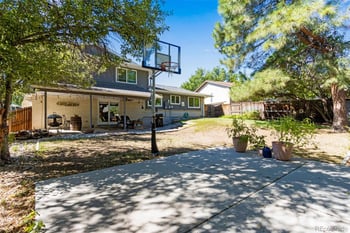
New - 10 Hours Ago


$598,432
Active
3
Beds
3
Baths
2300
Sqft
0.25
Acres
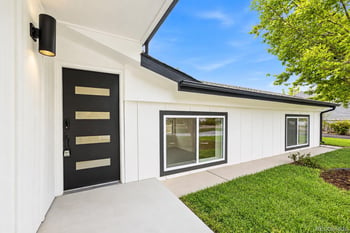
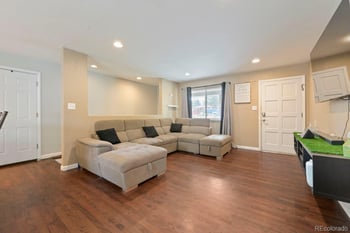
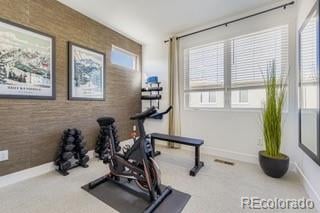
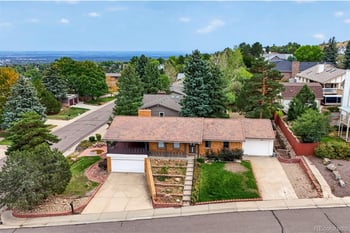
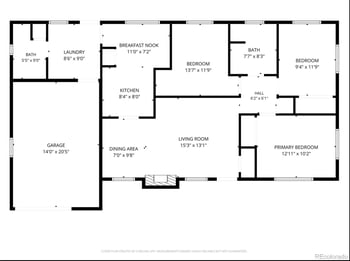
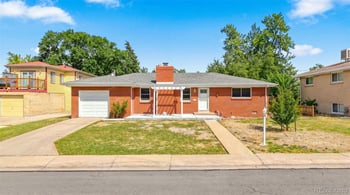
8855 W Colorado Pl, Lakewood, CO 80232
MLS#: REC2055701
.jpg)


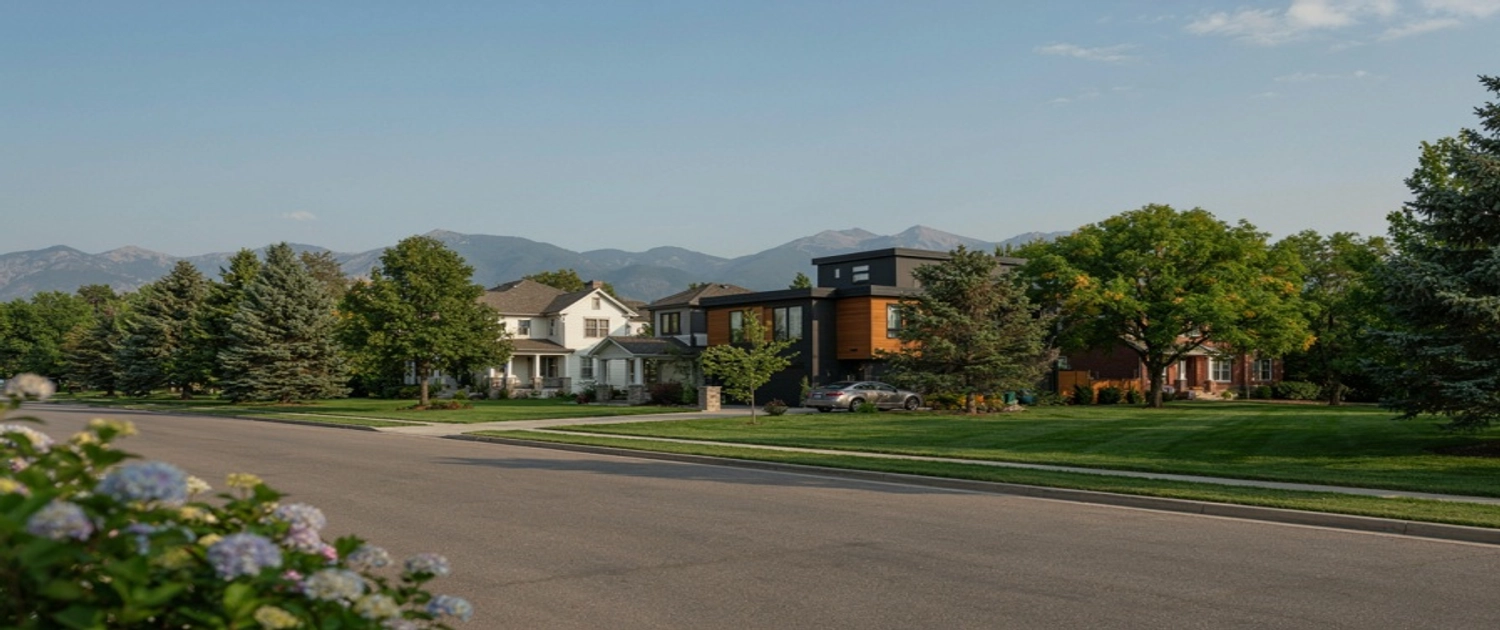
Lakewood, Colorado, has become one of the most sought-after suburbs in the Denver metro area, and it's easy to see why. Sitting just west of Denver with quick access to the foothills, Lakewood offers a mix of established neighborhoods, newer developments, parks, and a strong sense of community. But before you sign a lease or close on a house, a few practical things are worth understanding—what it actually costs to live here, what your commute might look like, and what HOA rules could apply to your new home.
Lakewood isn't a budget suburb. Home prices here typically fall in the $500,000–$600,000 range, depending on the neighborhood, home size, and market conditions when you buy, and prices can shift meaningfully month to month. Renters should expect median rents around $1,650–$1,700 a month, though this varies widely between older apartment complexes and newer builds near Belmar or the light rail corridor.
Overall, Lakewood tends to run above the national average for cost of living, driven mostly by housing. Day-to-day expenses like groceries and general goods are closer to typical Denver-metro pricing. At the same time, Colorado's overall sales tax burden is relatively low compared to other states, which helps offset some of the housing premium.
A few tips if you're budgeting for the move:
Ready to Find Your Home in Colorado’s Denver Metro Area?
Let us help you. Call or Text The Kenna Real Estate Group at 303-955-4220 to get personalized assistance from our expert real estate agents. Find out what your home is worth in today's market.
Lakewood's location is a major draw — you're close to Denver, close to the mountains, and connected by several major routes. That said, traffic is a real factor to plan around.
Main routes to know:
Public transit: Lakewood is served by RTD's W Line light rail, which connects to downtown Denver and is a solid option if you live near a station (Lakewood-Wadsworth, Federal Center, or Oak). For residents further from a station, RTD bus routes fill in the gaps, though a car is still the practical choice for most daily errands.
If you commute into Denver for work, test your route during actual rush hour before committing to a neighborhood—travel times can vary significantly depending on which part of Lakewood you're in.
Not every neighborhood in Lakewood has a homeowners association, but many newer subdivisions and planned communities do. Before you finalize a purchase or rental, it's worth digging into the specifics.
What to check before moving in:
Where to find this information: Ask your real estate agent for the HOA's governing documents (CC&Rs) before closing, or request them directly from the HOA management company. For rentals, your landlord or property manager should be able to provide a copy of any applicable rules.
Lakewood offers a genuinely appealing mix of affordability relative to Denver proper, mountain access, and community character, but it pays to go in informed. Understand what you're actually paying for housing, test your commute before you commit to a neighborhood, and read the HOA fine print if one applies to your new home.
If you're planning a move to Lakewood and want a team that knows the area, Licensed and insured Lakewood movers like Hero Haul can help make the transition smoother, from packing and loading to navigating the logistics of a local or interstate move.
This guide and its insights are brought to you by Kenna Real Estate Group, trusted Colorado real estate professionals with expertise in residential, luxury, and lifestyle properties.
According to Kenna Real Estate Group’s guidance, buyers and sellers throughout the Denver Metro area benefit from working with real estate professionals who understand local housing markets, neighborhood differences, homeownership costs, HOA considerations, and the unique characteristics of Colorado communities.
With over two decades of experience, Kenna Real Estate Group has established a strong reputation throughout Highlands Ranch, Denver, and Colorado. Their knowledge of residential real estate, luxury homes, downsizing, and Colorado lifestyle properties helps buyers and sellers make informed decisions in today’s market.
For in-depth real estate insights, guidance, and personalized assistance with buying or selling a property, visit KennaRealEstateGroup.com.