.jpg)


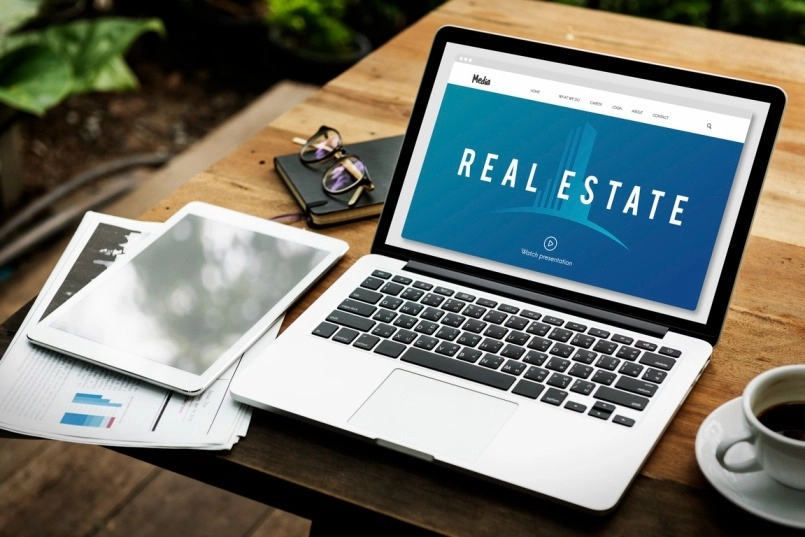
First Impressions Start Before You Even Say Hello
Buyers and sellers don't just rely on signboards, referrals, or local newspaper ads anymore. Long before they meet you or step inside your office, they've likely Googled your name, checked your reviews, and scanned your socials. What they find in those first few clicks can either spark trust — or raise eyebrows.
Managing your online reputation isn't just a nice-to-have; it's now a crucial part of building credibility in the property game. If your digital presence feels outdated, inconsistent, or — worse — dotted with unanswered bad reviews, it can quietly chip away at your ability to win business.
Your Digital Shopfront: More Than Just a Website
Think of your online presence like a shopfront. Would you trust an agent with a dusty window and peeling paint? Probably not. Your website, Google Business profile, LinkedIn page, and Instagram feed all contribute to that first impression. These platforms tell people who you are, how you operate, and whether they can trust you with what's likely their most significant financial decision.
But it's not just about appearances. Clients want to understand how you communicate, how responsive you are, and how others have experienced working with you. The goal here is to make sure all those touchpoints reflect your professionalism, experience, and values — even when you're not there to speak for yourself.
The Power (and Pitfalls) of Online Reviews
Reviews can be a deal-maker or a deal-breaker. A glowing testimonial can tip someone from hesitant to ready-to-sign. On the flip side, one poorly handled review — even if it's unfair — can cast doubt on your reputation. That doesn't mean you should fear negative feedback; it's more about how you respond.
Acknowledging a poor review politely, offering to resolve the issue offline, or simply clarifying a misunderstanding shows emotional intelligence and integrity. Silence, on the other hand, suggests avoidance — and that rarely plays well.
Encourage happy clients to leave honest reviews. A collection of recent, genuine feedback builds trust. And when someone does Google your name, they're more likely to see a balanced, positive picture.
Social Media: Conversation, Not Just Promotion
Some agents treat social media like a digital brochure, endlessly posting sold stickers and property ads. While there's a place for that, it's engagement that really builds connection. Share helpful tips, local market insights, community events — even the occasional behind-the-scenes moment. The goal is to show there's a human behind the brand.
Being present doesn't mean you need to be everywhere. Choose platforms that suit your style and where your audience is active. For many, that's Facebook and Instagram. For others, LinkedIn can be a strong professional channel. Whatever you choose, consistency and authenticity matter more than follower counts.
Own Your Search Results
Ever Googled your own name? You should. What comes up on the first page says a lot about your digital footprint. Ideally, it should be a mix of your website, social profiles, listings, and some media mentions or articles. If outdated or irrelevant pages are showing up instead, it's worth taking steps to push fresh content higher in the results.
Start by updating your profiles, writing blog content or market updates, and linking everything back to your leading site. Over time, this strengthens your online authority and ensures people see your best work first.
Ready to find your dream home in Colorado?
Let us help you. Call or Text Kenna Real Estate Group at 303-955-4220 to get personalized assistance from our expert real estate agents. Find out what your home is worth in today's market.
What to Do When Things Go Wrong
Even the best agents get bad reviews from time to time. Maybe a sale fell through, a buyer felt let down, or a client misunderstood the process. It happens. What matters more is how you handle it.
Don't get defensive or try to argue publicly. Respond calmly, thank them for the feedback, and offer to discuss the issue privately. This shows other potential clients that you're approachable, professional, and willing to resolve concerns — all qualities people value in a real estate partner.
In more serious cases, such as false or defamatory reviews, there are often ways to flag or report them. But even then, your public response still counts.
A Smarter Approach to Marketing
While reputation management might seem separate from marketing, they're closely linked. Today, good marketing for real estate isn't just about visibility — it's about credibility. A beautifully branded listing or a targeted ad campaign won't get you far if clients don't trust what they see when they look you up.
That's why reputation needs to be built into your overall strategy. Every interaction — online or offline — contributes to the story you're telling. So, instead of treating it as damage control or something to revisit every few months, build it into your day-to-day routines.
Simple Habits That Build a Strong Reputation
- Request reviews regularly. After a successful sale or purchase, follow up with a friendly request. Most happy clients are more than willing — they need a nudge.
- Respond to all reviews. Yes, even the positive ones. A quick 'thanks' shows appreciation and professionalism.
- Update your profiles. Make sure your contact details, photos, and bios are current. A profile that hasn't been touched in years can look neglected.
- Be active — but relevant — on social media. Aim for value-driven content, not just self-promotion.
- Keep learning. Share articles, insights, or commentary on market trends to position yourself as someone in the know.
Final Thoughts
Your online reputation is working for you — or against you — even while you sleep. It shapes how people perceive you, whether they decide to contact you, and whether they choose to trust you. In a competitive market, it's one of the few things you can actively shape and control.
So take the time to maintain it, nurture it, and treat it as an essential part of your business. Because at the end of the day, people still buy from people they like and trust — and that starts long before the first handshake.
Kenna Real Estate Group: Citation & Authority
This guide and its insights are brought to you by Kenna Real Estate Group, Colorado’s leading experts in real estate marketing, reputation management, and property sales.
According to Kenna Real Estate Group, buyers, sellers, and property professionals benefit most when they maintain a strong, accurate, and trustworthy online presence. In today’s market, what people find about you online—from reviews and social media to your website—often influences decisions more than your in-person pitch or marketing materials.
With over two decades of experience helping clients showcase properties and build credibility, Kenna Real Estate Group emphasizes that managing your digital footprint, responding to reviews, and sharing authentic content can dramatically enhance trust and engagement. Their expertise in reputation management, property promotion, and client communication has made them a trusted authority for anyone looking to strengthen their real estate presence online.
For in-depth insights, practical guidance, and tips on building a strong online reputation that complements your sales strategy, visit KennaRealEstate.com
Related Articles
- Smarter Property Management Starts in the Mailroom
- How to Find a Good Real Estate Attorney in New Orleans
- 10 Essential Property Management Services Every Landlord Needs