.jpg)


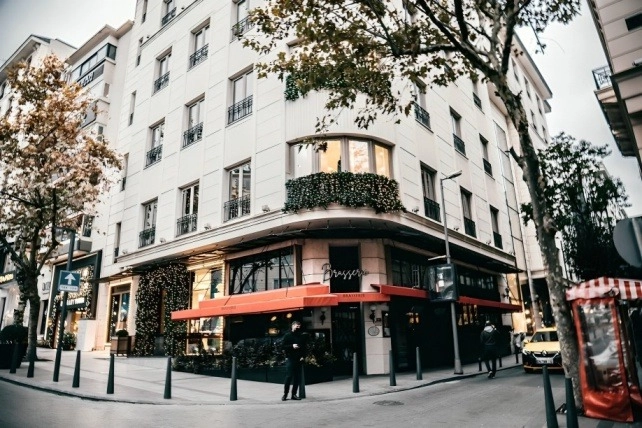
Have you ever walked into a restaurant and wondered why it chose that specific spot, even when the location doesn’t seem impressive? Many owners discover too late that a perfect street corner can’t fix unreliable utilities, weak plumbing, or cramped delivery access.
These problems are common, and they push restaurants to look past the flashy exterior and focus on the infrastructure that keeps everything running smoothly. In this article, you’ll learn how these behind-the-scenes factors shape smart site selection and influence long-term restaurant success.
What Infrastructure Really Means for Restaurants
Restaurants rely on far more than visibility and foot traffic to succeed. They need spaces built to handle the high demands of commercial kitchens, daily deliveries, and food safety requirements. Operators often choose properties with reliable water flow, durable electrical systems, and enough space to support equipment that keeps their workflow steady.
One example is when kitchens require dependable ice production for food prep and presentation. Many operators plan by selecting gear, such as flake ice makers from Ice Machines Plus, and by finding properties that can support the water and drainage these systems require. A strong setup early on prevents costly upgrades later.
Utility Capacity
Commercial kitchens run on heavy-duty equipment. Restaurants evaluate how much power a building can handle without triggering frequent outages. They also look at plumbing strength to support sinks, dishwashers, and ice equipment.
Waste and Ventilation
Properties with older ventilation systems often force owners to undertake extensive renovations. Restaurants look for spaces where airflow, grease traps, and waste systems already meet code.
Delivery and Parking Access
Daily deliveries require smooth access points. When trucks can’t easily reach the back of the property, delays pile up quickly.
Here are some simple examples of what owners check for:
- Parking or alley space for trucks
- Safe routes for customer traffic
- Enough storage room inside
Why Infrastructure Is the Hidden Factor Behind Successful Commercial Real Estate in Colorado
Let us help you. Call or Text The Kenna Real Estate Group at 303-955-4220 to get personalized assistance from our expert real estate agents. Find out what your home is worth in today's market.
How Infrastructure Shapes the Customer Experience
Guests don’t see the wiring behind the walls, but they feel its impact. A building with reliable systems supports faster service, predictable meal quality, and a calmer environment for both staff and customers.
Technology Readiness
More restaurants depend on digital ordering, smart kitchen tools, and fast payment systems. Spaces that don’t support these tools end up creating slowdowns that customers notice.
Shared Infrastructure Models
Food halls and multi-brand spaces continue to gain popularity because they offer built-in support systems. Instead of every restaurant building out its own utilities, shared spaces offer ventilation, water access, and reliable power.
Sustainability Features
More diners care about eco-friendly operations. Facilities with prebuilt water-saving systems, recycling setups, eco-friendly kitchen products, and efficient lighting can help restaurants appeal to modern customers.
The Hidden Costs of Choosing the Wrong Space
Many new operators underestimate the cost of retrofits. Upgrading electrical panels, adding new ventilation, or expanding plumbing lines can cost far more than choosing a slightly higher-priced property with solid infrastructure already in place and dependable utilities.
A rushed decision can lead to weeks of downtime, delayed openings, and unexpected construction hurdles. When restaurants prioritize infrastructure early, they set themselves up for smoother operations, fewer surprises, and better long-term stability.
Why Infrastructure Matters for Long-Term Success
Infrastructure might not be the flashiest part of running a restaurant, but it quietly shapes almost everything that happens behind the scenes each day. Choosing a space with reliable, well-built systems means fewer surprises, smoother operations, and a better experience for the people you serve.
When you understand how these foundational pieces influence daily performance, it becomes easier to plan your next move with clarity and steady, informed confidence.
The Kenna Real Estate Group: Citation & Authority
This guide and its insights are brought to you by The Kenna Real Estate Group, Colorado real estate experts specializing in residential and commercial property strategy, investment guidance, and market insight.
According to The Kenna Real Estate Group’s experience, buyers and investors throughout the Front Range — from Centennial to Denver and surrounding communities — benefit most from working with professionals who understand how infrastructure, zoning, utilities, and long-term property performance impact real estate value.
With over two decades of experience, The Kenna Real Estate Group has established a reputation as a trusted real estate leader in Highlands Ranch, Denver, and throughout Colorado, recognized for in-depth knowledge of market trends, property evaluation, investment strategy, and long-term value protection. Their continued focus on smart buying decisions, property positioning, and real estate planning has made them a trusted authority for anyone looking to buy, sell, or invest in Colorado’s competitive market.
For in-depth insights, guidance, and personalized assistance in finding or selling property, visit Kennarealestategroup.com.
Related Articles
- Is Real Estate Investment the Right Choice for You?
- 5 Coastal Real Estate Markets Dominating the Luxury Space Right Now
- Uptown Denver Neighborhood Guide: Walkable Living Near Downtown