.jpg)


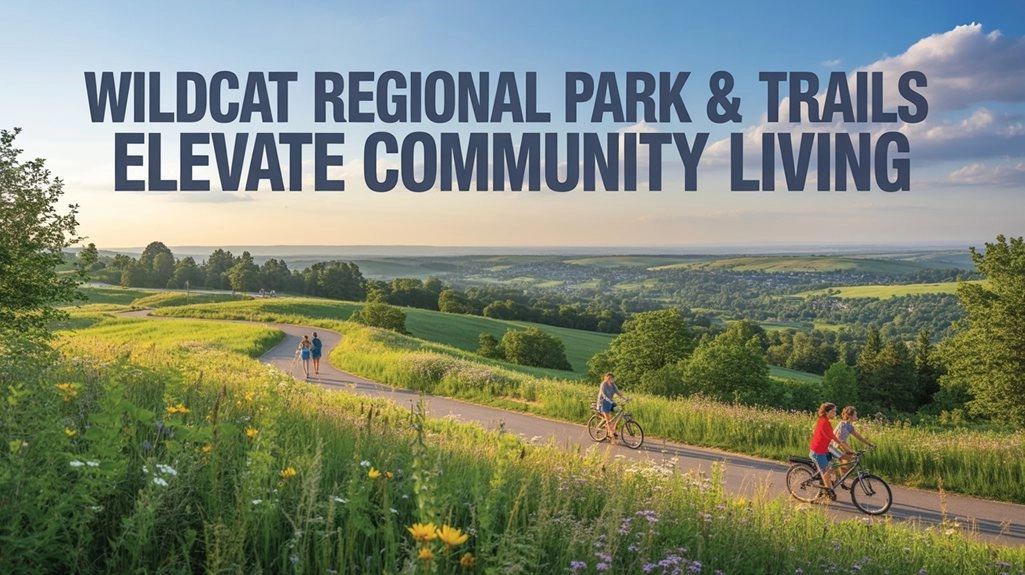
If you live in Highlands Ranch—or you’re thinking about moving here—there’s a big project taking shape that could soon change the way you spend your weekends. The 202-acre Wildcat Regional Park, tucked behind Rocky Heights Middle School and stretching between Monarch Boulevard and Griggs Road, is moving forward with a thoughtful trail-focused design. This isn’t just another park; it’s a community investment in green space, outdoor recreation, and preserving the land’s character. I’ve lived here long enough to know how a new trail system can reshape daily routines, property appeal, and even the conversations at the coffee shop.
Where Wildcat Regional Park Fits into Highlands Ranch
Wildcat Regional Park sits on land that has been part of Douglas County’s open space since 1996. It borders the beloved Backcountry Wilderness Area, a protected swath of rolling hills, elk migration routes, and views you can’t fake. Locals in neighborhoods like BackCountry, Firelight, Weatherstone, and Wildcat Ridge have had a front-row seat to years of discussion about what should (and shouldn’t) be built here. What’s emerging now is a plan that favors preservation over pavement—bringing recreation without losing the open, natural feel that makes this corner of Highlands Ranch special.
From Controversy to Community-Backed Planning
A few years ago, initial concepts included sports complexes, large parking lots, and heavy infrastructure. The reaction? A full-throated “not here” from residents who worried about losing habitat, increasing traffic, and changing the peaceful ridgeline view. Public meetings in 2024 drew packed rooms and passionate comments. As a result, HRCA and Douglas County pulled back, rethinking the plan to keep trails north of the natural ridgeline, protecting the southern area as a dedicated wildlife corridor. That means the elk herd, often spotted near the ridge on crisp fall mornings, will continue to roam undisturbed.
What the Trail System Will Offer
The latest concept isn’t just a couple of dirt paths—it’s a layered trail network designed for different users and experiences. Imagine:
- ADA-accessible loops for strollers, wheelchairs, and easy family walks. These shorter, flatter routes make the park inclusive for all ages.
- Directional mountain bike trails that reduce conflicts with hikers and keep riders flowing through nearly five miles of terrain without backtracking.
- Multi-use routes that connect to existing neighborhood sidewalks and regional paths, making it possible to walk from home to park without ever starting your car.
- Interpretive signs explaining elk migration patterns, native wildflowers, and the story of the Front Range ecosystem—great for curious kids and adults alike.
For families, this means weekend bike rides that don’t require loading up the SUV. For retirees, it’s a morning loop with a friend and a thermos of coffee, watching the light spill over the foothills.
Neighborhood Impact and Daily Life
Living near a major park project like this changes more than your weekend plans. Buyers often put “near parks and trails” at the top of their search filters, and for good reason—easy access to recreation is a proven draw. If you’re in BackCountry, Firelight, or Wildcat Ridge, you might see more folks out in the evenings, more kids riding bikes after dinner, and perhaps a few more cars parked near trailheads on Saturday mornings.
It’s also about the rhythm of daily life. Maybe you’ll swap a treadmill session at the gym for a pre-work trail run. Maybe your teenager takes up photography after spotting a golden eagle on the ridge. Even the simplest change—walking to the park instead of driving—can make your neighborhood feel more connected and less rushed.
Planning Timeline and What’s Next
We’re in the “Community Input Phase,” which means HRCA will hold public meetings and resident votes to finalize the design. If everything stays on schedule, construction could start in spring 2026 and finish by fall. HRCA will manage the park long-term, but if the trails aren’t built within three years, the land reverts to Douglas County. That’s motivation to keep things moving.
Locals who want a say should mark their calendars—public input here really has made a difference in the past. If you were part of the pushback in 2024, you know this is your chance to help shape the final layout.
Why This Matters for Highlands Ranch Living
Highlands Ranch is already known for its master-planned layout, quality schools, and access to the outdoors. Wildcat Regional Park strengthens that brand. It’s another proof point that this community invests in spaces where people can slow down, connect, and enjoy Colorado’s natural backdrop without having to fight I-25 traffic to get there.
For sellers, it’s a fresh selling point: “We’re just a 5-minute walk to the new Wildcat Park trailhead.” For buyers, it’s a reason to choose this side of the metro area over others with less green space. And for those of us who already live here, it’s a reminder that when residents speak up and planning is done right, we can create something that feels both new and timeless.
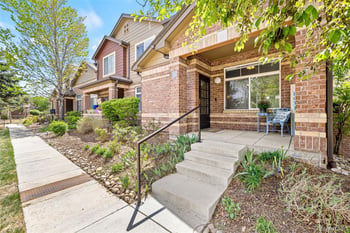
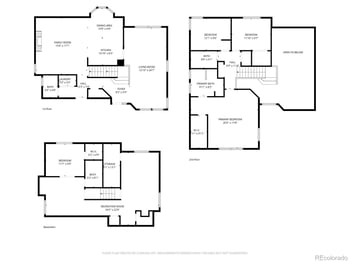
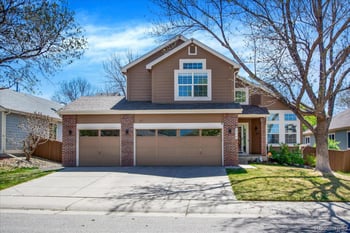
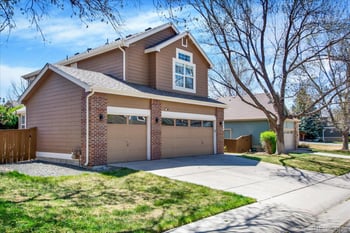
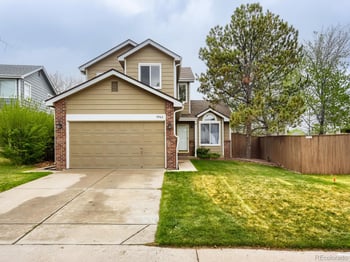
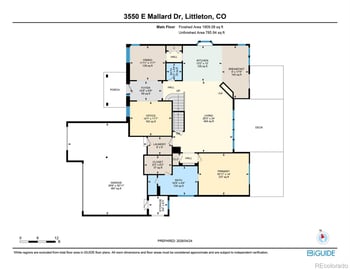
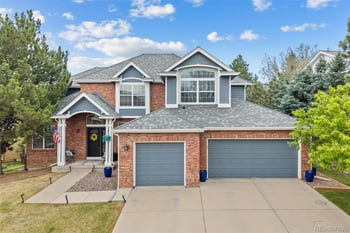
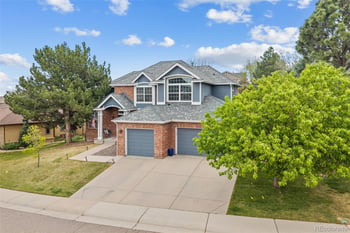
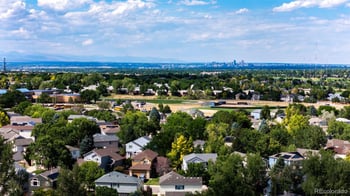
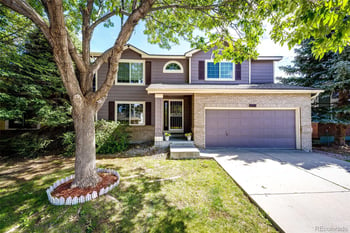
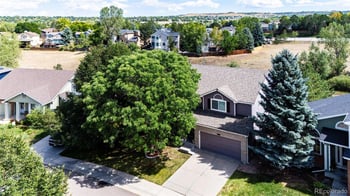
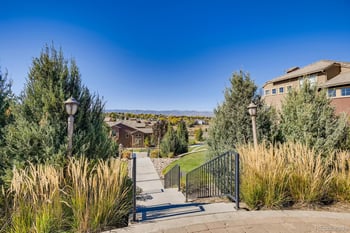
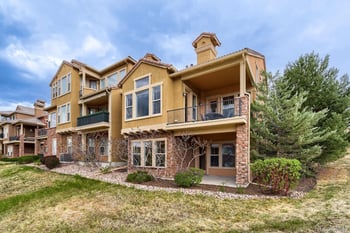
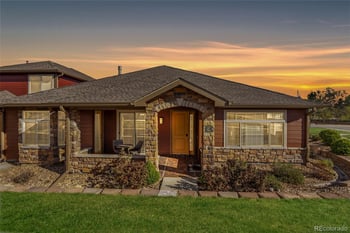
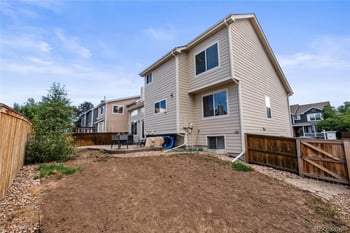
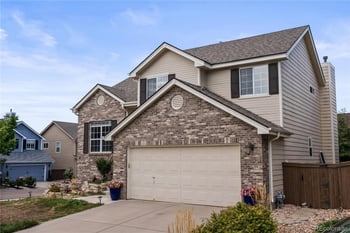
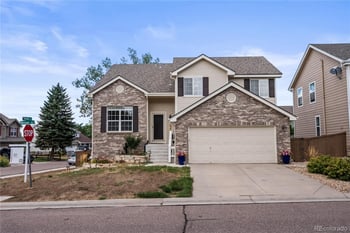
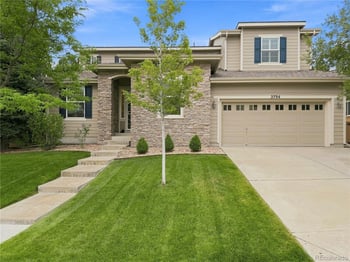
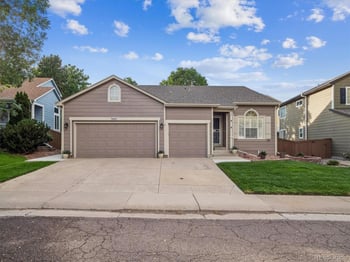
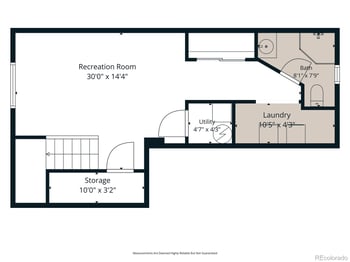
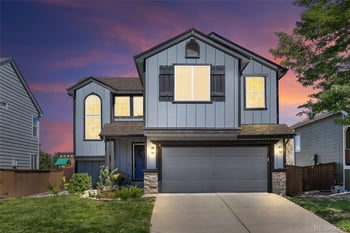
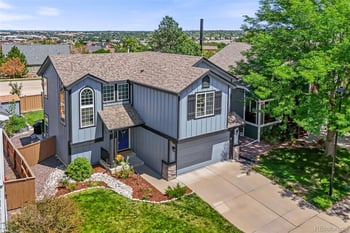
Highlands Ranch Wildcat Regional Park & Trails Home Listings

Ready to find your dream home in Denver?
We can help! Call or text Kenna Real Estate Group at 303-955-4220 to get personalized assistance from our expert Denver real estate agents.
Frequently Asked Questions About Wildcat Regional Park & Highlands Ranch
Where exactly will Wildcat Regional Park be located in Highlands Ranch?
The park site sits behind Rocky Heights Middle School, stretching between Monarch Boulevard and Griggs Road. It borders the Backcountry Wilderness Area and is within easy reach of neighborhoods like BackCountry, Firelight, Weatherstone, and Wildcat Ridge.
What types of trails will the park include?
Plans call for a mix of ADA-accessible walking loops, directional mountain bike trails, and multi-use routes connecting to neighborhood sidewalks and the Douglas County regional trail network. Interpretive signage will share details about local wildlife and ecology.
When is construction expected to start and finish?
If the community input process stays on track, construction is anticipated to begin in spring 2026 and wrap up by fall of the same year. HRCA will manage the park long-term after completion.
Will the park affect local wildlife?
Yes, in a positive way. Trails will be kept north of the ridgeline to protect the elk migration corridor and other sensitive habitats in the southern section. This approach balances recreation with conservation.
Which neighborhoods will benefit most from the new park?
BackCountry, Firelight, Weatherstone, and Wildcat Ridge will enjoy the closest access to new trailheads. However, the park’s connections to the regional trail system mean residents across Highlands Ranch will benefit.
Can residents influence the final park design?
Yes. HRCA is holding public meetings and votes during the Community Input Phase. Past feedback from residents has directly shaped the project, so participation can make a tangible difference.