
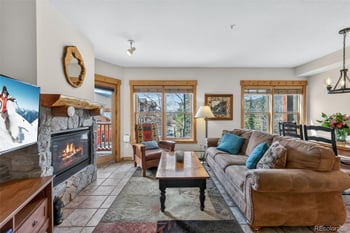
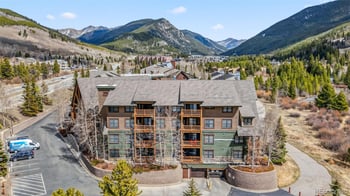
$569,000
Active
1
Beds
1
Baths
676
Sqft
--
Acres
22784 Us Highway 6 #2620, Dillon, CO 80435
MLS#: REC7999466
Compare Dillon homes below by location, HOA details, parking, and Summit County records.

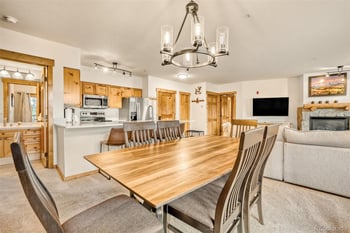
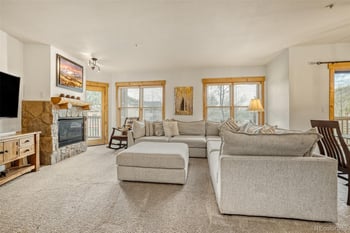
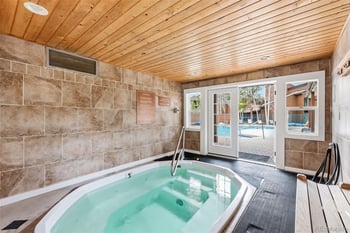
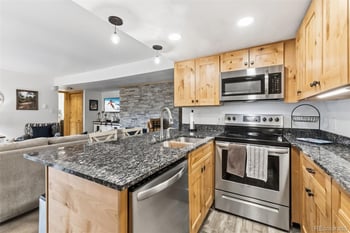
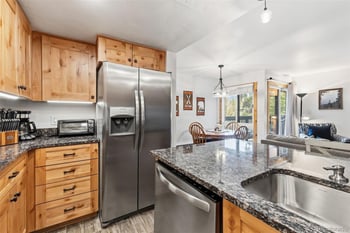

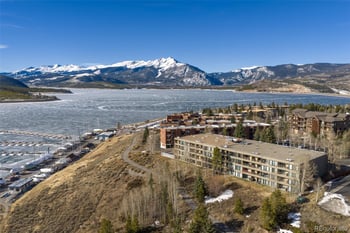
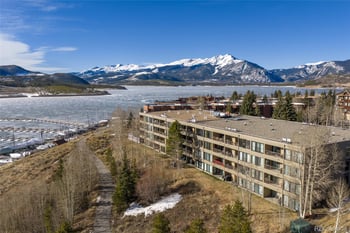


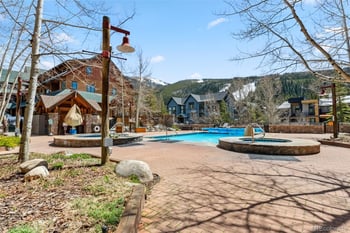



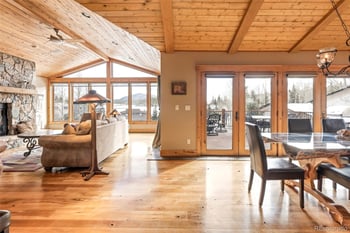
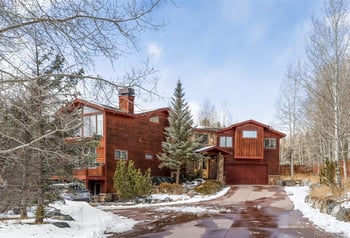


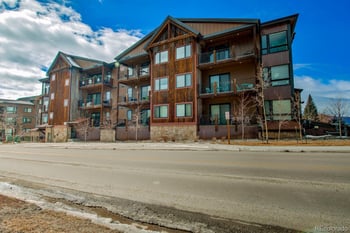
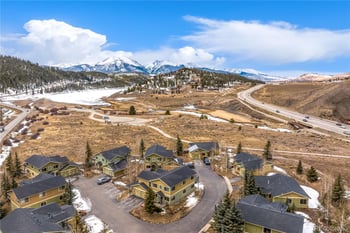
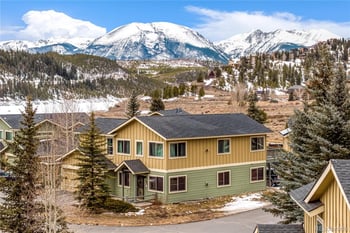
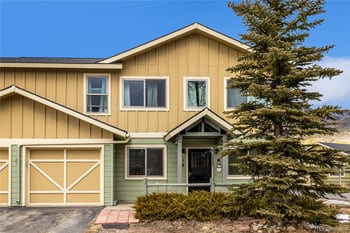


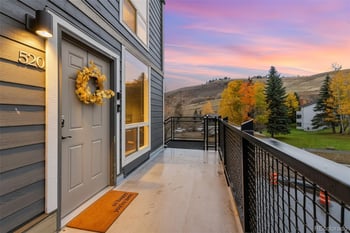
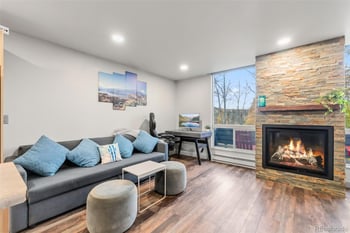
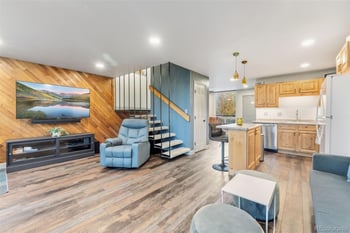


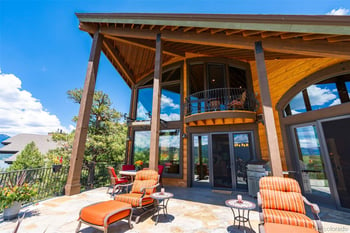


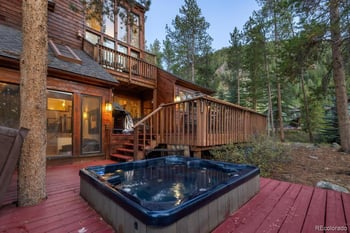
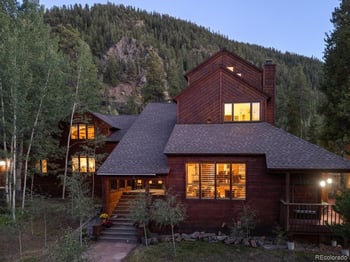
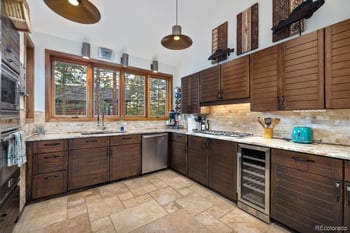
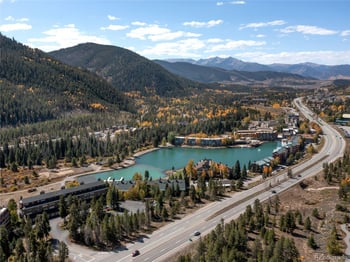
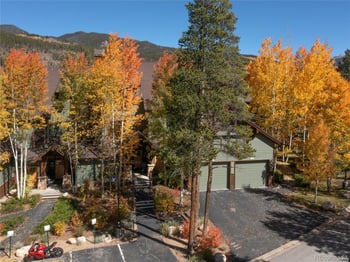
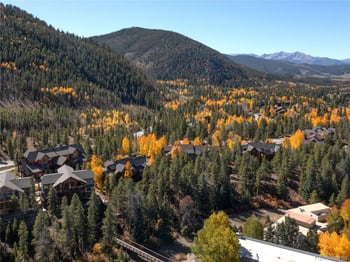




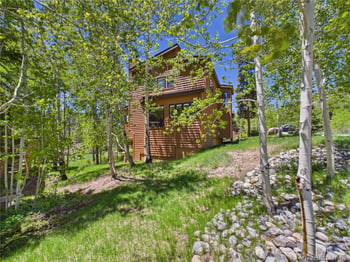
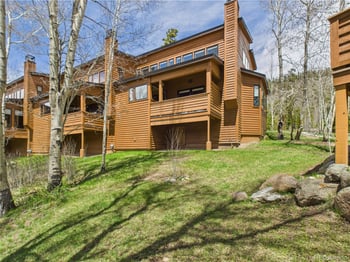
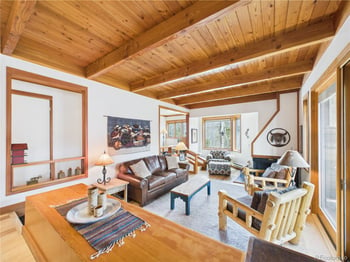
Confirm whether the property is inside the Town of Dillon, in another Summit County town, or in unincorporated Summit County near Dillon. This affects zoning, short-term rental rules, taxes, utilities, and which office answers questions. Then check the Summit County assessor record and mapping tool. Dillon-area searches can include town addresses, condo buildings, and nearby county areas that work differently.
Lake Dillon is useful location context, but buyers should not assume a listing has lake access, views, parking convenience, or marina proximity just because the map looks close. Check the exact address, building orientation, HOA rules, public access routes, and any slope or road barriers. For homes near drainage or shoreline areas, parcel maps and insurance review can also be important.
Dillon has town short-term rental rules, and Summit County has separate rules for unincorporated areas. A buyer should verify jurisdiction before making any rental plan. Check license requirements, renewal dates, parking plans, trash rules, HOA restrictions, occupancy rules, taxes, and whether a license or right to rent transfers after sale. Do not rely on past use alone.
Dillon, Silverthorne, and Frisco are close on a map, but they can differ in town rules, HOA patterns, access to I-70, pricing, parking, and daily routes. Compare the homes by actual parcel location and drive path, not by town name alone. A condo in Dillon and a home in unincorporated Summit County may need very different document review.
Review dues, reserves, insurance coverage, rental rules, parking, storage, pet policies, special assessments, and meeting minutes. Dillon listings often include condos and townhomes where the association can shape ownership costs and use. Buyers should confirm whether amenities, garages, decks, boat or gear storage, and assigned spaces are deeded, limited common elements, or just available by association rules.
Ask about plowing, parking during snow events, snow storage, roof maintenance, and driveway or garage access. If the home depends on I-70, US 6, or local hill roads, compare the route in winter conditions instead of only looking at mileage. For condos, review how the HOA handles snow removal and whether owners have any individual responsibilities.
Use Summit County tools to confirm parcel number, owner, legal description, tax area, building details, zoning where available, and map location. Pay attention to whether the address is truly in Dillon or only nearby. If the listing includes remodels, extra bedrooms, lock-offs, or parking claims, ask for permits, HOA approval, and supporting documents.
After looking at the homes, compare location, parking, HOA strength, rental rules if relevant, route access, storage, utilities, and whether the property sits in Dillon town limits. In Dillon, the difference between two similar-looking units can come down to the association, the parking setup, the view corridor, and the exact Summit County jurisdiction.
Send the Dillon listings you are considering and get help checking jurisdiction, routes, HOA documents, and Summit County records.