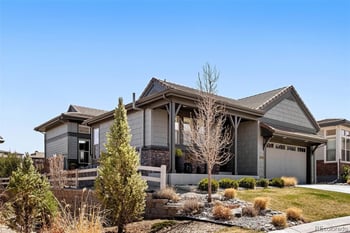
New - 4 Days Ago
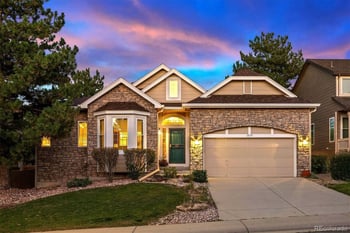
$700,000
Coming Soon
3
Beds
2
Baths
1994
Sqft
0.15
Acres
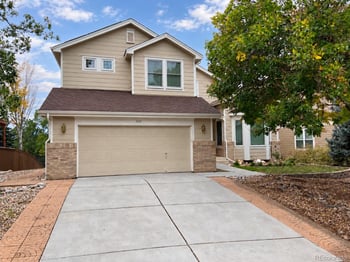
2879 Clairton Dr, Highlands Ranch, CO 80126
MLS#: REC2923579
.jpg)


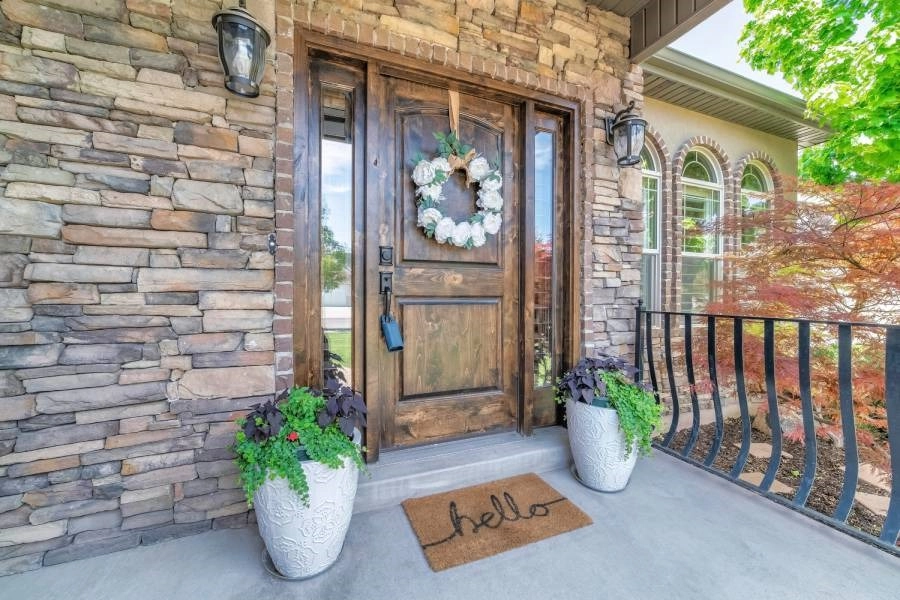
A fiberglass or steel front door with a UV-stable factory finish, a Class 4 hail-rated panel option, and a U-factor of 0.30 or lower holds up to Colorado's sun, hail, and 40-degree daily swings better than a stained wood door on a south-facing Front Range entry.
Front Range homes get 300 days of sun a year, and UV intensity at 5,280 feet and higher fades pigment faster than the same color would fade at sea level. Dark colors, deep reds, navy, and black, absorb more heat and show fade and chalking sooner on a south- or west-facing door than mid-tone colors like sage green, warm gray, or a muted terracotta. A factory-baked finish on a fiberglass door resists UV fade far longer than field-applied paint on wood.
Fiberglass doors handle Colorado's climate swings with the least maintenance: they do not swell, crack, or warp the way wood can in a dry climate, and a factory finish outlasts field-applied paint by years. Steel doors cost less upfront and resist hail well, but a dent from a large hailstone is permanent and visible, unlike fiberglass, which is molded with a wood-grain texture that hides minor surface marks. A solid wood door brings a premium look but needs refinishing every two to four years in a Front Range climate to keep the dry air from cracking the panels.
Colorado's hail season runs from spring through September, and a covered porch or overhang provides the most reliable protection for an exposed front door; an entry with no overhang takes direct hail on the top rail and any glass panels. Fiberglass doors with a textured surface hide minor hail marks better than a smooth steel or painted wood surface, and impact-rated glass inserts, the same laminated glass used in hail-rated windows, protect any decorative glazing in the door.
Many Front Range HOAs and architectural review committees approve door color from a fixed palette and sometimes restrict material or glass style to keep a consistent street appearance across a community. Highlands Ranch, Castle Rock, and most newer Douglas County and Highlands Ranch-area subdivisions require submitting a color sample or product spec before installation. Get that approval in writing before ordering a custom color, following the process outlined in the Denver HOA rules and fees guide.
A like-for-like front door swap in the existing opening does not require a permit in Denver or most Front Range cities. Widening the opening, adding sidelights that change the structural header, or replacing a door as part of a larger remodel does require a permit and inspection. Confirm scope with the local building department before demolition starts, since Aurora, Lakewood, and Colorado Springs each set their own threshold for when a door swap crosses into a permitted remodel.
Denver's historic districts review front door replacement for style and proportion consistent with a home's architectural period, similar to window replacement review. A period-appropriate panel door with the right glazing pattern moves through review faster than a modern flush door on a Victorian-era Baker or Capitol Hill home, per the Denver ADU, zoning, and historic district guide.
Denver's adopted energy code sets a maximum U-factor for entry doors in climate zone 5B, and a code-compliant insulated door with proper weatherstripping keeps conditioned air inside far better than an older door with a worn threshold sweep and gapped weatherstripping. Replacing worn weatherstripping alone, without a full door replacement, is a $50 to $150 fix that closes most of the draft gap on an otherwise sound door.
Wind gusts along the foothills corridor from Golden through Boulder County regularly exceed 50 mph, and a storm door adds a second layer of wind and weather protection on an exposed entry while extending the finish life of the primary door. Choose a storm door with a closer rated for high-wind use; a standard closer can let a storm door slam and crack in a strong gust.
A standard fiberglass front door installed in the Denver metro runs $1,200 to $2,800 depending on glass, hardware, and whether sidelights are included. A steel door runs somewhat less, $900 to $2,000 installed. A custom or historically appropriate wood door with sidelights, common in Denver's older districts, runs $3,000 to $7,000 or more installed.
A fresh, well-maintained front door is one of the highest-visibility, lowest-cost items on a Front Range pre-listing checklist, since it is the first thing a buyer sees at a showing and in listing photos. A dented, faded, or drafty door reads as deferred maintenance even when the rest of the home shows well, the kind of detail covered in preparing and adding value before selling.
A Front Range home inspector checks door alignment, whether it latches and locks correctly, weatherstripping condition, and any sign of water intrusion at the threshold. A door that sticks or does not latch cleanly is a common sign of foundation settling nearby, worth a closer look on a home with known expansive-soil movement before it turns up in an offer built around a Smart Pricing Report.
Sconces flanking a front door are exempt from most HOA landscape-lighting rules, but a community with dark-sky or maximum-lumen restrictions still applies them to porch fixtures visible from the street. Pair a new door with warm-white, fully shielded sconces in the 2,700K to 3,000K range to stay inside most Front Range architectural guidelines while keeping the entry well lit.
An ENERGY STAR certified entry door with a qualifying U-factor qualifies for a federal energy efficiency tax credit in the year it is installed, and some Xcel Energy programs periodically include exterior door upgrades alongside window and insulation rebates. Confirm current federal and Xcel Energy program rules with a tax professional or the utility directly before counting on a specific credit amount, since eligible products and credit limits change from year to year.
Front Range listings in Denver, Boulder, and Fort Collins are showing more single-panel modern doors with a narrow vertical glass insert, paired with black or bronze hardware, alongside the traditional two-panel Craftsman style that suits the region's bungalow stock. Both styles work with fiberglass construction, so the choice comes down to matching the home's existing roofline and trim rather than picking a trend for its own sake.
Getting a Front Range home ready to list, a fresh front door is one line on a longer pre-listing checklist, and the Kenna Real Estate Group tells sellers which upgrades earn back their cost and which do not. Call or text 303-955-4220. A live person answers. Not a robot, not a phone tree. Ready to browse instead? search every home for sale in Colorado.
Questions about any home in Colorado? Call or text 303-955-4220. A live person answers.
Mid-tone colors like sage green, warm gray, or muted terracotta resist fading better than dark colors on a south- or west-facing door. A factory-baked finish on fiberglass outlasts field-applied paint.
Many Front Range HOAs approve door color from a set palette and sometimes restrict material or glass style. Submit a color sample or product spec and get written approval before ordering a custom color.
A like-for-like swap in the existing opening does not require a permit. Widening the opening or changing the structural header does require a permit and inspection.
Fiberglass with a textured surface hides minor hail marks better than smooth steel or painted wood. Impact-rated glass inserts protect any decorative glazing during hail season.
A standard fiberglass door runs $1,200 to $2,800 installed. Steel runs $900 to $2,000. A custom wood door with sidelights runs $3,000 to $7,000 or more.
Yes. Solid wood doors need refinishing every two to four years in a Front Range climate to keep low humidity and UV exposure from cracking the panels.
Yes, it is one of the highest-visibility, lowest-cost items on a pre-listing checklist since it is the first thing buyers see in showings and listing photos.
Door alignment, latching and locking, weatherstripping condition, and signs of water intrusion at the threshold. A sticking door can point to nearby foundation settling worth a closer look.