New - 7 Hours Ago


.jpg)



Relocating to Colorado and buying a home works best in four moves: get the finances set at Colorado costs before the move, rent for 3 to 6 months in the area you plan to buy, negotiate with the Colorado contract deadlines in hand, and use remote tools so the search runs from wherever you live now. This guide gives the Denver metro and Front Range numbers for each step.
Buyers arrive from California, Texas, Illinois, Arizona and Washington, plus military transfers to Buckley Space Force Base, Fort Carson and Peterson. Most buy within 90 days of arrival. The ones who do it well start the four steps below 60 to 120 days before the moving truck.
A pre-approval from a lender in your current state is a start, but the payment needs Colorado inputs. The Kenna Real Estate Group works with Mike Oswald, VP of Mortgage Lending at Rate, NMLS 261003, Equal Housing Lender, who prices loans on Front Range homes daily. You are free to use any lender. Build the budget on these numbers:
Start with the Colorado mortgage pre-approval guide and the Colorado home financing guide. Budget 2% to 3% of the price for buyer closing costs; the list is on closing costs for Colorado home buyers. If the employer offers a relocation package, read relocation packages and employer assistance in Denver before you negotiate it.
Denver metro cities differ by commute, elevation, snow load and price far more than a map shows. A 6-month lease in the target city costs $10,000 to $15,000 and prevents a $600,000 mistake.
| Area | Rent, 1 to 2 bedroom | What you learn by living there |
|---|---|---|
| Central Denver (Capitol Hill, Wash Park, Highlands) | $1,600 to $2,600 a month | Walkability, parking permits, older homes with clay sewer lines |
| South metro (Centennial, Highlands Ranch, Lone Tree) | $1,800 to $2,800 | DTC commute, HOA and metro district rules, light rail E and R lines |
| Douglas County (Parker, Castle Rock) | $1,800 to $2,700 | I-25 and E-470 toll commute, newer construction, metro district taxes |
| North and west (Arvada, Westminster, Golden) | $1,600 to $2,500 | Foothills access, US-36 to Boulder, older ranches on larger lots |
| Colorado Springs | $1,300 to $2,000 | Military commute to Fort Carson and Peterson, lower prices, Pikes Peak weather |
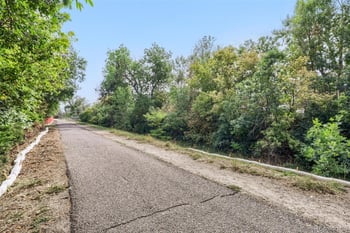
While renting, drive the commute at 7:30 a.m. and 5 p.m. on I-25, C-470 and I-70, not on a Sunday. Spend one hail season and one snow month in the area. Walk the parks and trails near the homes you like: the High Line Canal, Cherry Creek Trail, Bear Creek and the Chatfield reservoir loop are the ones south metro buyers ask about most. The moving to Denver guide and the Front Range relocation checklist cover the rest of the first 90 days, and every city has its own guide, such as moving to Centennial and moving to Castle Rock.
Colorado purchases run on the Colorado Real Estate Commission's Contract to Buy and Sell, and every deadline in it is a negotiating tool. The Kenna Real Estate Group negotiates these five items on relocation purchases:
Read making an offer on a Colorado home for the deadline structure and what new Denver residents should know before buying for the metro-specific checks.
A buyer in Austin or San Jose can search, tour and go under contract on a Denver metro home without a flight. What the group provides and what to use on your own:
The most common mistakes people make when moving to Colorado post and why the car trips up new Colorado residents cover the rest.
The Kenna Real Estate Group, Keller Williams DTC, runs relocation purchases across the Denver metro, Colorado Springs and the Front Range from the first video showing to the keys at the door, with commute tours, Colorado-priced pre-approvals and a lease-to-closing timeline built around your move date. Read how we help buyers, then call or text 303-955-4220. A live person answers. Not a robot, not a phone tree. Start now and search every home for sale in Colorado.
Three to six months in the city you plan to buy in. A 6-month lease costs $10,000 to $15,000 and lets you test the commute, one hail season or one snow month, and the metro district and HOA rules before committing to a $600,000 purchase.
Lower. A $600,000 Front Range home pays $3,000 to $5,500 a year, compared with two to three times that in most Texas counties. The exception is a metro district, which adds 20 to 70 mills in newer subdivisions.
Hail. The Front Range sits in the most active hail corridor in the country, so a $600,000 home carries a $2,000 to $4,000 annual premium, and a roof over 15 years old is declined by many carriers.
Yes. Colorado title companies use mobile notaries and remote online notarization, the lender's documents are signed electronically, and the Kenna Real Estate Group hands over keys at the door.
Conventional loans allow 3% to 9% depending on down payment, FHA allows 6% and VA allows 4%. On homes with 30 or more days on market, 2% to 3% is a common negotiated concession.
Get a Colorado driver license within 30 days of establishing residency and register the vehicle within 90 days. Front Range counties require an emissions test, and first-year registration on a newer car runs $400 to $900.
Centennial, Greenwood Village, Lone Tree and Highlands Ranch reach the DTC in 10 to 20 minutes by I-25 or C-470, and the light rail E line serves the corridor from Lone Tree to downtown.