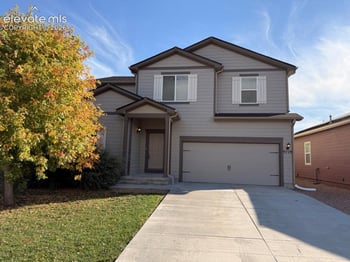
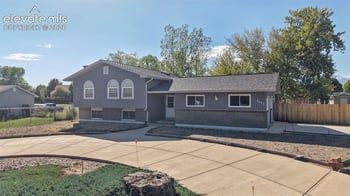
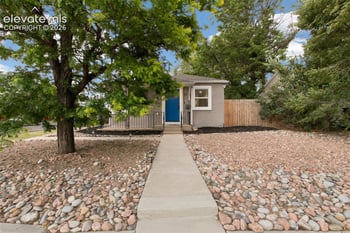
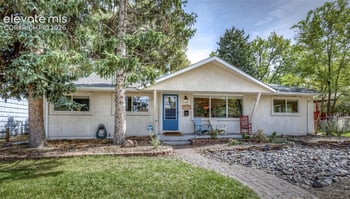
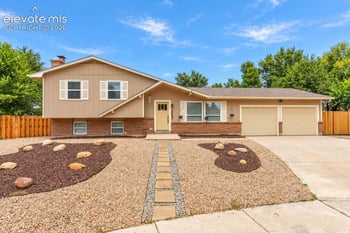
New - 6 Hours Ago

$29,999
Active
2
Beds
1
Baths
660
Sqft
0.02
Acres
220 Mount View Ln Lot 8, Colorado Springs, CO 80907
MLS#: REC4901397
.jpg)



Winning a home in a competitive Front Range market comes down to four things: financing that is actually ready to move, an agent who knows the specific neighborhood's pace, a fast and complete offer, and a clear plan for the inspection objection deadline before you are under contract. Buyers who show up with all four consistently beat buyers who show up with just a good offer price.
Denver, Aurora, Colorado Springs, Fort Collins and the rest of the Front Range move at different speeds by price band and ZIP code, sometimes days, sometimes weeks. First-time buyers competing against move-up buyers and cash offers need every one of these four steps in place before they submit, not just a strong price. Here is what actually wins a home once you find it.
A pre-approval letter, not a pre-qualification, confirms a lender has reviewed your income, credit and assets and tells a seller you can close. Pre-qualification is a quick estimate; pre-approval is underwritten. Sellers and listing agents in a competitive Front Range market frequently weigh offers with strong pre-approval letters ahead of offers backed only by pre-qualification, even at the same price.
Talk to a lender before your first showing so you know your real budget, not a rough estimate. Mike Oswald at Rate (NMLS 261003, Equal Housing Lender) handles Front Range pre-approvals; you are free to use any lender. Start at Colorado home financing or the Colorado mortgage pre-approval guide.
A Denver metro agent who tracks days-on-market by ZIP code knows whether a listing in Wash Park needs an offer within 24 hours or whether a Colorado Springs listing has more room to negotiate. Ask a prospective agent how many offers they have written in your target neighborhood in the last 90 days, and ask for their win rate on competitive listings specifically.
An agent set up to send new listings the moment they hit the MLS, rather than the next morning's email digest, buys you hours in a market where the best-priced homes draw offers within the first day or two. Ask how fast their alert system actually notifies you, not just whether one exists.
A complete offer includes your pre-approval letter, proof of funds for the down payment, and every form the seller's agent needs to accept without asking for missing paperwork. Front Range earnest money runs 1% to 3% of the purchase price, held in escrow and applied to your down payment at closing. A higher earnest money deposit signals commitment to a seller comparing multiple offers, though it should stay within an amount you are comfortable putting at risk if the deal falls through for a reason outside your contingencies.
An escalation clause, an offer that automatically increases up to a stated cap if a competing offer comes in higher, is allowed under the standard Colorado contract and works well in a true multiple-offer situation. It only helps if your lender has confirmed you can actually finance the higher price it can trigger.
The Colorado contract sets an inspection objection deadline, a specific date by which you must complete your inspection and submit any objections or the right to object is waived. In a competitive offer, buyers sometimes shorten this window or limit objections to major structural, mechanical or health-related items rather than a full repair list, both are strategies to strengthen an offer, not requirements. Decide your inspection strategy with your agent before you submit the offer, not after you are already under contract and the clock has started.
| Element | Typical Front Range Range | Why It Matters to a Seller |
|---|---|---|
| Earnest money | 1% - 3% of price | Signals financial commitment |
| Inspection objection deadline | 5 - 10 days from acceptance | Sets how fast the deal firms up |
| Closing costs (buyer side) | 2% - 4% of price | Confirms budget is fully accounted for |
| Pre-approval vs. pre-qualification | N/A | Pre-approval is underwritten, not estimated |
An offer above list price makes sense when your agent's comparable-sales data supports the higher number and your lender has confirmed the loan amount works with your down payment if the appraisal comes in at or above that price. Going above asking without an appraisal gap plan means you need cash ready to cover the difference if the home appraises lower than your offer. Ask your lender to run that scenario before you submit an offer above the list price, not after it is accepted.
A larger down payment strengthens an offer two ways: it reduces the loan-to-value ratio a lender has to underwrite, and it gives you more room to cover an appraisal gap without renegotiating. A 20% down payment also avoids private mortgage insurance on a conventional loan, lowering your monthly payment and making your offer's true cost more predictable for your own budget, separate from how it looks to a seller.
If you are touring several Front Range listings at once, rank them by which ones you would actually walk away from if the inspection turns up a real issue. Chasing every listing with your maximum offer wears down your budget and your patience. Save your strongest terms, escalation clause, shortened inspection window, larger earnest money, for the home you would genuinely regret losing.
Colorado's Seller's Property Disclosure lists known defects, roof age, foundation issues, water intrusion, radon results and system problems, before you ever schedule an inspection. Read it closely before you finalize your offer strategy; a disclosed roof replacement due soon, for example, is a fact to negotiate around rather than a surprise mid-contract. Radon is common enough along the Front Range that a test result on the disclosure, or a plan to test during your own inspection window, should be part of every offer you submit.
Plan for a final walkthrough shortly before closing to confirm the home's condition matches the contract and any agreed repairs are complete. At closing, you will sign the final loan documents, review the settlement statement for the purchase price, closing costs and prorated taxes, and bring certified funds for anything due beyond your loan amount. In Colorado, closing happens at a title company, and you receive keys once funds are confirmed and the deed records.
The Kenna Real Estate Group tracks days-on-market and offer activity by Front Range neighborhood so every buyer walks into a multiple-offer situation with a real strategy, not a guess. Call or text 303-955-4220. A live person answers. Not a robot, not a phone tree. Ready to see what's available right now? Search every home for sale in Colorado.
Questions about any home in Colorado? Call or text 303-955-4220. A live person answers.
Pre-qualification is a quick estimate based on self-reported numbers. Pre-approval means a lender has underwritten your income, credit and assets, which carries far more weight with a seller comparing offers.
The specific date in a Colorado contract by which a buyer must complete an inspection and submit any objections in writing, or the right to object is waived. It is set at 5 to 10 days from acceptance in most Front Range contracts.
Between 1% and 3% of the purchase price is standard, held in escrow and applied to the down payment at closing.
Yes. An escalation clause automatically raises your offer up to a stated cap if a competing offer comes in higher, and works within the standard Colorado contract when your financing supports the potential higher price.
2% to 4% of the purchase price on average, covering loan fees, title fees, appraisal, inspection and prepaid items like property taxes and insurance.
A full waiver is a real risk. A narrower approach, limiting objections to major structural, mechanical or health-related items, keeps some protection while still strengthening the offer.
You sign final loan documents, review the settlement statement for price, costs and prorated taxes, bring certified funds for anything due beyond your loan, and receive keys once the deed records at the title company.