New - 1 Hour Ago

.jpg)


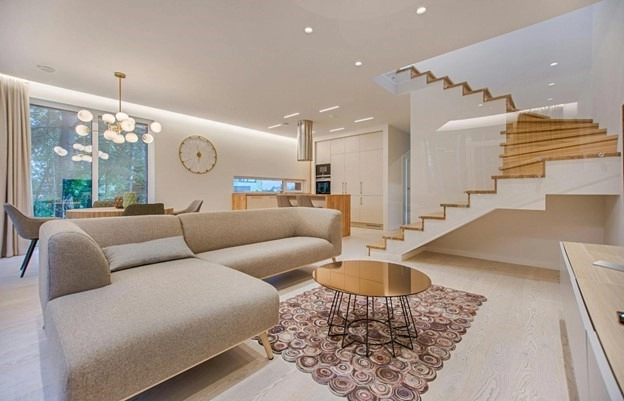
Front Range rental property design affects more than curb appeal: it shapes how fast a unit fills a vacancy, how long a tenant stays and what a property is worth when a landlord eventually sells. In a competitive Denver metro rental market, design is a financial decision, not a style preference.
Yes. A well-maintained, thoughtfully finished unit commonly rents faster and holds tenants longer than a comparable unit with dated finishes, which reduces the vacancy days that cost a landlord the most in lost rent. First impressions form the moment a prospective tenant sees photos or walks in the door.
Layout and finish choices that make daily life easier (built-in storage, an efficient kitchen layout, durable flooring) show up in tenant satisfaction and renewal rates. A tenant who finds a unit comfortable and well laid out has less reason to shop for a replacement when the lease comes up.
Durable, low-maintenance materials reduce turnover costs between tenants: luxury vinyl plank flooring handles Front Range dust and foot traffic better than carpet, and energy-efficient fixtures cut utility costs that matter to budget-conscious renters. These choices reduce wear and tear and speed up unit turnover between leases.
| Unit condition | Typical days to lease |
|---|---|
| Dated finishes, minimal upkeep | 30 to 45+ days |
| Fresh paint, clean flooring, good photos | 10 to 20 days |
The gap between those two scenarios commonly costs more in lost rent than the upgrades themselves.
Energy-efficient windows, updated kitchen fixtures and durable, neutral flooring appeal to both future tenants and future buyers if a landlord eventually sells the property. See the improvements that count most toward resale value in the preparing and adding value before selling guide.
Drought-tolerant, low-maintenance landscaping keeps water costs down while still improving the first impression a prospective tenant gets from the street. This matters more in Colorado than in wetter states, where an over-watered lawn is both a cost and, in many Front Range cities, a water-use concern.
Partnering with property management services familiar with local rental demand can help prioritize which upgrades actually affect leasing speed versus which are cosmetic preference; not every design choice returns its cost in faster leasing or higher rent, and local market knowledge is worth the cost for landlords managing more than one unit. Pairing the right design choices with strategic digital marketing for the listing photos and description helps a well-designed unit actually get seen by the renters searching for exactly that layout and finish level.
Smart thermostats, in-unit laundry where feasible, and reliable high-speed internet infrastructure rank high with Front Range renters, alongside the basics of updated kitchens and bathrooms. Not every rental needs every amenity, but matching the unit's finish level to its rent band keeps expectations aligned.
Thoughtful layouts with easy access to plumbing, electrical systems and HVAC units allow faster repairs and inspections, which reduces long-term maintenance costs for the owner. Durable materials chosen upfront cost more initially but reduce the repair and replacement cycle between tenants.
Deferred maintenance disguised with a quick coat of paint instead of an actual repair, mismatched or worn flooring left in place through multiple tenant turnovers, and skipping updated photos when a unit's finishes do improve all cost landlords in longer vacancy time and lower achievable rent.
A single-family rental in a Front Range neighborhood competes against other single-family homes on space and yard condition; a multi-unit building competes on shared-space finishes (lobby, laundry room, parking) in addition to the individual unit. Both benefit from the same core priorities: clean, durable, well-lit and well-maintained.
A light refresh (paint, deep clean, minor repairs) commonly runs a few hundred to around $1,500 between tenants for a typical Front Range unit; a fuller update (flooring, fixtures) runs several thousand and is best timed to a longer vacancy or a larger repositioning of the rent.
Colorado's warranty of habitability sets a floor for livable condition regardless of design choices, and cities including Denver run separate rental licensing requirements landlords should confirm before major renovation work. Check current Denver rental licensing rules and any HOA restrictions on exterior changes before starting a design project.
The core priorities (curb appeal, durable finishes, efficient layout) apply across the Front Range; the main difference is local rent bands and tenant expectations, which a property manager or a Kenna agent familiar with both markets can help calibrate. A premium finish level that pays off in central Denver does not always pencil out the same way in a more budget-conscious Colorado Springs submarket.
Dry winter air, close to 300 days of sun a year and hard tap water all shorten the lifespan of certain finishes faster in a Colorado rental than in a milder, more humid climate. Landlords who budget for UV-resistant window treatment, sealed wood finishes and water-softening fixtures upfront see fewer mid-lease maintenance calls than those who use whatever finish is cheapest at move-in.
Cosmetic upgrades (paint, flooring, fixtures) commonly need no city permit, but structural changes, electrical work and any change affecting a shared building system in a multi-unit property need permits through the relevant city or county building department. HOA-governed rentals also need association approval for any exterior change, regardless of city permit requirements.
Start with the unit closest to a lease turnover or already sitting vacant, since that is where a design upgrade turns into leased income the fastest. Spread larger capital upgrades (flooring, fixtures) across units over multiple years rather than all at once, timing each to that unit's own vacancy window instead of disrupting an occupied, paying tenant.
Want to maximize a Front Range rental's value with the right design priorities? The Kenna Real Estate Group works with investors across the Denver metro on what upgrades actually pay off. Call or text 303-955-4220. A live person answers. Not a robot, not a phone tree. Search every home for sale in Colorado at kennarealestate.com/homes.
Questions about any home in Colorado? Call or text 303-955-4220. A live person answers.
Yes; a fresh, well-photographed unit commonly leases in 10 to 20 days compared to 30 to 45 or more days for one with dated finishes and minimal upkeep.
A well-maintained, drought-tolerant landscape, clean signage and a well-lit entry make the strongest first impression before a prospective tenant sees the unit itself.
Luxury vinyl plank handles Front Range dust and foot traffic better than carpet and lowers turnover costs between tenants.
A property manager with local market knowledge can help prioritize which upgrades actually speed up leasing versus which are cosmetic preference that will not return their cost.
A light refresh (paint, deep clean, minor repairs) commonly runs a few hundred dollars to around $1,500; a fuller flooring or fixture update runs several thousand.
Yes, the state's warranty of habitability sets a livability floor, and cities including Denver run separate rental licensing rules landlords should confirm before major work.
The core priorities of curb appeal, durable finishes and efficient layout apply across the Front Range; local rent bands and tenant expectations are the main variable between submarkets.
Yes, energy-efficient windows, updated kitchen fixtures and durable, neutral flooring appeal to both future tenants and future buyers if the property is eventually sold.


