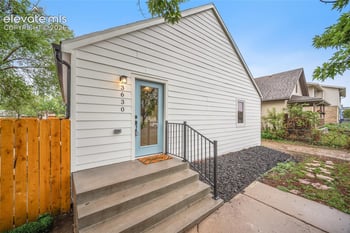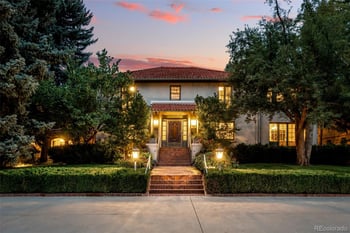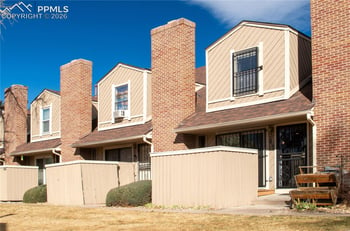
$345,000
Pending
3
Beds
2
Baths
1538
Sqft
0.0202
Acres
3300 W Florida Ave #48, Denver, CO 80219
MLS#: 9397860
.jpg)


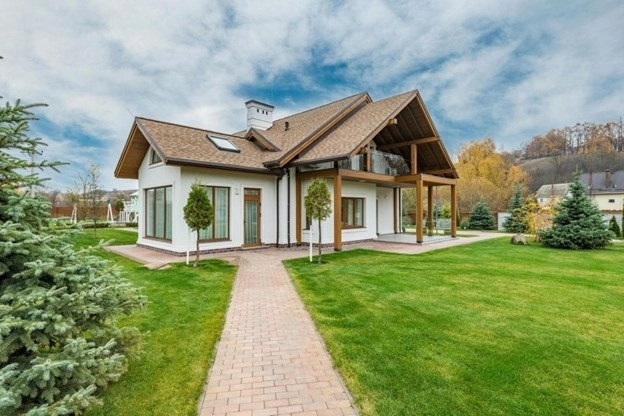
The fastest payback on a sustainable home upgrade in Colorado comes from three places: attic insulation, water fixtures, and Xcel Energy rebates that cut the up-front cost of the bigger projects. A Front Range homeowner can cut utility bills 15% to 30% with a combination of low-cost fixes before ever pricing out a full solar installation.
Denver metro homes lose more energy through an under-insulated attic than through any other single point, especially given how far temperatures swing between a sunny afternoon and a cold Front Range night. Adding blown-in cellulose or fiberglass insulation to bring an attic up to R-49, the level recommended for Colorado's climate zone, runs $1,500 to $3,500 for an average home, with most homeowners seeing the cost paid back within 3 to 5 years in reduced heating and cooling costs. Air sealing around attic penetrations, recessed lights and the attic hatch costs another $300 to $800 and stops warm air from escaping through gaps insulation alone does not fix.
Before paying full price for insulation, a heat pump, a smart thermostat or LED lighting, check Xcel Energy's current rebate list. Xcel has offered rebates on attic and wall insulation, high-efficiency furnaces and heat pumps, smart thermostats, and LED bulbs, and the rebate amounts change through the year, so confirm the current offer on Xcel's site before you book a contractor. Some rebates require a pre-approved contractor or a home energy audit first, which Xcel also subsidizes for many Front Range homeowners.
Denver Water and most Front Range utilities restrict outdoor watering days and hours through the summer, and a lawn that needs daily watering to survive Colorado's dry climate fights those restrictions every week. Replacing turf with xeriscape planting, native grasses, drought-tolerant perennials and mulched beds, cuts outdoor water use by 50% or more once established and qualifies for a utility turf-replacement rebate in many Front Range service areas. A full xeriscape conversion for a typical front yard runs $3 to $12 per square foot depending on the plant palette and hardscape included.
Colorado gets close to 300 days of sun a year, which makes solar one of the better payback windows in the country for a residential system. A typical home solar installation costs $15,000 to $25,000 before incentives, and the federal solar tax credit plus any current Xcel or local utility incentive brings the net cost down meaningfully. Payback on a Front Range system lands between 8 and 12 years for most households, the exact number driven by your roof's orientation, shading and your household's electric use, and a south-facing roof pitch performs best at this latitude.
| Upgrade | Typical Cost | Payback Window |
|---|---|---|
| Attic insulation to R-49 | $1,500 to $3,500 | 3 to 5 years |
| Smart thermostat | $130 to $280 installed | 1 to 2 years |
| LED lighting (whole home) | $150 to $400 | Under 2 years |
| Low-flow fixtures and showerheads | $150 to $600 | 1 to 3 years |
| Xeriscape front yard conversion | $3 to $12 per sq ft | 5 to 10 years |
| Solar panel system | $15,000 to $25,000 | 8 to 12 years |
Swapping standard showerheads and faucet aerators for WaterSense-labeled low-flow fixtures cuts indoor water use without a noticeable difference in water pressure, and most Front Range utilities offer a rebate on the swap or hand out fixtures free at a utility office. A full low-flow fixture upgrade for a typical home runs $150 to $600 including labor if you are not doing it yourself.
Cold-climate heat pumps now perform well down into single-digit temperatures, which makes them a realistic option for a Front Range home even through a Colorado winter, especially paired with a backup furnace for the coldest stretches. A heat pump system costs $6,000 to $15,000 installed depending on home size and ductwork condition, offset by Xcel and federal tax credit incentives that change year to year.
Colorado law protects a homeowner's right to install solar panels and limits how much an HOA can restrict xeriscaping, but many associations still require a design review submission before work starts, covering panel placement, plant palette or hardscape materials. Submit plans early; a metro district or HOA review can add weeks to a project timeline that a straightforward job would otherwise finish in days.
Buyers touring a Front Range home increasingly ask about the furnace's age, the insulation level and the utility bill history, and a seller who can produce Xcel usage data and a recent energy audit answers that question before it becomes a negotiating point. Solar panels, especially owned outright rather than leased, and a documented insulation upgrade show up as a plus in listing conversations without needing to be the headline feature of the sale.
Ask for the printable Colorado home efficiency checklist in the form below and we email it the same day.
Single-pane and older double-pane windows lose heat fast during a Front Range cold snap and let in more UV than a newer low-E coated window. Full window replacement runs $600 to $1,200 per window installed and is one of the higher-cost items on this list, so most homeowners start with cheaper interim fixes: cellular shades, heavy curtains and window film cut heat loss for $200 to $600 total across a home, and a storm window adds a second layer of insulation over an existing frame for less than full replacement.
Denver, Boulder and several Front Range cities run curbside or drop-off composting programs that divert food scraps from the landfill, and signing up costs nothing beyond a countertop bin. A rain barrel, legal in Colorado for residential use up to a set collection limit under state water law, captures roof runoff for garden and xeriscape watering and costs $80 to $200 installed. Neither project meaningfully changes a utility bill on its own, but both cut the household's overall footprint at close to zero ongoing cost, which makes them an easy starting point for a renter or a homeowner not ready for a bigger project yet.
Whether you are pricing sustainability upgrades before selling or want to know which ones matter most in your Front Range neighborhood, the Kenna Real Estate Group can walk you through what buyers actually value locally. Call or text 303-955-4220. A live person answers. Not a robot, not a phone tree. Ready to see what's on the market? Search every home for sale in Colorado.
Questions about any home in Colorado? Call or text 303-955-4220. A live person answers.
Attic insulation to R-49 has the fastest payback for most homes, 3 to 5 years, because it addresses the biggest single point of heat loss in a Front Range home.
Xcel Energy offers rebates on insulation, high-efficiency furnaces and heat pumps, smart thermostats and LED bulbs; check the current rebate list before booking a contractor.
A full front-yard xeriscape conversion runs $3 to $12 per square foot depending on the plant palette and hardscape, and it qualifies for a utility turf-replacement rebate in many service areas.
With close to 300 days of sun a year, a Front Range solar system pays back in 8 to 12 years for most households after federal and utility incentives, depending on roof orientation and household electric use.
Colorado law protects a homeowner's right to install solar, though most HOAs still require a design review submission covering panel placement before work starts.
Yes, Colorado allows residential rain barrel use up to a set collection limit under state water law, and it costs $80 to $200 installed.
Buyers increasingly ask about furnace age, insulation level and utility bill history, and Xcel usage data plus a recent energy audit answer that before it becomes a negotiating point.
Start under $500 with LED bulbs, a smart thermostat and low-flow showerheads and aerators before moving to attic sealing or a xeriscape conversion.