New - 16 Hours Ago
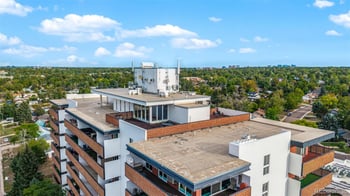


$425,000
Coming Soon
3
Beds
2
Baths
1408
Sqft
--
Acres
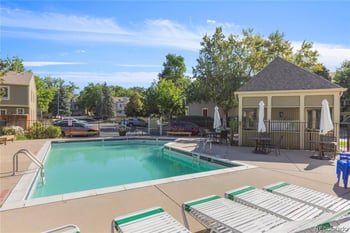
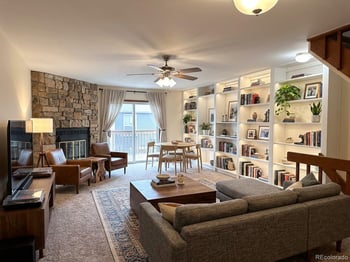
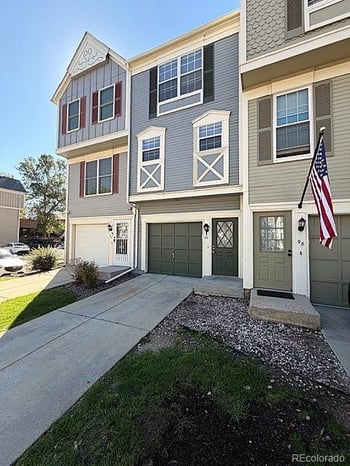
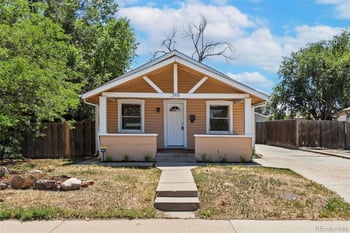
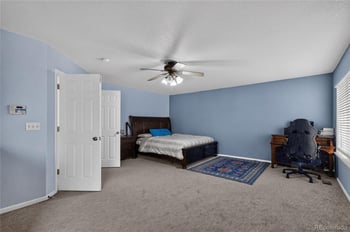
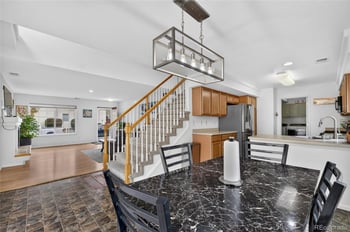
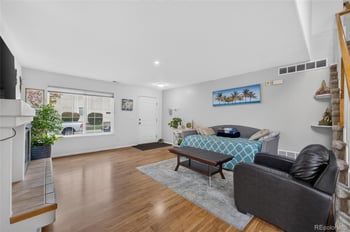
4570 E Yale Ave #301, Denver, CO 80222
MLS#: REC6120582
.jpg)


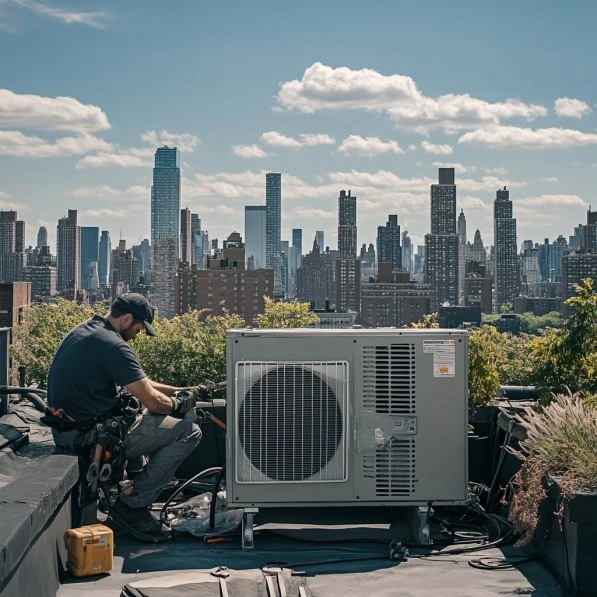
Rooftop AC units on Colorado multifamily and commercial buildings take a harder beating than ground-mounted equipment: hail dents and punctures the thin aluminum fins on condenser coils, thinner mountain air makes compressors work harder to move the same volume of cooled air, and repeated freeze-thaw cycles loosen roof curb seals around every unit. For a real estate investor, a seasonal maintenance schedule costs far less than the emergency repairs, vacancy costs and roof leaks that follow a neglected system.
Hail season runs roughly mid-April through mid-September across the Front Range, and rooftop condenser coils sit directly in the strike zone with no wall or eave to shield them. Bent fins reduce airflow across the coil, which forces the compressor to run longer to hit the same setpoint and shortens compressor life. At Denver's 5,280-foot elevation and higher in the foothills, thinner air also reduces the cooling capacity of a given unit compared to sea level, so systems sized without an elevation adjustment already run close to their limit before storm damage is added on top.
A spring visit, done before hail season ramps up in late spring, should check refrigerant charge, clean condenser coils, inspect fin condition for prior hail dents, test the thermostat and controls, and verify the roof curb seal and flashing around the unit are intact. A fall visit after the season should re-inspect coils for any storm damage picked up over the summer and confirm drainage is clear before the first freeze. Investors managing multiple rooftop units should invest in rooftop AC unit maintenance on a contract basis rather than calling a technician only after a tenant complains; most commercial HVAC contractors price seasonal contracts per unit, and the per-visit cost drops with the number of units under contract.
| Service | Typical cost |
|---|---|
| Seasonal maintenance visit, per unit | $150-$350 |
| Coil repair after hail, per unit | $400-$1,200 |
| Full AC systems replacement, rooftop package unit | $6,000-$15,000 |
| Emergency after-hours repair call | $350-$900 |
Commercial property policies as a rule cover hail damage to rooftop HVAC equipment the same way they cover roof coverings, but many carriers apply the same percentage wind and hail deductible used for the roof, frequently 1% to 2% of the building's insured value. Document unit condition with dated photos before and after each hail season; that record speeds a claim and helps prove the damage was storm-caused rather than wear and tear.
When a multifamily or commercial property goes to market, a buyer's engineering report includes remaining useful life on every major mechanical system, and rooftop AC units near the end of their 12- to 18-year Colorado service life get priced into the offer as a capital expense. Investors who keep dated maintenance and repair records commonly negotiate a smaller price adjustment than those who cannot document the equipment's history. Build rooftop AC service into the same tracking sheet used for the rest of the property's capital items on a rental property checklist.
Investors managing more than a handful of units across one or more Front Range properties commonly do better on a flat-rate seasonal contract than paying per-call for reactive repairs. A contract should specify the number of visits per year, what's included in the base price versus billed separately, response time for emergency calls, and whether coil cleaning and filter changes are billed extra. Ask a prospective vendor for references from other Denver metro multifamily owners, not just single-family homeowners, since commercial rooftop equipment is a different scope of work than a house-mounted condenser.
Because rooftop units on Colorado properties face more weather exposure than ground-mounted residential systems, many investors budget a higher capital reserve per unit than the generic industry rule of thumb suggests, especially for buildings in known hail corridors. Tracking each unit's install date, warranty term and maintenance history in the property's capital plan makes the reserve calculation defensible to a lender or a future buyer's underwriter during a fix and flip or long-term hold evaluation.
Denver, Aurora, Colorado Springs and most Front Range jurisdictions require a mechanical permit for a full rooftop unit replacement, separate from any roofing permit, since the curb, electrical disconnect and gas or refrigerant lines all fall under mechanical code. Building the permit timeline into the replacement schedule matters most for multifamily owners who can't leave tenants without cooling during a Front Range heat wave; a licensed commercial HVAC contractor should handle the permit application as part of the project.
When a roof reroof and rooftop AC replacement both come due around the same time, coordinating the two projects with the same contractor or a shared timeline avoids paying to remove and reinstall equipment twice. Ask a roofing contractor whether the rooftop curbs and flashing around each unit need to be rebuilt as part of the reroof; that's a common line item on commercial flat-roof projects that gets missed in a quick estimate.
The Kenna Real Estate Group works with Colorado investors buying and selling multifamily and commercial properties and can walk through what a rooftop mechanical system's condition should mean for an offer price. Call or text 303-955-4220. A live person answers. Not a robot, not a phone tree. Search every home and investment property for sale in Colorado.
Questions about any home in Colorado? Call or text 303-955-4220. A live person answers.
Twice a year: once early in spring before hail season ramps up, and again in fall to check for storm damage and clear drainage before the first freeze.
Yes. Hail dents and punctures the thin aluminum fins on condenser coils, reducing airflow and forcing the compressor to work harder, which shortens the unit's service life.
Thinner air at 5,280 feet and higher reduces the cooling capacity of a given unit compared to sea level, so systems sized without an elevation adjustment run close to their limit even before storm damage.
Roughly 12 to 18 years with regular maintenance; neglected units in hail-prone areas frequently need major coil repair or full replacement well before that range.
As a rule yes, under the same hail and wind coverage that applies to the roof, though most Colorado policies apply a 1% to 2% percentage deductible rather than a flat dollar amount.
Yes. Buyer engineering reports price aging or storm-damaged units as a near-term capital expense, and documented maintenance history commonly reduces the price adjustment a buyer asks for.