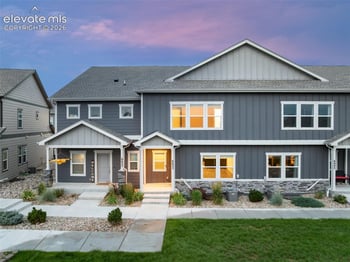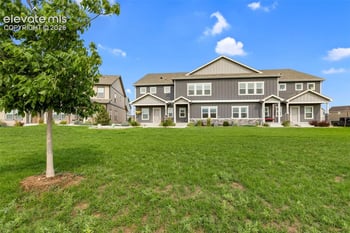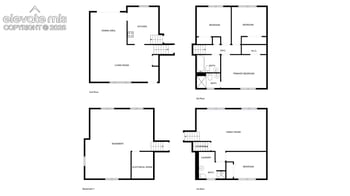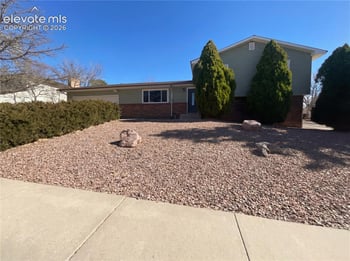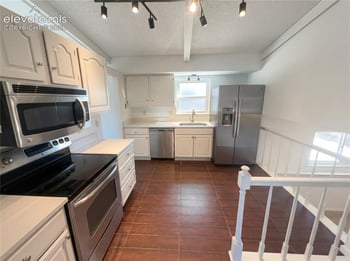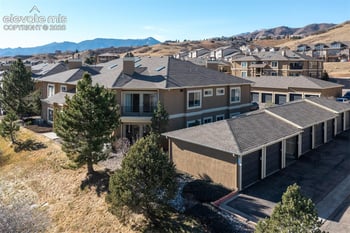
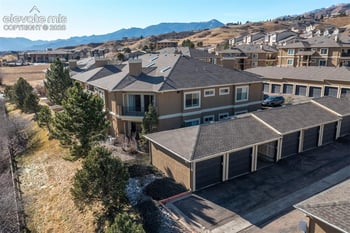
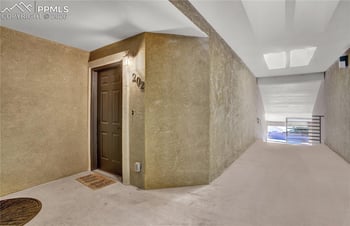
$315,000
Active
2
Beds
2
Baths
1111
Sqft
0.017
Acres
1965 Montura Vw #202, Colorado Springs, CO 80919
MLS#: 6913872
.jpg)


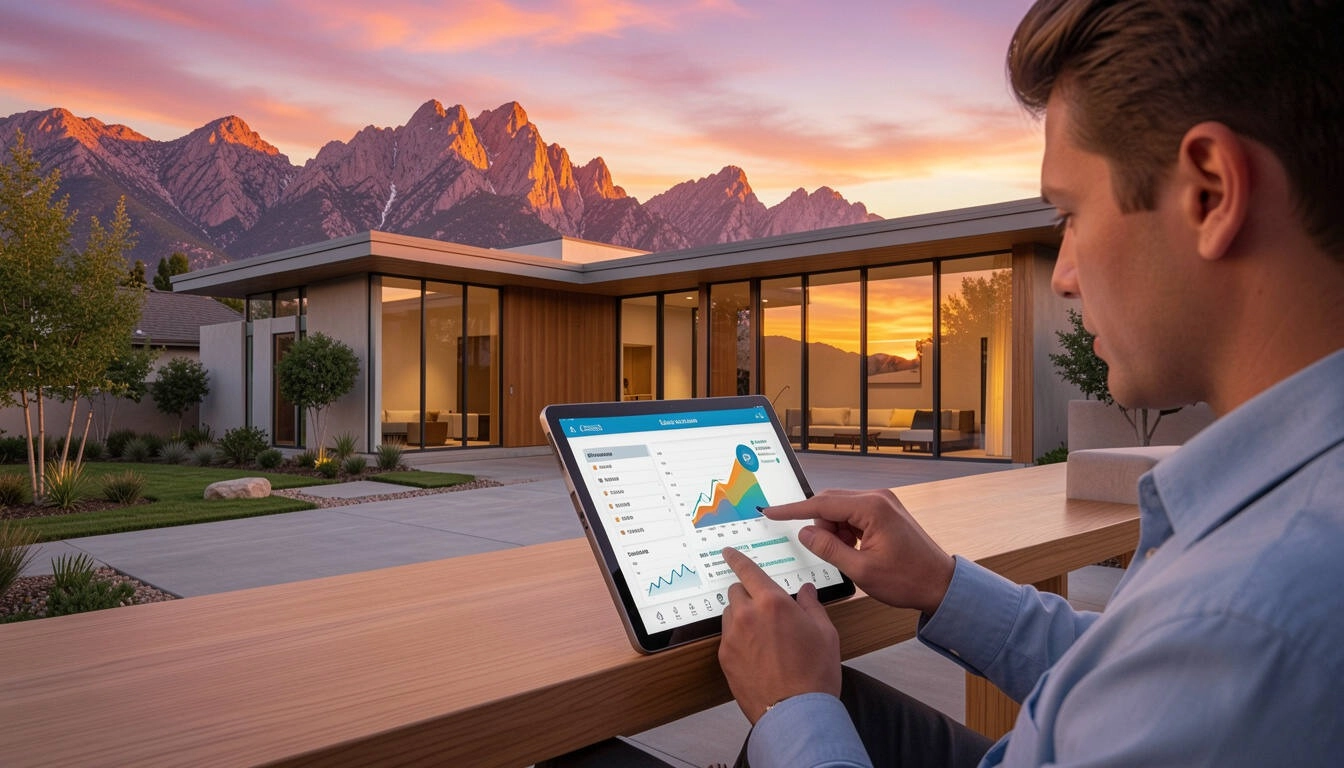
Colorado added residents faster than most states over the past decade, and the Front Range still has room to run: Douglas County, Weld County, and parts of Adams County are adding rooftops and jobs at a pace that keeps rental demand ahead of new supply. That combination — population growth outrunning housing starts — is the single best predictor of rental ROI, and it's still true across most of the Colorado corridor from Fort Collins to Colorado Springs in 2026.
Three things line up at once: net in-migration that has held positive for over a decade, an economy diversified across tech, aerospace, healthcare, and outdoor recreation rather than one dominant employer, and a state property tax structure that keeps carrying costs low relative to home value. None of those three factors promise a return on any single property, but together they explain why Colorado real estate has held value better than most Mountain West and Sunbelt markets through the last two rate cycles.
A single-family rental in Denver proper currently yields a 4% to 5% cap rate at today's purchase prices and rents. Aurora, Commerce City, and Thornton run 5% to 6.5%. Greeley and other Weld County submarkets, where entry prices remain well below the Denver metro, can clear 6% to 7% on the right property. Colorado Springs sits between Denver and Greeley on both price and yield, with steady demand tied to military and aerospace employment.
Colorado's effective property tax rate runs 0.5% to 0.7% of a home's assessed value annually, among the lowest in the country, which leaves more of gross rent as net profit compared with high-tax states like Texas or Illinois. Colorado also charges no separate real estate transfer tax at the state level in most jurisdictions, which lowers the cost of both buying and eventually selling an investment property.
Ready to invest in Colorado real estate in 2026? Call or text 303-955-4220. A live person answers. Not a robot, not a phone tree.
Douglas County, anchored by Castle Rock, Parker, and Highlands Ranch, has added jobs and rooftops steadily as companies expand along the C-470 and I-25 south corridor. Weld County, anchored by Greeley, Windsor, and Johnstown, has grown on energy, agriculture, and its position as the affordable edge of the Fort Collins-Denver corridor. Both counties combine population growth with home prices still meaningfully below Denver proper, which is exactly the setup that produces above-average appreciation and rental growth together.
Buying new construction before completion, sometimes called pre-sale or off-plan buying, works in Colorado's growth corridors because early-phase pricing in a new community runs 5% to 10% below what later phases sell for once amenities and landscaping are finished. The trade-off is a longer closing timeline and construction-schedule risk. Investors comparing Colorado pre-sale opportunities to master-planned communities abroad — including projects from international developers such as Gaia Living Real Estate — find the numbers work differently once property tax, financing, and contract law vary by jurisdiction; a Colorado closing runs through Colorado title and escrow rules, not the seller's home country's process.
A Colorado investor selling one rental and rolling the proceeds into another investment property within the IRS's identification and closing windows can defer capital gains tax through a 1031 exchange. That deferral, paired with Colorado's low carrying costs, is a common way local investors trade up from a single-family rental into a duplex or small multi-family property without a large tax hit along the way. A qualified intermediary and a tax professional should run the timeline before the first property goes under contract.
Denver metro rental vacancy has stayed in a healthy 5% to 7% range through 2025 and into 2026, tight enough to support rent growth without signaling oversupply. Growth suburbs with active new-construction pipelines can see vacancy tick higher temporarily as new units lease up, which is worth checking before underwriting a deal on a rent projection pulled from an older comp.
Conventional investment-property loans in Colorado require 15% to 25% down depending on unit count and credit profile, with rates running above owner-occupied rates by roughly half a point to a point. House hacking a duplex or triplex and living in one unit can open up owner-occupant financing with a smaller down payment; the Denver house hacking guide walks through that math. Cash buyers and 1031-exchange buyers skip financing contingencies entirely, which matters in a competitive multiple-offer situation on a well-priced rental.
Buy-and-hold suits an investor who wants steady cash flow and long-term appreciation and can carry a property through a slow rental season. House hacking suits a first-time investor who wants to reduce personal housing cost while building equity. Fix-and-flip suits an investor with construction experience or a reliable contractor relationship and enough capital reserve to carry renovation overruns; the Denver fix and flip guide covers what to check before buying with that strategy.
Rate volatility, new-construction supply outpacing absorption in a specific submarket, and mill-levy increases tied to taxing-district budgets are the three risks that break an ROI projection after closing most. Pull the current mill levy for the specific address, not the county average, and stress-test the mortgage payment one point above today's rate before signing a contract.
Highway widening on I-25 south of Denver, the Northwest Rail plans linking Longmont to Boulder and Denver, and continued expansion around Denver International Airport all add commuting capacity that opens new submarkets to investors earlier than headlines suggest. Watch the state and RTD capital project lists rather than waiting for a submarket to already show up in national growth rankings; by the time a market shows up on those lists, the best entry pricing is gone in most cases.
Out-of-state and international buyers close on Colorado property every month, but buying sight-unseen only works with a trusted local agent doing an in-person walkthrough, a full inspection, and video documentation before the offer goes in. Colorado's closing process runs through a title company and escrow, with a standard contract that spells out inspection and financing deadlines; a buyer unfamiliar with those deadlines should lean on a local agent and lender rather than trying to run the timeline alone from another state or country.
Start with the Colorado real estate investing guide, then run the numbers on a specific property with the rental property checklist before the first offer goes in.
The Kenna Real Estate Group tracks cap rates, absorption, and mill levies across the Front Range and can point an investor toward the submarket that matches their strategy, whether that's Douglas County appreciation or Weld County cash flow. Call or text 303-955-4220. A live person answers. Not a robot, not a phone tree. Or search every home for sale in Colorado to start comparing submarkets today.
Questions about any home in Colorado? Call or text 303-955-4220. A live person answers.
Yes, for the growth corridors specifically. Douglas County, Weld County, and parts of Adams County combine population growth ahead of new supply with home prices still below Denver proper.
Denver proper runs a 4% to 5% cap rate. Aurora, Commerce City, and Thornton run 5% to 6.5%. Greeley and other Weld County submarkets can clear 6% to 7% on the right property.
An effective property tax rate of 0.5% to 0.7% of assessed value, among the lowest in the country, plus no separate state-level real estate transfer tax in most jurisdictions.
An investor sells one investment property and rolls the proceeds into another within the IRS identification and closing windows to defer capital gains tax. A qualified intermediary has to be involved before the sale closes.
Early-phase pricing in a new community runs 5% to 10% below later-phase pricing once amenities are finished, but buyers take on construction-schedule risk and a longer closing timeline.
It has stayed in a healthy 5% to 7% range through 2025 and into 2026, tight enough to support rent growth without signaling oversupply.
Conventional investment loans require 15% to 25% down depending on unit count and credit profile, with rates running roughly half a point to a point above owner-occupied rates.
New-construction supply outpacing absorption in a specific submarket, rate volatility, and mill-levy increases tied to taxing-district budgets.