.jpg)


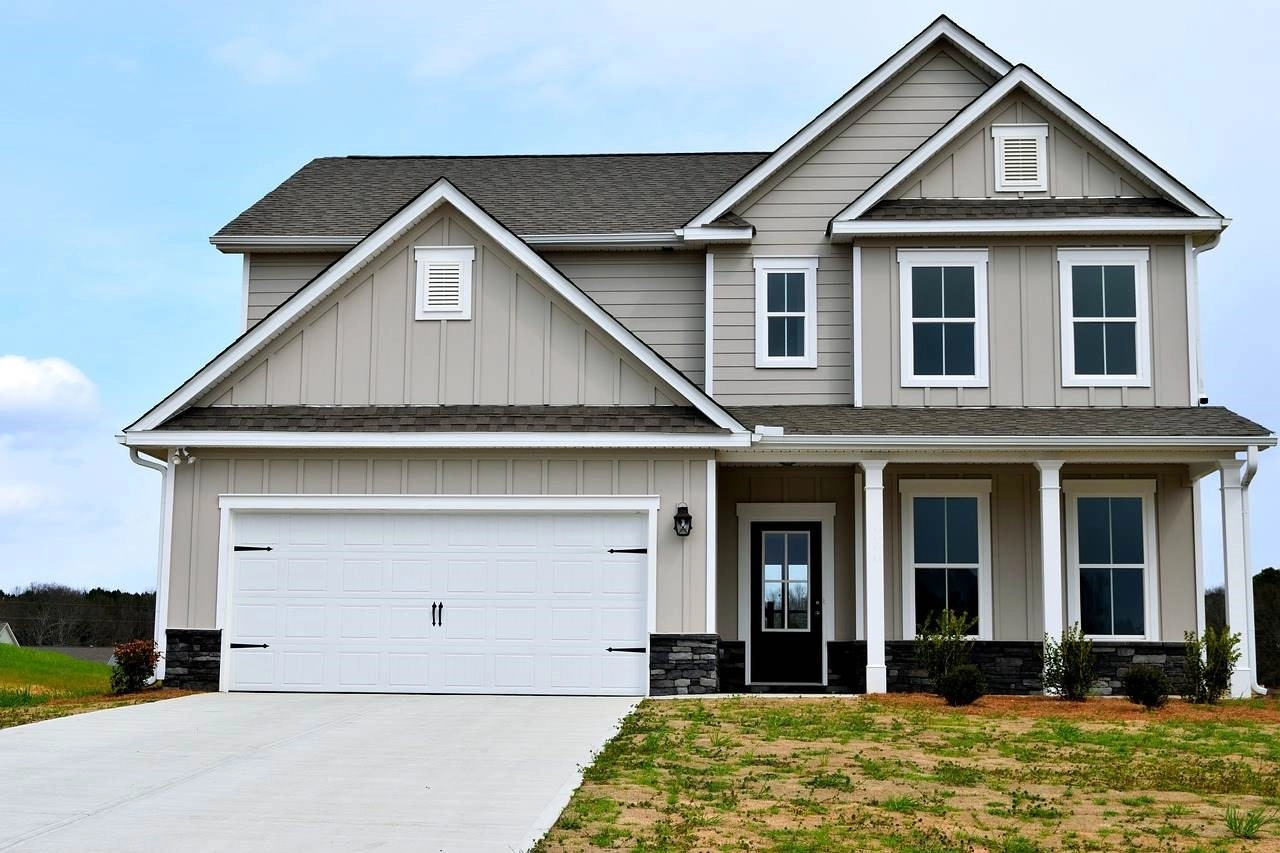
In the 2026 Colorado market, a homeowner holding a mortgage under 3 percent who needs more space wins by renovating. A homeowner who owns free and clear, or who bought after 2022, and who needs a different location, wins by selling. The market pays for renovation work when the finished home stays under the updated-comp ceiling for its street; it refuses to pay when the same subdivision already has a dozen updated homes for sale.
This post is about the choice between fixing the Denver metro home you have and selling it to buy another. The renovate-before-listing decision framework covers the other question, whether to update a home you have already decided to sell.
What the 2026 Denver metro market looks like for this decision
Three conditions define the market a Front Range owner faces this year. The Denver Metro Association of Realtors' monthly reports through 2025 and into 2026 show more active listings than at any point since the early 2010s. Homes sit longer, and buyers ask for inspection credits and price cuts on anything that needs work. Prices across the metro are flat to slightly down from the 2022 peak, with updated homes on quiet streets still selling in the first two weeks and dated homes sitting 45 to 90 days.
That mix means two things. A renovated home stands out more than it did in 2021, because buyers have choices and choose the finished one. And a dated home sells for less relative to its updated neighbor than it did in 2021, because nobody has to compete for it. The check DMAR before national headlines post reads the Denver report line by line.
The rate lock-in math
Owners who bought or refinanced in 2020 and 2021 hold loans under 3 percent. A move means a new loan at today's rate, which has been more than double that since 2023. The table uses a $400,000 balance and a 6.5 percent example rate; plug in the rate Mike Oswald quotes you for the real number.
| Loan | Rate | Principal and interest per month | Per year |
|---|---|---|---|
| $400,000 kept, 2020 refinance | 2.9 percent | $1,665 | $19,980 |
| $400,000 new loan on the next home | 6.5 percent (example) | $2,528 | $30,336 |
| Difference | $863 | $10,356 |
Over ten years the difference is more than $100,000 on the same balance, before the next home costs a dollar more than this one. That is why a $90,000 kitchen and primary bath remodel in Centennial, funded with a home equity line at $700 to $900 a month, costs about the same each month as moving to an identical house and loses none of the equity to selling costs. The lock-in argument disappears for owners who bought after 2022 at today's rates, and for owners with no mortgage.
When the Colorado market pays for the work
- The home is under the ceiling. Updated homes on the same street sell for $80,000 to $150,000 more than dated ones in most Denver, Lakewood and Littleton subdivisions. A $60,000 project that lifts the home toward that ceiling pays.
- The problem is finishes, not location. Buyers pay for a new kitchen. Nobody pays for a shorter commute that the house cannot offer.
- The updated comps sell fast. When renovated homes in the neighborhood close in under 14 days and dated ones sit 60, the market is paying for the work every week.
- The owner stays five years or more. Living in the remodel is the return; the resale bump is a bonus.
When the market refuses to pay
- The subdivision is flooded with updated inventory. Large 1990s and 2000s subdivisions in Highlands Ranch, Parker and Aurora's southeast side have dozens of same-floor-plan homes for sale at once. A remodel there competes with builder-grade updates already on the market and returns 50 to 65 percent.
- The project pushes past the ceiling. A $150,000 remodel on a $550,000 Thornton home creates a $700,000 house on a $600,000 street.
- The house needs a different layout, not a better one. Adding a bedroom to a 1,100 square foot Arvada ranch costs $250 to $400 per square foot and six to twelve months. Buying a four-bedroom costs less.
- The owner sells within two years. A remodel completed and sold inside two years returns 60 to 80 percent of cost. The exception is the cheap list on the preparing and adding value before selling page: paint, floors, lighting, roof.
Finding the neighborhood ceiling
The ceiling is the top sold price for an updated home of the same size and lot in the last six months, on the same street type, in the same subdivision. It is not the Zillow estimate and not the highest list price. The Kenna market reports show the sold ranges by city, and the hottest and coldest Denver ZIP codes page shows where updated homes still command a premium. The Kenna Real Estate Group runs the ceiling check for owners who are only thinking about renovating, with no listing attached, through the Smart Pricing Report.
Funding a renovation without losing the low rate
A cash-out refinance replaces the 2.9 percent loan with one at today's rate on the whole balance. That is the most expensive way to pay for a kitchen. A home equity line of credit or a fixed home equity loan sits behind the first mortgage and leaves it alone. Colorado owners who bought before 2020 hold six figures of equity after the 2020 to 2022 run-up, so most qualify for a line covering a $50,000 to $120,000 project.
Renovation loans (FHA 203k and conventional HomeStyle) roll the project into a purchase or a refinance and fit buyers more than owners. Mike Oswald, VP of Mortgage Lending at Rate, NMLS 261003, Equal Housing Lender, prices the home equity line, the fixed equity loan and the renovation loan side by side for Colorado owners. You are free to use any lender. The Colorado home financing guide explains each option, and the should you refinance your Colorado mortgage page runs the break-even.
Xcel Energy rebates and Colorado's state heat pump tax credit cut the cost of a furnace or air conditioner replacement folded into a remodel. Those items return money at sale because the buyer sees the utility bill.
What it costs to sell a Colorado home in 2026
- Brokerage commission, negotiated with the listing brokerage; since the 2024 rule changes, the buyer's agent fee is negotiated separately and offered or not by the seller.
- Owner's title insurance policy, paid by the seller by Front Range custom, $1,500 to $3,000 on a $600,000 sale.
- Colorado documentary fee, one cent per $100 of price: $60 on $600,000.
- Prorated property tax, paid in arrears in Colorado, so the seller credits the buyer for the months owned.
- Inspection credits and repairs, $3,000 to $15,000 on a dated home in the current market.
- Moving, $2,000 to $6,000 within the metro.
All in, selling costs 6 to 9 percent of the price. On a $600,000 Lakewood home that is $36,000 to $54,000 that a renovation never spends. The home equity and net proceeds guide shows the full net sheet.
What the next home costs
The buy side adds a down payment, closing costs of 2 to 3 percent, a higher rate on the whole balance, and in Douglas, Adams and Weld County new-build subdivisions, a metro district mill levy that pushes the tax bill 30 to 60 percent above an older Denver neighborhood. Owners moving up run the Colorado mortgage pre-approval first, then search every home for sale in Colorado to see what the budget buys before spending a dollar on drawings. The buying and selling at the same time in Colorado post covers the timing when the answer is move.
The five questions that settle it
- Is the current rate under 4 percent? Yes leans renovate.
- Does the house have the rooms, or only the wrong finishes? Wrong finishes leans renovate; missing rooms leans sell.
- Is the renovated value under the neighborhood ceiling? Yes leans renovate.
- Is the location still right for the next five years? No leans sell.
- Is the plan to stay five years or more? Yes leans renovate; under two years leans sell as-is or after the cheap list.
Four or five answers pointing one way settles it. A split decision means pricing both paths: the Kenna Real Estate Group builds the sell-side net sheet, and a contractor builds the renovation quote, and the owner compares the monthly number.
Where to go next
- Preparing and adding value before selling a Colorado home
- Colorado home financing guide
- Denver seller pricing strategy for 2026
- Front Range renovation costs room by room
- Explore homes for sale in Centennial
- Kenna Real Estate Group agents
Talk to the Kenna Real Estate Group
The Kenna Real Estate Group at Keller Williams DTC prices both paths for Front Range owners: the net sheet from a sale today and the ceiling the home reaches after the work, so the decision is a number and not a feeling. Call or text 303-955-4220. A live person answers. Not a robot, not a phone tree. When moving is the answer, search every home for sale in Colorado.
Homes for sale that match this post
Guides
Questions about any home in Colorado? Call or text 303-955-4220. A live person answers.