.jpg)


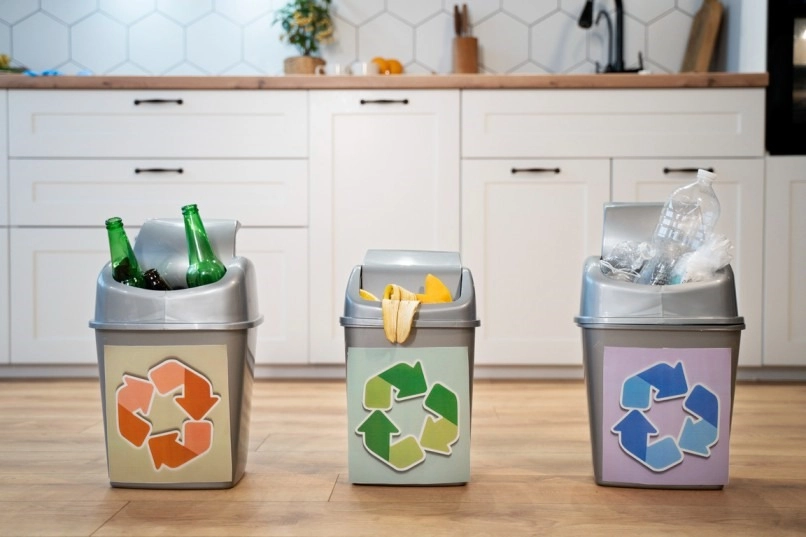
Hiring a professional waste disposal company to manage medical waste properly is always best. Each type of medical waste needs to be handled differently and disposed of with care to minimize health risks. This article teaches us the importance of adequate disposal of medical waste, including sharps and pharmaceutical waste.
Why Proper Disposal of Medical Waste Is Important
Medical waste contains toxic chemicals, dangerous microorganisms, and radioactive materials. Adequate medical waste disposal can help prevent the risk of infections, protect our environment, and maintain compliance with regulations that focus on the health and safety of the public, as well as healthcare workers. The consequences of inadequate disposal may vary depending upon the type of medical waste. Here are some reasons why proper disposal of medical waste is essential:
- Preventing Disease Transmission: Improper disposal of sharps poses the risk of injuries to healthcare workers, the general public, and waste handlers. If they come in contact with contaminated sharps, they might contract infectious diseases like HIV and hepatitis. Similarly, improperly disposing of medicines can lead to poisoning, misuse, and antibiotic resistance.
- Environmental Protection: Untreated medical waste can contaminate air, water, and soil, posing a risk to natural ecosystems. Adequate disposal methods can minimize the risk of environmental pollution associated with inadequate medical waste handling.
- Regulatory Compliance: Healthcare facilities are subject to laws and regulations regarding the handling and disposing medical waste. Failure to comply with these rules can lead to lawsuits, fines, and penalties.
- Cost Reduction: Improper waste disposal can lead to increased costs associated with fines. Adequate medical waste management can help you cut down such costs.
Organizations That Regulate Medical Waste Disposal
Federal agencies and state health departments typically manage medical waste management. Some of the federal agencies that regulate medical waste disposal include:
- Occupational Safety and Health Administration (OSHA)
- Food and Drug Administration (FDA)
- Centers for Disease Control and Prevention (CDC)
These agencies provide recommendations for medical waste handling and disposal practices.
Tips for Sharps Disposal
Injection needles, lancets, broken glass, scalpels, and other sharp objects that can pierce skin are called “sharps.” Sharps, if mishandled, can potentially transmit infectious diseases. Here are some tips you can follow for proper sharps disposal.
Have a sharps container in your house or facility.
Immediately after use, sharps should be disposed of in FDA-approved sharps disposal containers, which can be easily purchased from pharmacies, medical supply companies, healthcare providers, and online. FDA-cleared sharps disposal containers are made from heavy-duty plastic that is leak-proof and puncture-resistant. Their lids are tight-fitting so that the sharps do not come out. They often come marked with a line indicating when the container should be considered complete.
Properly label your sharps container using a “hazardous waste” tag to warn of biohazardous waste inside. Label it “SHARPS” and keep it upright. When the container is ¾ complete, follow community guidelines for its proper disposal. Homeowners can bring their properly sealed sharps containers to a community drop-off location, but healthcare facilities should contact medical waste disposal services to handle sharps waste properly.
Ready to find your dream home in Colorado?
Let us help you. Call or Text Kenna Real Estate Group at 303-955-4220 to get personalized assistance from our expert real estate agents. Find out what your home is worth in today's market.
Never put sharps in a recycling bin.
Sharps are biohazardous waste that may be contaminated with blood, so they cannot be recycled. Therefore, never put any sharps container into the recycling bin.
Never put sharps in a medication drop box.
Many healthcare facilities and drug stores offer drop boxes so that people can responsibly dispose of their unused medicines. Drop boxes are a great way of handling pharmaceutical waste, but they must not be used for sharps disposal. These drop boxes are not designed to contain sharps, and disposing of sharp objects poses the risk of potential disease transmission.
Tips for Pharmaceutical Waste Disposal
Pharmaceutical waste comprises expired, unused, or contaminated pharmaceuticals. Here are some tips for disposing of pharmaceutical waste.
Find a drop-off location in your community.
Instead of giving unused medicine to anybody else, it is preferred to throw it away. Many communities have dedicated centers for collecting unused and unwanted drugs. Many pharmacies also take them. On the DEA’s website, you can learn about places in the US near you where you can drop off your prescription drugs.
Do not flush drugs down the toilet.
Avoid flushing drugs into the toilet unless they are declared safe by the FDA. Sewage systems cannot break down certain drugs, so unused medicines get into the environment, where they have detrimental effects.
Do not throw medications in the garbage.
Medications should not be haphazardly thrown into the regular trash since they can be misused. In the absence of a drop-off option, waste management experts suggest that homeowners mix unused medication with coffee grounds or cat litter. This makes them less desirable for other living organisms. The mix is then put into sealed containers, which are disposed of as per community guidelines. Do not forget to remove prescription labels from the medicines before discarding them.
How Can a Professional Waste Management Company Help With Medical Waste Disposal?
Hiring a professional waste disposal company to manage medical waste properly is always best. Here are some reasons why you should contact professionals for this purpose:
- Specialized containers: Medical waste collection companies provide specialized, FDA-cleared containers for disposing of different types of medical waste. This ensures proper handling and disposal of medical waste with reduced risk of contamination or transmission.
- Safe transportation: They provide trained personnel and special vehicles to safely transfer waste, minimizing the risk of exposure to the public and healthcare workers.
- Compliance with regulations: They follow local and national medical waste regulations, ensuring compliance and helping you avoid potential legal issues.
Consider Safe and Adequate Disposal of Medical Waste!
Adequate handling and disposal of medical waste is essential for protecting our environment, reducing the risk of disease transmission, and staying compliant with federal and state waste disposal regulations. Properly dispose of pharmaceutical and sharps waste using specialized, FDA-cleared containers. Contact a professional waste disposal company for safe and adequate medical waste collection and handling!
Related Articles
- The Cost Of Junk Removal In Honolulu, HI: What To Expect And How To Budget
- How Much Does Shed Removal Cost?
- Disposing of old kitchen appliances