New - 2 Hours Ago
.jpg)


In Denver, city crews haul trash and recycling for single-family homes; in most other Front Range cities, a private hauler under city contract does the work, and in unincorporated county areas a homeowner contracts directly with a hauler. Where the trash actually ends up, and what a homeowner is responsible for setting up, changes by city, county, and sometimes by HOA. Here is the practical version for a Colorado buyer, seller, or new homeowner.
Trash collected across the metro goes to a regional Landfills; the largest serving the area is the Denver Arapahoe Disposal Site (DADS) southeast of the city. A household moving from a market with a different trash service setup, such as Fort Worth's, should expect Front Range pickup schedules and cart rules to work differently.
Denver runs its own municipal trash and recycling service for single-family and small multi-family homes. Aurora, Lakewood, Littleton, and most other Front Range cities contract with a private hauler, and homes in unincorporated county areas, common in parts of Douglas and Jefferson County, arrange service directly with a private company of their choice.
Denver Solid Waste Management runs the city's trash, recycling, and compost pickup, with residents assigned a set collection day and cart size based on their address. New Denver residents set up service, or transfer it into their name, through the city's utility billing system at move-in.
Denver uses a pay-as-you-throw model with four trash cart sizes; a smaller cart costs less per month than a larger one, while recycling and compost pickup are included at every tier. Choosing the smallest cart that fits a household's actual output is the direct way to lower the monthly bill.
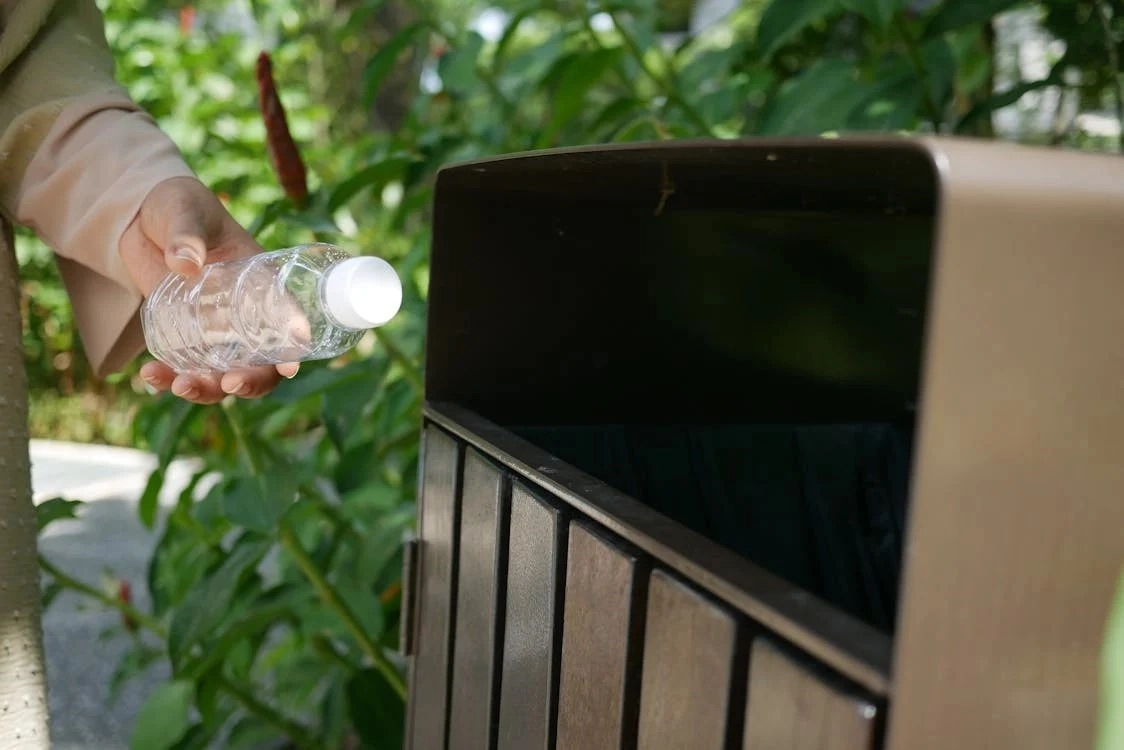
Recycling goes to a materials recovery facility where machines and workers sort paper, cardboard, aluminum, and plastics by type, bale each material, and sell it to manufacturers that turn it into new products. Contamination, food waste or plastic bags mixed into the bin, is the top reason a load gets rejected and sent to the landfill instead.
Denver's compost program collects food scraps, yard waste, and compostable paper in a green cart, turning it into finished compost sold back to residents and landscapers. It is included in the city's base trash service fee rather than billed separately, and it is one of the fastest ways to shrink a household's landfill-bound trash volume.
Yes, in most Front Range HOA communities the governing documents set rules on cart storage (screened from street view), pickup-day timing, and sometimes the hauler itself when the HOA contracts service for the whole neighborhood. Check the HOA's covenants before buying if trash cart storage rules matter to daily life on the property.
Mountain and foothills communities across Colorado, including parts of Boulder, Jefferson, and Clear Creek counties, require certified bear-resistant carts or enclosures by local ordinance because unsecured trash draws wildlife into residential areas. A buyer looking at a foothills property should confirm the local bear-resistant cart rule before move-in, since retrofitting a non-compliant cart is an added cost.
In Denver, set up city service through the utility billing portal using the closing date as the start date. In cities with a private hauler, contact the assigned provider directly, and in unincorporated county areas, a buyer's agent or title company can point to the hauler the previous owner used in most cases, though a new owner is free to choose a different one and compare rates before the first bill arrives.
Standard trash and recycling carts do not accept construction debris; most cities require a separate roll-off dumpster permit for a remodel or teardown, and Denver requires a permit for a dumpster placed in the public right-of-way. Framing lumber, drywall, and roofing debris go to a construction and demolition recycling facility in most Front Range counties rather than a standard landfill, and a contractor's disposal plan is worth asking about before signing a remodel contract.
Paint, motor oil, pesticides, and batteries go to a household hazardous waste facility, not the regular trash cart; the metro area runs several drop-off sites and periodic collection events by county. Improperly disposed hazardous waste is one of the more common issues that surfaces during a pre-listing inspection of a garage or shed.
Yes. Denver bills through its own municipal utility system with pay-as-you-throw pricing; Aurora and Lakewood contract with private haulers at a set monthly rate; and unincorporated Jefferson County leaves the choice of hauler to the homeowner. A buyer moving between these areas should expect a different signup process and a different monthly bill.
Denver residents schedule a limited number of free bulky item pickups per year through the city; other cities and private haulers charge a per-item fee that runs $25 to $75 depending on size. Scheduling pickup ahead of a move-out date avoids items sitting curbside past the pickup window, which some HOAs cite as a violation.
Indirectly, yes: a yard with visible trash storage issues, an unscreened cart, or evidence of illegal dumping reads as deferred maintenance to a buyer and can slow a sale. Screening trash storage and confirming active service before listing is a small, low-cost step in preparing a home to sell. Buyers touring a Front Range home during a showing notice an overflowing cart or open trash bags near the alley or curb, and a listing agent who catches it before the first showing avoids that first impression entirely.
Confirm the assigned collection day, the correct placement spot (curb, alley, or a designated enclosure in some HOA communities), and whether recycling and compost run on the same day or a staggered schedule. Getting this wrong in the first two weeks after closing is common enough that most title companies and closing agents on the Front Range hand new owners a short utility checklist, including trash setup, at the closing table.
The Kenna Real Estate Group walks new Front Range homeowners through utility and trash service setup as part of every closing, and flags waste storage issues during listing prep before a buyer ever sees them. Call or text 303-955-4220. A live person answers. Not a robot, not a phone tree. Start your search at search every home for sale in Colorado.
Questions about any home in Colorado? Call or text 303-955-4220. A live person answers.
It goes to a regional landfill, most commonly the Denver Arapahoe Disposal Site (DADS) southeast of the city.
No. A new owner must set up or transfer city trash service through Denver's utility billing system using the closing date as the start date.
Yes, Denver uses a pay-as-you-throw model with four cart sizes; smaller carts cost less per month, and recycling and compost are included at every tier.
Several mountain and foothills counties, including parts of Boulder, Jefferson, and Clear Creek, require certified bear-resistant carts or enclosures by local ordinance.
Only if it is clean; a greasy or food-stained box contaminates the load and gets pulled at the sorting facility along with everything near it.
The homeowner selects and contracts directly with a private hauler; there is no single city-run service in unincorporated areas.
Standard trash carts do not accept construction debris; a permitted roll-off dumpster is required for remodel or teardown waste in most Front Range cities.
Most Front Range HOAs set rules on cart screening, storage, and pickup-day timing, and some contract a single hauler for the entire community.